
8 Things You Should Know About Digestive Health
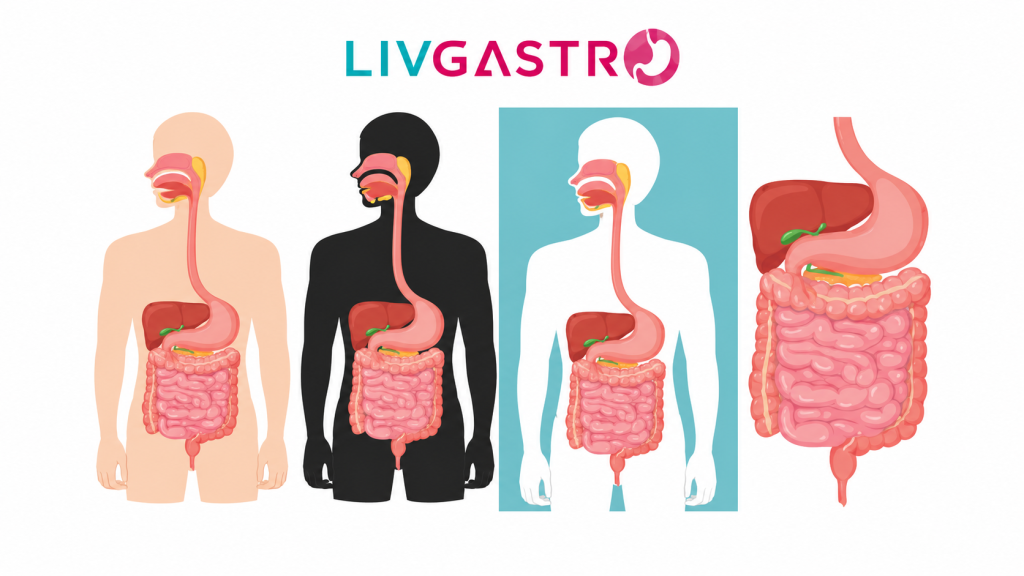
Gastroenterology specialists in Kolkata are medical marvels, medical specialists trained to diagnose and treat conditions affecting the digestive system. This includes the stomach, small and large intestines (colon), rectum, liver, pancreas, gallbladder, and bile ducts. They provide care for a wide range of issues, including abdominal pain, acid reflux (GERD), ulcers, irritable bowel syndrome (IBS), Crohn’s disease, colitis, celiac disease, hepatitis B and C, pancreatitis, constipation, and chronic diarrhea. If you’re searching for a gastroenterologist near me in Kolkata, it’s important to choose someone with the right expertise to accurately diagnose and manage your condition with personalized care. These specialists play a crucial role in maintaining your digestive health. From performing colon cancer screenings to identifying early signs of gastrointestinal diseases, their work helps detect and manage problems before they become more serious. Gastroenterologists also offer practical guidance on diet and lifestyle changes to support a healthier gut. Visiting a GI doctor can feel intimidating, but it doesn’t have to be. Here are a few things your gastroenterologist wants you to know before your next appointment. 1. A Gastroenterologist Wishes to Help You Feel Better Gastrointestinal problems can change a lot of things, such as how much energy you have and how sure you are of yourself. Gastroenterologists are here to find out what’s causing your pain and come up with a treatment plan that not only helps but also makes your life better. Your comfort is always the priority. 2. No Symptom Is Too Small Digestive issues often present in subtle ways, and sometimes even serious conditions can start with mild symptoms. That’s why no concern is too small to discuss. A qualified gastroenterology specialist in Kolkata will take every symptom seriously because even minor digestive troubles can disrupt your routine, comfort, and overall well-being. 3. We’re Experts in All Things Digestive Gastroenterologists undergo years of specialized training to diagnose and treat everything from common stomach issues to complex conditions like Crohn’s disease or ulcerative colitis. Whether it’s a minor concern or a chronic disorder, you can trust that you are in capable, experienced hands. 4. Treatment Isn’t One-Size-Fits-All There’s often more than one way to manage a digestive issue. That’s why we tailor treatment plans to fit your lifestyle, preferences, and medical needs. Together, we’ll find an approach that’s not only effective but also practical for your daily life. 5. We’re Here to Support Your Health Goals The digestive system plays a vital role in how your body absorbs nutrients. A skilled gastroenterologist in Kolkata is well-equipped to guide you on diet and nutrition. We can create a personalized plan to help you live healthier, whether you are trying to manage a condition, boost vitamin levels, or adjust your weight. Nutritional advice is often a key part of our treatment approach. 6. We Understand Food Intolerances—and How to Manage Them If you suspect a food intolerance, like gluten or lactose, we can help identify the cause and guide you through the next steps. From ensuring proper nutrition to offering practical tips for Grocery shopping and meal planning, we will help you avoid symptoms and feel confident in your food choices. 7. Nothing You Say Will Surprise Us Gastroenterologists have years of experience handling a wide range of digestive issues—nothing is too awkward or embarrassing. Whether it’s rectal pain, bleeding, or changes in bowel habits, your honesty aids us in identifying the underlying issue and delivering optimal care. 8. Screenings Can Be Lifesaving Early identification of colon cancer can lead to much better outcomes. While there are several ways to screen for abnormalities, colonoscopy remains the most reliable method, allowing us to detect and often treat issues in a single procedure. Talk to your GI doctor about when to begin regular screenings. Prioritize Your Gut Health, Get Started Today We at LivGastro are dedicated to delivering world-class gastrointestinal care, combining expert clinical experience with the latest advancements in digestive health. Our team is actively involved in continuous research to make sure patients benefit from the most up-to-date and effective GI treatments available. Whether you’re managing a chronic condition or seeking answers to new symptoms, we’re here to help with compassionate, personalized care. If you’re searching for a trusted gastroenterologist in Kolkata near me, our specialists are here to support you. To schedule an appointment with our experienced gastroenterologist, contact the office closest to you or use our easy and convenient online request form. Your digestive health matters—and you can count on us for continuous support from start to finish.
Belching: Causes, Symptoms & Diagnosis
Belching involves expulsion of gas from the esophagus (and stomach) through the mouth (after a meal), resulting in the distinctive resonance known as Burp! Among certain ethnic groups, dinner receptions are not considered gratifying unless the guests belch loudly while leaving the table. Nevertheless, we all belch after consuming a hearty meal, which provides some comfort and satisfaction as the expelled gas brings relief to the distended stomach somewhat filled by swallowed air. However, too much or excessive belching can be a cause of concern needing medical attention by a gastroenterologist, such as Dr. V.K. Rai, since there are several medical conditions that may cause this wacky malady, calling for prompt diagnosis and treatment, if necessary. Medical Conditions Causing Excessive Burping Hiatal Hernia – A hiatal hernia that causes excessive burping occurs if and when the upper part of a person’s stomach pushes up through the diaphragm, reaching the chest region. Normally, the stomach remains below the diaphragm, but in people with a hiatal hernia, a part of the stomach pushes up through the diaphragm, while the opening it moves through is called a hiatus, and hence the name. However, when part of the stomach pushes up through the diaphragm, it remains at the same level as the lungs. But when the pressure drops in the chest cavity due to muscle movement (as a person breathes in), the same effect happens in this part of the stomach, pulling air in. On breathing out, the chest pressure changes, the lungs expel the air, but the bizarrely located stomach does not want to let go, thus making it uncomfortable for the person who feels the urge to belch for relief. Hiatal hernia may be diagnosed by a Gastroenterologist such as Dr. V.K. Rai, MD, in the following ways… ■ Barium X-ray – The gastroenterologist may have you drink a liquid with barium in it before taking an X-ray. This X-ray provides a clear silhouette of your upper digestive tract. The image allows the gastroenterologist to see the location of your stomach. If it’s protruding through your diaphragm, you have a hiatal hernia. ■ Endoscopy – The gastroenterologist may slide a thin tube down your throat and pass it down to your esophagus and stomach. He/she will then be able to see if your stomach is pushing through your diaphragm. Any strangulation or obstruction will also be visible. GERD – Acid reflux or gastroesophageal reflux disease (GERD) can oftentimes cause excessive belching by promoting increased swallowing. Chronic belching may be related to inflammation of the stomach lining (gastritis) or to an infection with Helicobacter pylori, the bacterium responsible for some stomach ulcers. In these cases, the belching is accompanied by other symptoms, such as heartburn or abdominal pain. Diagnosing GERD involves three basic tests: (a) Upper Endoscopy, (b) Esophageal pH monitoring, and (c) Manometry, to be conducted by a gastroenterologist, such as Dr. V.K. Rai, MD for the following reasons. ■ Upper Endoscopy: An upper endoscopy can be used to determine the cause of heartburn and is often performed as an outpatient procedure. ■ Esophageal pH Test: The esophageal pH test is commonly used to help confirm the diagnosis of GERD or to identify the cause of various symptoms. ■ Esophageal Manometry: Esophageal manometry is an outpatient test that can identify problems with movement and pressure in the esophagus that may lead to problems like heartburn. Swallowing air – Bad or harmful habits cause excessive belching, too. These include overindulgence in drinking carbonated beverages, particularly when drinking with a ‘straw’. Also, people who eat and drink quickly, or when they are on the go. Chain smokers fall in this category in no uncertain way. Indigestion – Indigestion and heartburn can cause excessive belching, while the latter can stem from acid reflux, whether as a symptom of peptic ulcer, or a sign that last night’s spicy meal did not agree with your stomach lining. When acid moves back up the esophagus from the stomach, as in GERD, people often swallow frequently as a way to relieve some of the discomfort and then have to belch. Continuous swallowing causes more air to enter the system, which in turn causes more belching. Gastroparesis – A medical condition called gastroparesis can lead to excessive belching. Gastroparesis, sometimes referred to as delayed gastric emptying, is a condition in which food remains in the stomach longer than it should because the stomach’s muscles become weak or are damaged. Weak stomach muscles become unable to push food to the next stage of digestion. Undigested food that remains in the stomach can cause nausea, vomiting, and excessive burping, too. Postscript Belching is a normal human phenomenon associated with the ingestion of food and starts from the very primary stage, i.e., with newborn babies. However, when it gets beyond control or becomes unmanageably excessive, one needs medical intervention, especially by a senior Gastroenterologist like Dr. V.K. Rai.
Ultimate Guide to Colitis: Types, Causes, Symptoms & Treatment
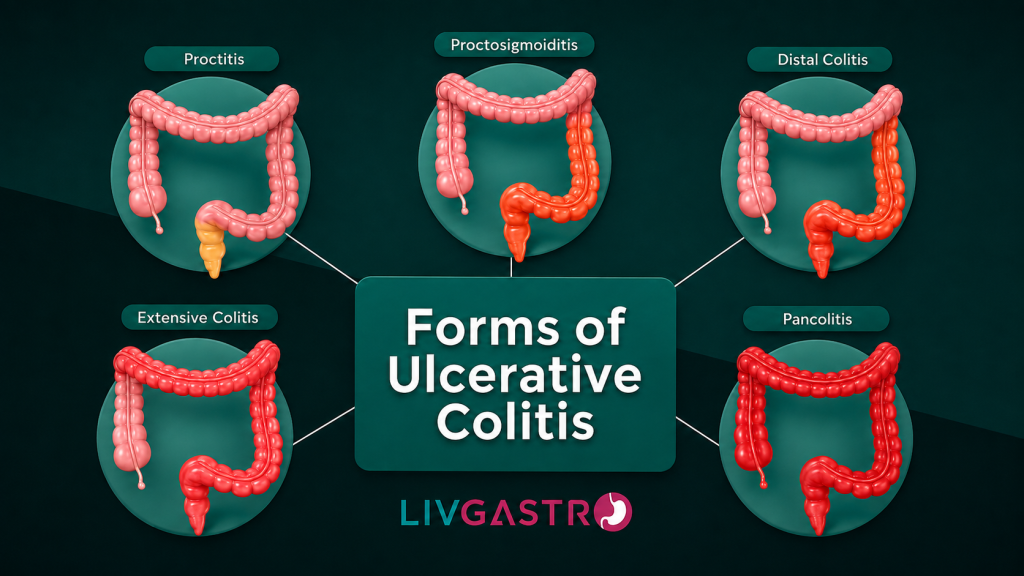
Do you often complain of bloating and diarrhoea? Has discomfort and pain in your abdomen become commonplace? Chances are, you are suffering from colitis. It is the inflammation of your large intestine or colon, as many people recognise. However, determining whether it is colitis for real requires understanding its various types, symptoms, causes, and treatments. So, without further ado, let’s begin. Types of Colitis and Their Causes Colitis is of various types and is provoked due to many causes. While it’s easy to treat some, for instance, those occurring from a bacterial infection like food poisoning, others are serious and take a lot of time to go away. Beware of the severe cases! They may threaten your colon and affect your quality of life. Let us take a look at each of them and examine their causes. Pseudomembranous colitis (PC) PC is triggered when the C. difficile overgrows, and the ‘good’ bacteria fail to balance it. Consequently, C. diff takes over, releases toxins, and causes inflammation. Microscopic colitis It is mostly people aged 50 and above, smokers, and those who have suffered from an autoimmune disease who are diagnosed with microscopic colitis. The medical condition causes abdominal bloating, pain, and chronic watery diarrhoea. Ulcerative colitis (UC) It is the most common type of colitis, where patients have to put up with bleeding ulcers and inflammation. The disease occurs in the rectum but gradually spreads to the colon. UC happens when the bacteria in the digestive tract cause the immune system to overreact. Ischemic colitis (IC) It is usually blood clots that trigger IC. As the blood flow is cut off to the colon, blockage occurs. The condition recurs when fatty deposits build up in blood vessels. People having underlying conditions like diabetes, trauma or injury, blockage, colon cancer, and a history of dehydration and heart failure develop IC more often. Symptoms of Colitis It can be any of the following: Fever and chills Abdominal pain Diarrhoea Bloating in the abdomen Vomiting Unexpected weight loss Presence of blood in stool Diagnosis of Colitis When you visit a doctor, the physician may enquire about the frequency of symptoms and when they first occurred, followed by a thorough physical examination. The medical practitioner may also prescribe diagnostic tests, and a few to name would be – Ultrasound Stool samples Colonoscopy Abdominal imaging, such as CT scans or MRI Sigmoidoscopy Barium enema or an X-ray of the colon Treatment of Colitis The treatment of this medical condition depends a lot on the type and cause. It mostly includes: Diet – A wholesome diet low in fibre and easy to digest cures acute colitis. Avoiding certain foods that cause colitis flare-ups is also a great way to tackle the medical condition. Surgery – Surgery is prescribed to people diagnosed with IBD, necrotising enterocolitis, and ischemic colitis. However, it may or may not cure the conditions. It can only stop bleeding, remove a blockage, or repair a perforation. Medications – Medications like immune system suppressors, antibiotics, antidiarrheal drugs, pain killers, and antispasmodic drugs can help manage colitis symptoms. Postscript: Detection is critical for recovery from colitis. Early diagnosis can curb serious complications. Therefore, whenever you are not feeling well and believe it has something to do with your stomach, talk to a doctor.
Best Hospital for Hemorrhoid Ligation in Kolkata
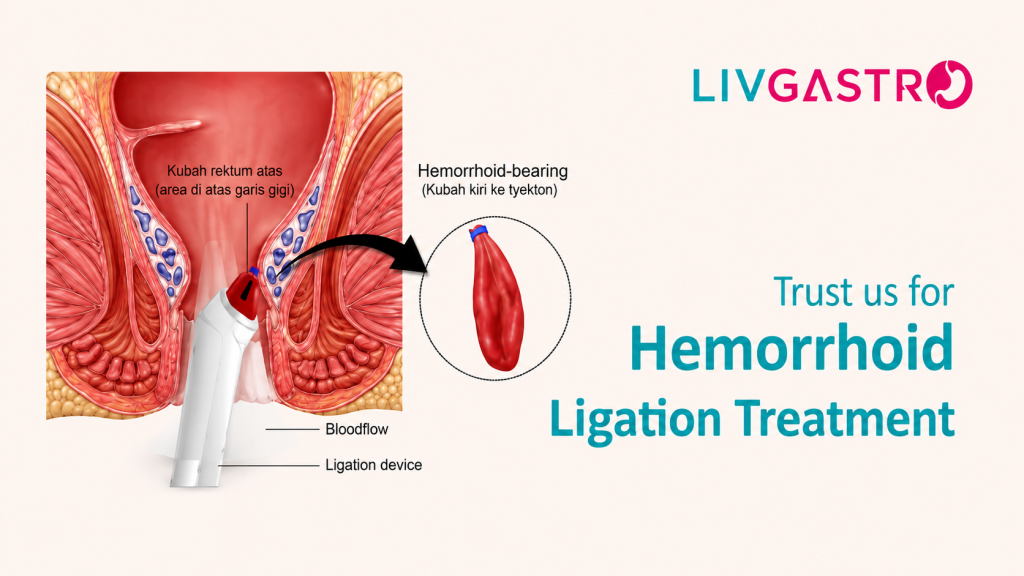
Dealing with persistent discomfort and pain in your lower digestive tract can significantly impact your daily life. At our gastroenterology hospital in Kolkata, LivGastro, we understand the distress that conditions like hemorrhoids can cause, and we are committed to providing you with effective and compassionate care. As a leading gastroenterology hospital in Kolkata, our team of experienced specialists utilizes advanced techniques like Hemorrhoid Ligation to bring you lasting relief. We believe in a patient-centered approach, ensuring you feel comfortable and well-informed throughout your journey with us. Our dedicated team includes top stomach pain doctors and highly skilled gastrology doctors in Kolkata, all working collaboratively to diagnose and treat various gastrointestinal issues. We recognize that each patient’s experience is unique, and we take the time to listen to your concerns and develop a personalized treatment plan tailored to your needs. Whether you’re experiencing occasional discomfort or chronic pain, our goal is to provide you with the highest quality care in a comfortable and supportive environment. Here’s why so many patients trust us for their gastrointestinal problems. What is Hemorrhoid Ligation and Why Is It Needed? A little rubber band is wrapped around the base of a haemorrhoid as part of a non-surgical technique called haemorrhoid ligation. It’s a highly effective treatment for internal hemorrhoids that have not responded to conservative management such as lifestyle changes, topical creams, or dietary adjustments. Haemorrhoids can cause discomfort, irritation, and even rectal bleeding if they are not addressed. In advanced cases, they may prolapse outside the anus or lead to complications like infection. This is when visiting our top stomach pain doctors in Eastern Metropolitan Bypass, Kolkata, for hemorrhoid ligation becomes a necessity. At LivGastro, we focus on providing this treatment as part of a broader care plan that addresses the root cause of your symptoms. When Does Our Gastroenterology Hospital in Kolkata Recommend Hemorrhoid Ligation? At LivGastro, we follow a comprehensive diagnostic approach before recommending any procedure. Hemorrhoid ligation is typically advised in the following situations: ■ Persistent rectal bleeding ■ Hemorrhoids that emerge with bowel motions and then naturally retreat ■ Failed response to home or over-the-counter treatments ■ Significant discomfort or pain affecting quality of life Our gastrology doctor in Kolkata will usually conduct a thorough examination, which may include anoscopy, sigmoidoscopy, or even specialized tests like esophageal and rectal manometry, which we proudly offer at LivGastro. These diagnostic tools help us assess the underlying pressure and muscle function in your rectal area, ensuring we provide the most accurate and personalized treatment. What to Expect During the Hemorrhoid Ligation Procedure? The procedure itself is quick, generally lasting only a few minutes, and can often be performed right in our outpatient clinic. Here’s how it works: ■ Initial Consultation We start with a detailed discussion of your symptoms, followed by a physical examination and possibly diagnostic tests to determine the stage of hemorrhoids. ■ Preparation The procedure requires no major preparation, though we may advise you to fast for a few hours beforehand and perform an enema. ■ The Ligation The outpatient procedure involves wrapping a rubber band around the base of the haemorrhoid using a ligator instrument. Within a week, the haemorrhoid will shrink and fall off as a result of this band’s restriction of blood flow. ■ Post-Procedure Monitoring Patients usually go home the same day because it’s a minimally invasive procedure. Within a day, the majority of patients even return to their regular activities. At LivGastro, we prioritize patient comfort and safety. Our experienced team of gastro specialists and stomach pain doctors in Eastern Metropolitan Bypass, Kolkata, ensures that the procedure is done with minimal discomfort, and we provide detailed post-procedure guidance to help you recover quickly. Know more about our diagnostic solutions in our clinics. Recovery and Aftercare of Hemorrhoid Ligation Recovery from hemorrhoid ligation is typically fast and straightforward. You may experience mild discomfort, a feeling of fullness in the rectum, or minor bleeding for a few days. Here’s how our gastroenterology hospital in Kolkata can help you through recovery: ■ Pain management: Sitz baths or over-the-counter painkillers can help ■ Dietary changes: We recommend a high-fiber diet and plenty of fluids to soften stools and avoid straining. ■ Follow-up care: Our team will schedule a follow-up visit to ensure the hemorrhoids have resolved and to check for any recurrence. Our doctors provide detailed post-procedure guidelines and remain available for any follow-up care needed. Trust Our Gastroenterology Hospital in Kolkata for Hemorrhoid Ligation Treatment Tired of enduring hemorrhoids’ pain and discomfort? If so, it’s time to get expert assistance. At LivGastro, we combine advanced medical care with compassionate support to ensure you feel better, faster. Don’t let embarrassment or fear keep you from living a healthier, more comfortable life. Book an appointment with an experienced doctor at our gastroenterology hospital in Kolkata today. Let LivGastro be your partner in digestive health!
Warning Signs You Should See a Gastroenterologist in Kolkata
Keeping your digestive system in an optimal condition is easier said than done. The rigors of fast-paced modern lives and scarce opportunities for meal prep create and compound issues. If you are facing any recurring abdominal pain, ignoring it can backfire badly. Getting a check-up done without delay is essential to prevent major health conditions. Your endless search for the best gastroenterologist near me needs a tangible solution. Getting help from licensed gastro specialists should be the top priority. Reputed Gastroenterologist Clinic in Kolkata LivGastro provides a comprehensive selection of specialized treatments for a whole host of ailments. We are here to help, with our team of highly qualified doctors under the capable guidance of Dr. Vijay Rai. Rely on us for effective treatments for fatty liver, peptic ulcer, bile duct stone, diarrhea, IBD, pancreatitis, and other conditions. Get in touch to seek a consultation. So, how often should you see a gastroenterologist? What are the telltale signs that should not be ignored? Read on to gain a clear idea. Reputed Gastroenterologist Clinic in Kolkata How do you know when you must see the best gastroenterologist in Kolkata? Read on to explore some of the most convincing signs and symptoms below. ■ Persistent heartburn and acid reflux—Severe heartburn creates one of the most uncomfortable feelings within one’s throat and chest. The root cause of it can be GERD or gastroesophageal reflux disease. Acid reflux is another condition that many individuals tend to suffer from. This can be a result of underlying issues such as Barrett’s esophagus or osteophagitis. If you are facing any of these symptoms, seeing a gastroenterologist is quite necessary. ■ Abdominal Pain That Can’t Be Explained— Having stomach aches once in a long while is normal. But if the pain lasts for a long time or is very bad, you should not ignore it. It could be a sign of you having ulcers, gallbladder disease, irritable bowel syndrome (IBS), or even inflammatory bowel disease (IBD). Visit a top gastroenterologist in Kolkata right away if you also feel sick frequently, are vomiting, have a fever, or are losing weight. ■ Sudden Bowel Pattern Changes—Sudden and recurring diarrhea and constipation are signs of digestive issues. Any radical changes in your bowel movement patterns are a definite cause for concern. These are indicators for conditions like ulcerative colitis, IBS, Crohn’s disease, or colorectal cancer. If these issues continue, it is time to see a top gastroenterologist in Kolkata. Our clinic has state-of-the-art diagnostic treatment equipment for assessing all gastro-related issues. ■ Swallowing Problems—If you are having trouble swallowing, you might be suffering from dysphagia. It is caused by factors such as esophageal strictures, acid reflux, or esophageal cancer. Difficulty in swallowing may be accompanied by signs such as frequent choking, swallowing pain, or the feeling that food is stuck in your throat. If you are facing all this, do not delay in searching for the best gastroenterologist near me. Doing so can potentially hinder more serious issues in the future. ■ Blood in your Stool – Seeing blood in your stool is always a bad sign that you should never ignore. It could mean you have hemorrhoids, anal fissures, or diverticulosis. These can also signify serious issues such as colorectal cancer or gut bleeding. A gastroenterologist can do tests, like a colonoscopy, to figure out what is wrong. They then take treatment decisions based on the severity and nature of the condition. ■ Unexpected Weight Loss—Are you losing weight fast and are clueless as to why? It might be due to an issue with your stomach health. Individuals experiencing unexpected weight loss might be suffering from Crohn’s disease, coeliac disease, pancreas-related issues, or cancer. Guesswork is not good enough, and you should see the best gastroenterology doctor in Kolkata. They can precisely point out what you are going through. ■ Excessive Bloating and Gas—Bloating and gas are normal from time to time, but bloating that lasts for a long time or is too much may be a sign of a more serious problem. Long-term bloating can be caused by SIBO (small intestinal bacterial overgrowth), IBS, or food intolerances like lactose or gluten intolerance. Talking to a gastroenterologist can help you figure out what’s causing the problem. They can suggest the right kind of medical or dietary solutions. ■ Jaundice—Bad liver or gallbladder health can cause jaundice by making too much bilirubin build up in the body. Jaundice can be caused by hepatitis, cirrhosis of the liver, gallstones, or pancreatic cancer. If your skin or eyes turn yellow, your urine is dark, or your stools are pale, you should see a doctor right away. ■ Feeling Sick or Vomiting Frequently—If you feel sick a lot and can’t explain it, it could mean you have a digestive problem like gastritis, ulcers, gallbladder disease, or an obstruction in your intestines. Talk to a top gastroenterologist in Kolkata if the symptoms last longer than a few days or come with pain, dehydration, or weight. Seeking medical advice from a gastroenterologist can help you find and treat possible conditions early on if you experience any of the above symptoms. Getting a consultation at the right time can make your life better and keep you from having serious problems. Put your digestive health first, and if you need to, don’t be afraid to get professional help. Get treated by the best gastroenterologist in Kolkata We can meet your expectations if you are seeking out the best gastroenterologist near me. Our experienced team of specialists will carry out pathology tests and send you digital reports within 24 hours. We utilize state-of-the-art equipment and advanced treatment methods to fix your gastro-related issues precisely. Get in touch with us to schedule an appointment.
Best Gastroenterologist in Kolkata: Expert Digestive Care at LivGastro
Best Gastroenterologist in Kolkata: Comprehensive Digestive Care You Can Trust Digestive health plays a vital role in maintaining overall well-being. From occasional acidity and bloating to chronic liver disease and inflammatory bowel disorders, gastrointestinal problems can significantly impact your daily life if left untreated. Seeking timely medical attention from an experienced specialist can make all the difference in preventing complications and ensuring long-term digestive health. If you’re searching for the best gastroenterologist in Kolkata, choosing a centre that combines experienced specialists, advanced diagnostic technology, evidence-based treatment, and patient-focused care is essential. At LivGastro, we are committed to providing comprehensive diagnosis, treatment, and preventive care for a wide range of digestive, liver, pancreatic, and biliary conditions—all under one roof. Why Choosing the Right Gastroenterologist Matters The digestive system is one of the most complex systems in the human body. Many gastrointestinal disorders present with similar symptoms, making accurate diagnosis crucial. While occasional indigestion may seem harmless, persistent symptoms such as abdominal pain, acid reflux, constipation, diarrhoea, jaundice, or unexplained weight loss may indicate underlying medical conditions that require specialized evaluation. The best gastroenterologist in Kolkata doesn’t simply treat symptoms—they identify the root cause, develop personalized treatment plans, and help patients achieve lasting digestive wellness. Why Patients Trust LivGastro At LivGastro, our goal is to deliver exceptional gastroenterology care through a combination of clinical expertise, advanced technology, and compassionate patient care. Our key strengths include: Experienced gastroenterologists and liver specialists Advanced diagnostic facilities State-of-the-art endoscopy services Personalized treatment plans Evidence-based clinical approach Comprehensive digestive healthcare under one roof Dedicated pharmacy with genuine medicines and attractive discounts Patient-first approach focused on long-term wellness Every patient receives individualized attention because no two digestive conditions are exactly alike. Conditions Treated at LivGastro As a trusted destination for digestive healthcare, LivGastro manages a broad spectrum of gastrointestinal disorders, including: Acid reflux (GERD) Gastritis Peptic ulcers Chronic abdominal pain Irritable Bowel Syndrome (IBS) Inflammatory Bowel Disease (Crohn’s disease and Ulcerative Colitis) Constipation and chronic diarrhoea Liver cirrhosis Fatty liver disease Viral hepatitis Gallbladder disorders Pancreatitis Pancreatic diseases Bile duct disorders Gastrointestinal bleeding Colon polyps Digestive cancers (early evaluation and referral) Food intolerance and digestive allergies Early diagnosis often leads to more effective treatment and faster recovery. Advanced Diagnostic Services An accurate diagnosis is the foundation of successful treatment. LivGastro offers modern diagnostic facilities to identify digestive disorders with precision. Our diagnostic services include: Upper GI Endoscopy Used to evaluate acidity, ulcers, gastritis, bleeding, swallowing difficulties, and stomach infections. Colonoscopy Recommended for patients with rectal bleeding, chronic diarrhoea, constipation, abdominal pain, and colorectal cancer screening. Liver Function Assessment Comprehensive evaluation of liver diseases through blood investigations and imaging. Abdominal Ultrasound Helps detect gallstones, fatty liver, pancreatic disorders, liver abnormalities, and other abdominal conditions. Laboratory Investigations Blood tests, stool analysis, infection screening, and other specialized investigations help support accurate diagnosis. Timely diagnosis enables our specialists to begin targeted treatment without unnecessary delays. Specialized Treatments Available at LivGastro Patients looking for the best gastroenterologist in Kolkata often require access to advanced treatment options. LivGastro provides evidence-based management for both common and complex digestive diseases. Our treatment services include: Medical management of acidity and gastritis Fatty liver treatment Liver cirrhosis management ERCP procedures Stricture dilatation Pancreatic disease treatment Inflammatory bowel disease management Digestive bleeding management Nutritional counselling Lifestyle modification guidance Long-term digestive disease monitoring Every treatment plan is tailored according to the patient’s diagnosis, age, medical history, and lifestyle. Symptoms That Should Not Be Ignored Consult a gastroenterologist immediately if you experience: Persistent stomach pain Frequent acidity or heartburn Difficulty swallowing Blood in stool Black stools Chronic constipation Chronic diarrhoea Unexplained weight loss Persistent bloating Recurrent vomiting Yellowing of the skin or eyes Loss of appetite Ongoing digestive discomfort Ignoring these warning signs may delay the diagnosis of serious digestive disorders. Modern Endoscopy for Accurate Diagnosis Endoscopy has transformed gastrointestinal care by allowing specialists to directly visualize the digestive tract without major surgery. At LivGastro, advanced endoscopic procedures help diagnose: Gastritis Stomach ulcers Esophageal disorders Polyps Gastrointestinal bleeding Barrett’s esophagus Early-stage digestive cancers These minimally invasive procedures often provide faster diagnosis, shorter recovery times, and greater patient comfort. Personalized Patient Care At LivGastro, treatment goes beyond prescribing medication. Every patient receives a comprehensive evaluation, allowing our specialists to understand lifestyle, dietary habits, medical history, and long-term health goals. Our care philosophy focuses on: Accurate diagnosis Patient education Individualized treatment Preventive healthcare Long-term digestive wellness This holistic approach helps improve treatment outcomes while reducing the chances of disease recurrence. Dedicated Pharmacy for Patient Convenience LivGastro also features an in-house pharmacy designed to improve patient convenience. Benefits include: 100% genuine medicines Discounts of up to 25% Expert medication guidance Free medicine delivery within a 2 km radius* Easy availability of prescribed medications This ensures patients receive authentic medicines immediately after consultation without unnecessary delays. Why LivGastro Stands Among the Best Gastroenterology Centres in Kolkata Choosing the best gastroenterologist in Kolkata involves more than selecting an experienced doctor—it means choosing a healthcare centre that prioritizes accurate diagnosis, advanced treatment, patient safety, and compassionate care. LivGastro combines all these elements to provide comprehensive digestive healthcare for patients across Kolkata. Whether you’re dealing with chronic acidity, liver disease, abdominal pain, digestive disorders, or complex gastrointestinal conditions, our team is dedicated to helping you achieve better digestive health with evidence-based treatments and personalized attention. Conclusion Digestive problems should never be ignored, especially when symptoms persist or affect your quality of life. Early consultation with an experienced specialist can prevent complications and ensure faster recovery. If you’re looking for the best gastroenterologist in Kolkata, LivGastro offers expert medical care, advanced diagnostics, minimally invasive procedures, and personalized treatment plans tailored to your unique needs. From routine digestive issues to complex liver and pancreatic disorders, LivGastro is committed to providing trusted, compassionate, and comprehensive gastroenterology care—helping you live a healthier life with better digestive wellness.
Stomach Pain Doctor Specialist: When to See an Expert for Lasting Relief
Stomach Pain Doctor Specialist: Your Guide to Accurate Diagnosis and Effective Treatment Stomach pain is one of the most common health complaints affecting people of all ages. While occasional discomfort after eating spicy food or overeating may not be a cause for concern, persistent or recurring abdominal pain should never be ignored. Identifying the root cause is essential because stomach pain can be linked to conditions ranging from simple indigestion to serious gastrointestinal disorders. If you have been searching for a stomach pain doctor specialist, understanding who to consult and what to expect during diagnosis can help you receive the right treatment at the right time. A digestive health specialist has the expertise to identify the underlying cause of your symptoms and create a personalized treatment plan that promotes long-term digestive wellness. Who Is a Stomach Pain Doctor Specialist? A stomach pain doctor specialist is typically a gastroenterologist who specializes in diagnosing and treating diseases affecting the digestive system. These specialists have advanced training in managing conditions involving the stomach, intestines, liver, pancreas, gallbladder, and esophagus. Rather than simply treating the pain, a specialist focuses on determining why the pain occurs and addressing the underlying medical condition. Common Causes of Stomach Pain Stomach pain can have numerous causes, and each requires a different treatment approach. Some of the most common conditions include: Acid reflux (GERD) Gastritis Peptic ulcers Irritable Bowel Syndrome (IBS) Gallstones Constipation Food poisoning Gastroenteritis Appendicitis Pancreatitis Liver diseases Inflammatory Bowel Disease (IBD) Food intolerance or allergies Stomach infections caused by Helicobacter pylori Because these conditions often share similar symptoms, self-diagnosis can be misleading. A stomach pain specialist uses clinical evaluation and diagnostic tests to accurately identify the problem. Symptoms That Should Never Be Ignored While mild stomach discomfort often resolves on its own, certain symptoms require immediate medical attention. You should consult a stomach pain doctor specialist if you experience: Persistent abdominal pain lasting more than two days Severe or worsening pain Frequent acidity or heartburn Pain after eating Bloating that occurs regularly Nausea and repeated vomiting Blood in stool or black-colored stool Vomiting blood Unexplained weight loss Difficulty swallowing Chronic constipation or diarrhea Fever associated with abdominal pain Yellowing of the eyes or skin (jaundice) Early diagnosis can prevent complications and improve treatment outcomes. What Happens During Your Consultation? A specialist begins by understanding your symptoms in detail. You may be asked questions regarding: Location of the pain Duration and frequency Foods that trigger symptoms Current medications Previous digestive illnesses Family history Lifestyle and dietary habits A physical examination helps narrow down the possible causes before recommending further investigations. Diagnostic Tests Recommended by a Stomach Pain Specialist Modern gastroenterology offers advanced diagnostic techniques for identifying digestive disorders accurately. Depending on your symptoms, your doctor may recommend: Blood Tests These help detect infections, inflammation, liver function abnormalities, anemia, or pancreatic disorders. Stool Examination Useful for identifying infections, parasites, digestive bleeding, or inflammatory bowel disease. Ultrasound Abdomen Provides images of the liver, gallbladder, pancreas, kidneys, and surrounding organs. Upper GI Endoscopy An endoscope is used to examine the esophagus, stomach, and duodenum. This test helps diagnose ulcers, gastritis, acid reflux, and stomach infections. Colonoscopy Recommended for patients experiencing lower abdominal pain, bleeding, chronic diarrhea, or changes in bowel habits. CT Scan or MRI Advanced imaging may be advised when complex abdominal conditions are suspected. Accurate diagnosis allows treatment to target the actual cause rather than simply controlling symptoms. Treatment Options Offered by a Stomach Pain Doctor Specialist Treatment depends entirely on the diagnosis. Common management options include: Lifestyle and Dietary Changes Many digestive conditions improve significantly with healthier eating habits and lifestyle modifications, such as: Eating smaller meals Avoiding oily and spicy foods Drinking enough water Reducing caffeine intake Limiting alcohol Maintaining a healthy weight Managing stress Medications Depending on the diagnosis, medications may include: Acid-suppressing medicines Antibiotics for bacterial infections Anti-inflammatory drugs Antispasmodic medications Digestive enzyme supplements Probiotics Medicines for IBS or constipation Endoscopic Procedures Many gastrointestinal problems can now be treated without major surgery through minimally invasive endoscopic procedures. Surgical Referral Certain conditions such as appendicitis, complicated gallstones, bowel obstruction, or some cancers may require surgery. Your gastroenterologist coordinates care with experienced surgeons whenever necessary. Conditions Frequently Treated by Gastroenterologists A stomach pain doctor specialist routinely manages: Gastritis Acid reflux disease Peptic ulcer disease Functional dyspepsia Irritable bowel syndrome Crohn’s disease Ulcerative colitis Gallbladder disorders Pancreatitis Fatty liver disease Hepatitis Digestive bleeding Colon polyps Gastric infections Food intolerance disorders Comprehensive treatment ensures both symptom relief and prevention of future complications. Can Stress Cause Stomach Pain? Yes. The digestive system and brain are closely connected through the gut-brain axis. Emotional stress, anxiety, and poor sleep can contribute to digestive symptoms including: Abdominal cramps Indigestion Acidity Bloating IBS flare-ups Loss of appetite A stomach pain specialist may recommend stress management strategies alongside medical treatment to achieve better results. Tips to Prevent Frequent Stomach Pain Although not all digestive diseases are preventable, healthy habits can significantly reduce your risk. Follow these simple recommendations: Eat freshly prepared meals. Wash hands before eating. Avoid excessive processed foods. Stay hydrated. Exercise regularly. Limit smoking and alcohol. Avoid unnecessary painkiller use. Maintain a healthy body weight. Never ignore persistent digestive symptoms. Schedule regular digestive health check-ups if you have chronic gastrointestinal conditions. Why Early Consultation Matters Many people ignore recurring stomach pain, assuming it is “just gas” or “acidity.” Unfortunately, several serious gastrointestinal diseases begin with mild symptoms that gradually worsen over time. Consulting a stomach pain doctor specialist early offers several benefits: Accurate diagnosis Faster recovery Lower risk of complications Personalized treatment Better digestive health Improved quality of life Timely intervention often prevents small digestive issues from becoming major health concerns. Conclusion Stomach pain is a symptom—not a disease itself. It can result from a wide variety of digestive disorders, ranging from temporary indigestion to chronic gastrointestinal diseases that require specialized care. Ignoring persistent pain or relying solely on home remedies may delay proper diagnosis and treatment. If you experience ongoing
Chronic Liver Disease ICD-10: Complete Coding Guide for Clinicians & Coders
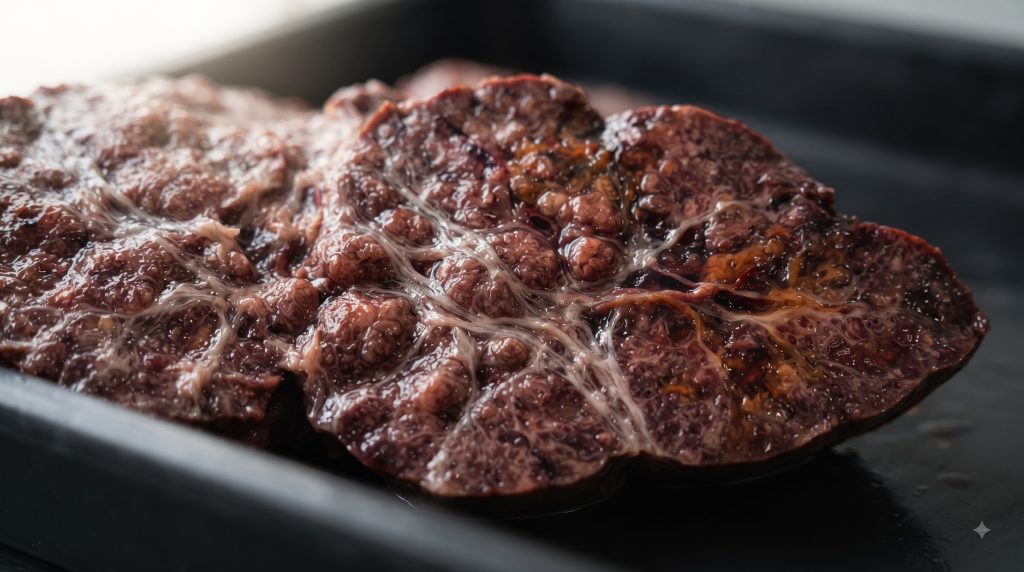
Accurate coding of chronic liver disease ICD-10 is one of the most critical — and frequently mishandled — tasks in medical billing and clinical documentation. With over 1.5 billion people worldwide affected by chronic liver conditions, getting the ICD-10 codes right impacts reimbursement, outcomes tracking, and care quality. This guide covers everything from the correct code structure to common pitfalls coders face daily. What Is Chronic Liver Disease? Chronic liver disease (CLD) refers to a progressive deterioration of liver function lasting six months or longer. Unlike acute liver conditions, CLD unfolds gradually — damaging liver cells, disrupting metabolic processes, and ultimately impairing the organ’s ability to filter blood, produce proteins, and metabolize nutrients. The condition spans a wide spectrum: from early-stage non-alcoholic fatty liver disease (NAFLD) and alcoholic hepatitis to the advanced stages of fibrosis, cirrhosis, and hepatocellular carcinoma. Because CLD rarely presents with dramatic early symptoms, it often goes undetected until significant organ damage has occurred. Understanding the ICD-10-CM Code Structure for Chronic Liver Disease The ICD-10-CM (International Classification of Diseases, 10th Revision, Clinical Modification) provides a hierarchical coding system for liver diseases under Chapter 11: Diseases of the Digestive System (K00–K95). Chronic liver disease codes primarily fall under the K70–K77 block — “Diseases of the Liver.” Understanding how these codes are organized is the first step toward accurate documentation. Primary Chronic Liver Disease ICD-10 Codes at a Glance ICD-10 Code Description Key Notes K70.30 Alcoholic cirrhosis of liver without ascites Specify alcohol use disorder separately K70.31 Alcoholic cirrhosis of liver with ascites Common in advanced alcoholic CLD K70.10 Alcoholic hepatitis without ascites Distinguish from acute episode K70.11 Alcoholic hepatitis with ascites High mortality risk; document carefully K73.0 Chronic persistent hepatitis, NEC Use when type unspecified K73.1 Chronic lobular hepatitis, NEC Histological diagnosis required K73.2 Chronic active hepatitis, NEC Also called chronic aggressive hepatitis K73.9 Chronic hepatitis, unspecified Use only when type cannot be determined K74.0 Hepatic fibrosis Code also underlying cause K74.1 Hepatic sclerosis Rare; usually secondary to other liver disease K74.60 Unspecified cirrhosis of liver Use when etiology undocumented K74.69 Other cirrhosis of liver Includes cryptogenic cirrhosis K76.0 Fatty (change of) liver, NEC Used for NAFLD without inflammation K75.81 Nonalcoholic steatohepatitis (NASH) NASH — important metabolic liver disease code K76.89 Other specified diseases of liver Covers conditions not elsewhere classified Coder’s Pro Tip:- Always document the etiology of liver disease (alcoholic, viral, metabolic, autoimmune) before defaulting to an “unspecified” code. Specificity drives reimbursement accuracy and helps flag high-risk patients in population health programs. Chronic Liver Disease: Stages and Their ICD-10 Implications Chronic liver disease progresses through distinct stages. Each stage has different clinical, functional, and coding implications. Coders and clinicians must understand disease staging to select the most appropriate and specific ICD-10 code. Hepatic Inflammation — The earliest stage involves inflammation of liver cells (hepatocytes). Codes such as K73.2 (Chronic active hepatitis) or K75.81 (NASH) apply at this stage. Biopsy or imaging findings typically confirm the diagnosis. Hepatic Fibrosis (K74.0) — Repeated injury triggers scar tissue formation. Fibrosis does not present with obvious clinical symptoms but is confirmed via FibroScan, FIB-4 score, or biopsy. This is a critical transitional code to capture before cirrhosis develops. Compensated Cirrhosis — The liver still performs most functions despite significant scarring. ICD-10 codes K74.60 or K70.30 apply depending on etiology. These patients may appear clinically stable yet face high long-term risk. Decompensated Cirrhosis — Characterized by complications: ascites, variceal bleeding, hepatic encephalopathy, jaundice. Ascites specificity (e.g., K70.31) is mandatory here. Additional complication codes should be sequenced correctly. End-Stage Liver Disease (ESLD) / Hepatocellular Carcinoma — This stage may require codes from the neoplasm chapter (C22.0 for hepatocellular carcinoma) along with the underlying chronic liver disease code. Liver transplant evaluation codes may also apply. Signs and Symptoms That Should Trigger CLD Workup Recognizing early symptoms supports both clinical care and timely, accurate coding. Many CLD patients present with overlapping, nonspecific complaints — making documentation and specificity even more important. Jaundice Yellowing of skin and eyes; signals bilirubin buildup Ascites Abdominal fluid accumulation; document with/without in code Hepatic Encephalopathy Confusion and cognitive changes due to toxin buildup Esophageal Varices Portal hypertension causes dilated esophageal veins Fatigue & Weakness Early nonspecific symptom; flag for further workup Spider Angiomata Dilated skin vessels; clinical sign of CLD Common Coding Errors in Chronic Liver Disease ICD-10 Medical coding for chronic liver disease is error-prone — especially in busy outpatient settings. Below are the most frequent mistakes coders and physicians make: Using K74.60 (unspecified cirrhosis) when a specific etiology such as alcohol or NASH has been clearly documented. Failing to code ascites specificity — the “with ascites” subcode dramatically affects DRG assignment and risk-scoring. Omitting alcohol use disorder codes (F10.10–F10.29) when coding alcoholic liver disease — these are required additional codes per ICD-10-CM guidelines. Sequencing errors: the underlying liver disease should generally be listed as the principal diagnosis, not the complication. Confusing K75.81 (NASH) with K76.0 (fatty liver/NAFLD without steatohepatitis) — these are distinct conditions with different clinical severity. Missing hepatitis virus codes (B18.0–B18.9) as required additional codes when chronic viral hepatitis underlies the CLD. Documentation Best Practice:- Physicians should document the following in every CLD encounter: etiology of liver disease, presence or absence of ascites, current stage (fibrosis vs. cirrhosis), history of decompensation events, and substance use history. This directly enables specific, defensible ICD-10 code selection. ICD-10 Code Description B18.0 Chronic viral hepatitis B with delta-agent B18.1 Chronic viral hepatitis B without delta-agent B18.2 Chronic viral hepatitis C B18.8 Other chronic viral hepatitis B18.9 Chronic viral hepatitis, unspecified ICD-10 Coding for Chronic Liver Disease Complications Advanced CLD generates a cascade of complications — each requiring its own accurate code in addition to the primary liver disease code. Capturing these codes completely is essential for correct risk adjustment and quality measure performance. K76.6 — Portal hypertension I85.00 / I85.01 — Esophageal varices without / with bleeding K72.10 / K72.11 — Chronic hepatic failure without / with coma R18.0 — Malignant ascites (when ascites is due to malignancy) K76.7 — Hepatorenal syndrome G93.41 — Metabolic encephalopathy (hepatic encephalopathy)