
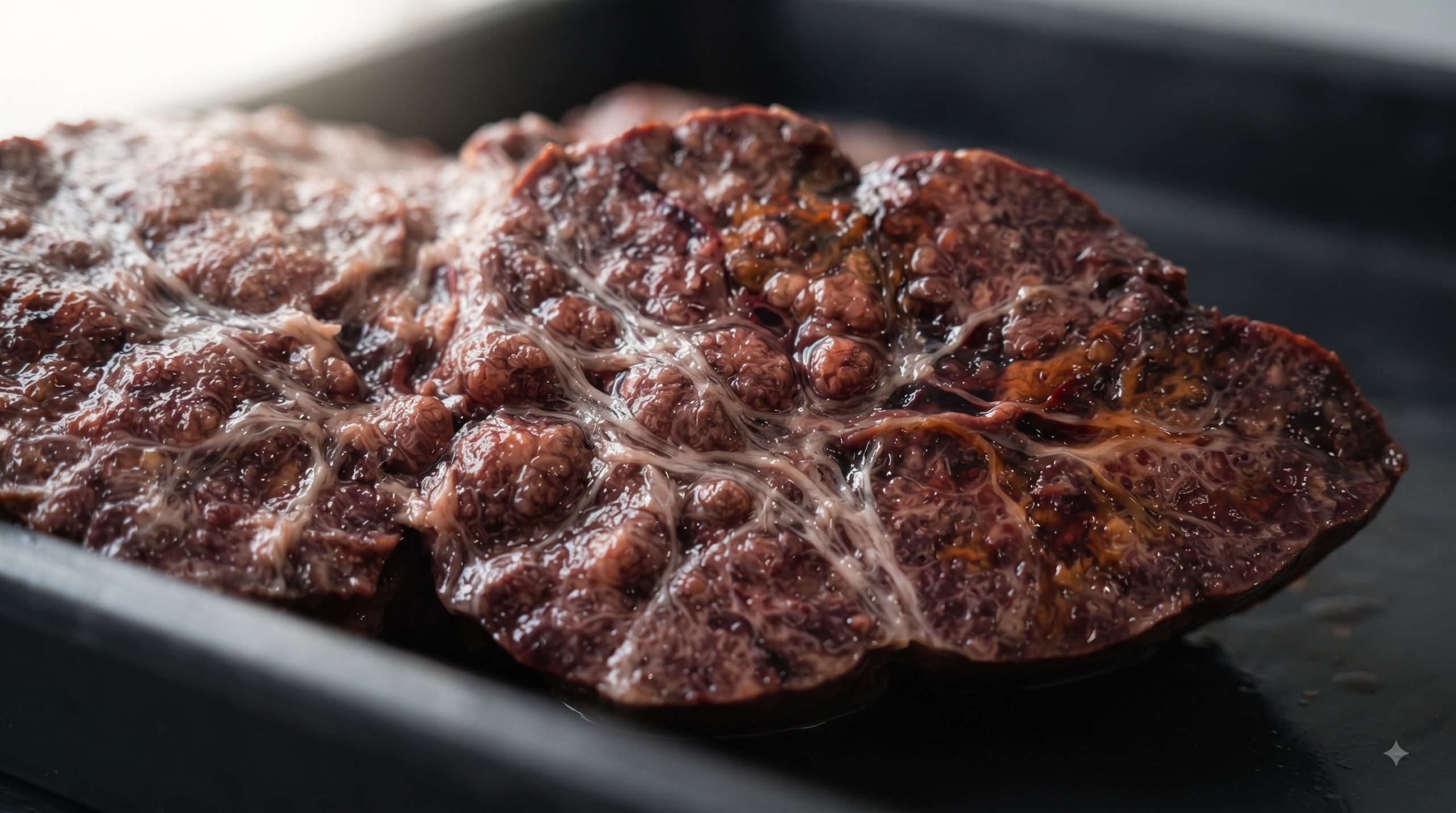
Accurate coding of chronic liver disease ICD-10 is one of the most critical — and frequently mishandled — tasks in medical billing and clinical documentation. With over 1.5 billion people worldwide affected by chronic liver conditions, getting the ICD-10 codes right impacts reimbursement, outcomes tracking, and care quality. This guide covers everything from the correct code structure to common pitfalls coders face daily.
What Is Chronic Liver Disease?
Chronic liver disease (CLD) refers to a progressive deterioration of liver function lasting six months or longer. Unlike acute liver conditions, CLD unfolds gradually — damaging liver cells, disrupting metabolic processes, and ultimately impairing the organ’s ability to filter blood, produce proteins, and metabolize nutrients.
The condition spans a wide spectrum: from early-stage non-alcoholic fatty liver disease (NAFLD) and alcoholic hepatitis to the advanced stages of fibrosis, cirrhosis, and hepatocellular carcinoma. Because CLD rarely presents with dramatic early symptoms, it often goes undetected until significant organ damage has occurred.
Understanding the ICD-10-CM Code Structure for Chronic Liver Disease
The ICD-10-CM (International Classification of Diseases, 10th Revision, Clinical Modification) provides a hierarchical coding system for liver diseases under Chapter 11: Diseases of the Digestive System (K00–K95). Chronic liver disease codes primarily fall under the K70–K77 block — “Diseases of the Liver.”
Understanding how these codes are organized is the first step toward accurate documentation.
Primary Chronic Liver Disease ICD-10 Codes at a Glance
| ICD-10 Code | Description | Key Notes |
|---|---|---|
| K70.30 | Alcoholic cirrhosis of liver without ascites | Specify alcohol use disorder separately |
| K70.31 | Alcoholic cirrhosis of liver with ascites | Common in advanced alcoholic CLD |
| K70.10 | Alcoholic hepatitis without ascites | Distinguish from acute episode |
| K70.11 | Alcoholic hepatitis with ascites | High mortality risk; document carefully |
| K73.0 | Chronic persistent hepatitis, NEC | Use when type unspecified |
| K73.1 | Chronic lobular hepatitis, NEC | Histological diagnosis required |
| K73.2 | Chronic active hepatitis, NEC | Also called chronic aggressive hepatitis |
| K73.9 | Chronic hepatitis, unspecified | Use only when type cannot be determined |
| K74.0 | Hepatic fibrosis | Code also underlying cause |
| K74.1 | Hepatic sclerosis | Rare; usually secondary to other liver disease |
| K74.60 | Unspecified cirrhosis of liver | Use when etiology undocumented |
| K74.69 | Other cirrhosis of liver | Includes cryptogenic cirrhosis |
| K76.0 | Fatty (change of) liver, NEC | Used for NAFLD without inflammation |
| K75.81 | Nonalcoholic steatohepatitis (NASH) | NASH — important metabolic liver disease code |
| K76.89 | Other specified diseases of liver | Covers conditions not elsewhere classified |
Coder’s Pro Tip:- Always document the etiology of liver disease (alcoholic, viral, metabolic, autoimmune) before defaulting to an “unspecified” code. Specificity drives reimbursement accuracy and helps flag high-risk patients in population health programs.
Chronic Liver Disease: Stages and Their ICD-10 Implications
Chronic liver disease progresses through distinct stages. Each stage has different clinical, functional, and coding implications. Coders and clinicians must understand disease staging to select the most appropriate and specific ICD-10 code.
- Hepatic Inflammation — The earliest stage involves inflammation of liver cells (hepatocytes). Codes such as K73.2 (Chronic active hepatitis) or K75.81 (NASH) apply at this stage. Biopsy or imaging findings typically confirm the diagnosis.
- Hepatic Fibrosis (K74.0) — Repeated injury triggers scar tissue formation. Fibrosis does not present with obvious clinical symptoms but is confirmed via FibroScan, FIB-4 score, or biopsy. This is a critical transitional code to capture before cirrhosis develops.
- Compensated Cirrhosis — The liver still performs most functions despite significant scarring. ICD-10 codes K74.60 or K70.30 apply depending on etiology. These patients may appear clinically stable yet face high long-term risk.
- Decompensated Cirrhosis — Characterized by complications: ascites, variceal bleeding, hepatic encephalopathy, jaundice. Ascites specificity (e.g., K70.31) is mandatory here. Additional complication codes should be sequenced correctly.
- End-Stage Liver Disease (ESLD) / Hepatocellular Carcinoma — This stage may require codes from the neoplasm chapter (C22.0 for hepatocellular carcinoma) along with the underlying chronic liver disease code. Liver transplant evaluation codes may also apply.
Signs and Symptoms That Should Trigger CLD Workup
Recognizing early symptoms supports both clinical care and timely, accurate coding. Many CLD patients present with overlapping, nonspecific complaints — making documentation and specificity even more important.
Jaundice
Yellowing of skin and eyes; signals bilirubin buildup
Ascites
Hepatic Encephalopathy
Esophageal Varices
Fatigue & Weakness
Spider Angiomata
Common Coding Errors in Chronic Liver Disease ICD-10
Medical coding for chronic liver disease is error-prone — especially in busy outpatient settings. Below are the most frequent mistakes coders and physicians make:
- Using K74.60 (unspecified cirrhosis) when a specific etiology such as alcohol or NASH has been clearly documented.
- Failing to code ascites specificity — the “with ascites” subcode dramatically affects DRG assignment and risk-scoring.
- Omitting alcohol use disorder codes (F10.10–F10.29) when coding alcoholic liver disease — these are required additional codes per ICD-10-CM guidelines.
- Sequencing errors: the underlying liver disease should generally be listed as the principal diagnosis, not the complication.
- Confusing K75.81 (NASH) with K76.0 (fatty liver/NAFLD without steatohepatitis) — these are distinct conditions with different clinical severity.
- Missing hepatitis virus codes (B18.0–B18.9) as required additional codes when chronic viral hepatitis underlies the CLD.
Documentation Best Practice:- Physicians should document the following in every CLD encounter: etiology of liver disease, presence or absence of ascites, current stage (fibrosis vs. cirrhosis), history of decompensation events, and substance use history. This directly enables specific, defensible ICD-10 code selection.
| ICD-10 Code | Description |
|---|---|
| B18.0 | Chronic viral hepatitis B with delta-agent |
| B18.1 | Chronic viral hepatitis B without delta-agent |
| B18.2 | Chronic viral hepatitis C |
| B18.8 | Other chronic viral hepatitis |
| B18.9 | Chronic viral hepatitis, unspecified |
ICD-10 Coding for Chronic Liver Disease Complications
Advanced CLD generates a cascade of complications — each requiring its own accurate code in addition to the primary liver disease code. Capturing these codes completely is essential for correct risk adjustment and quality measure performance.
- K76.6 — Portal hypertension
- I85.00 / I85.01 — Esophageal varices without / with bleeding
- K72.10 / K72.11 — Chronic hepatic failure without / with coma
- R18.0 — Malignant ascites (when ascites is due to malignancy)
- K76.7 — Hepatorenal syndrome
- G93.41 — Metabolic encephalopathy (hepatic encephalopathy)
What is the main ICD-10 code for chronic liver disease?
There is no single "main" code — chronic liver disease ICD-10 coding depends on the specific etiology and stage. The most common codes include K70.30 (alcoholic cirrhosis without ascites), K74.60 (unspecified cirrhosis), K73.9 (chronic hepatitis unspecified), and K75.81 (NASH). The right code always depends on documented clinical specifics.