
Indigestion: Symptoms, Causes, Diet & Treatments

With the wrong diet, no medicine can help. With the right diet, no medicine is necessary – Confucius. Indeed, the famed Chinese philosopher most likely had indigestion in his mind when he delivered that sermon. People usually suffer from indigestion when consuming unhealthy food that the stomach fails to digest. The result: uncomfortable feeling in the upper abdomen, pain, fullness, bloating, and nausea. Some also suffer from GERD (Gastroesophageal Reflux Disease) along with indigestion, while doctors debate whether indigestion causes GERD or GERD causes indigestion, even though GERD is mostly caused by failure of the esophageal sphincter valve. What actually causes Indigestion To be precise, indigestion has many causes that include disease conditions, side effects of certain medications, and an unhealthy lifestyle. Disease conditions include: ■ Ulcers ■ GERD ■ Gastroparesis (a condition when the stomach fails to empty itself appropriately; mostly occurring in people with diabetes) ■ Stomach infection ■ IBS ■ Chronic Pancreatitis ■ Thyroid problem ■ Malignant growth in the stomach (rather rare) ■ Pregnancy (Though not a disease condition) Side effects of certain medications include: ■ Aspirin and sundry other painkillers, such as NSAIDs like ibuprofen (Motrin, Advil) and naproxen. ■ Estrogen and oral contraceptives ■ Steroid medications ■ Some antibiotics ■ Thyroid medications Leading an unhealthy lifestyle, such as the following, also causes chronic indigestion: ■ Gluttony ■ Consuming high-fat food or spicy food ■ Eating late-night dinner ■ Alcoholism ■ Chain smoking ■ Lack of physical exercise Incidentally, some people have persistent indigestion that is unrelated to any of the above conditions and so are termed as Functional, or Non-ulcer dyspepsia. How to Prevent Indigestion Even though we are well acquainted with the adage that proclaims “Prevention is better than cure”, very few of us are aware of what actually prevents indigestion. However, obeying the following rules will help prevent indigestion and its accompanying uneasiness and discomfort. Instead of eating three heavy meals (Breakfast, Lunch, and Dinner), eat many smaller meals per day so that the digestive power of the stomach is not over-stressed. Stay away from food items that have given rise to indigestion in the past. Eat slowly; do not gulp. Cut down or avoid foods/beverages that contain caffeine. If stress triggers indigestion (according to experience), learn how to manage stress that includes Yoga or the Biofeedback technique. Cut back on alcohol consumption. Don’t go to bed immediately after dinner. Treatment of Indigestion When indigestion is caused by excessive stomach acid, ulcers, GERD, esophagitis, or gastritis, your doctor is likely to prescribe potent acid blockers for immediate relief that include: ■ Omeprazole ■ Lansoprazole ■ Rabeprazole ■ Pantoprazole ■ Esomeprazole A grouping of antibiotics as well as acid blockers may be prescribed for longer periods if the underlying cause is related to Helicobacter pylori (H. pylori). If, on the other hand, the underlying cause is found to be gastroparesis, a pro-motility drug such as Metoclopramide is often prescribed. If, however, the underlying cause of indigestion is related to depression or anxiety, antidepressants are routinely prescribed. Postscript Occasional bouts of indigestion and accompanying discomfort are mostly cured without the use of prescription medicine, but persistent spells of indigestion or chronic dyspepsia need thorough investigation and prolonged treatment by a gastroenterologist.
Belching: Causes, Symptoms & Diagnosis
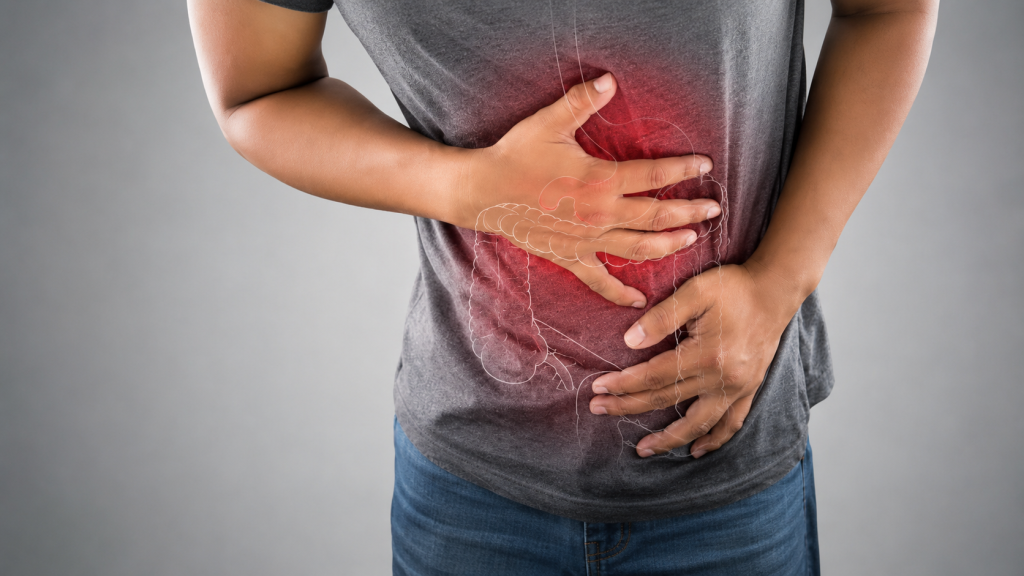
Belching involves expulsion of gas from the esophagus (and stomach) through the mouth (after a meal), resulting in the distinctive resonance known as Burp! Among certain ethnic groups, dinner receptions are not considered gratifying unless the guests belch loudly while leaving the table. Nevertheless, we all belch after consuming a hearty meal, which provides some comfort and satisfaction as the expelled gas brings relief to the distended stomach somewhat filled by swallowed air. However, too much or excessive belching can be a cause of concern needing medical attention by a gastroenterologist, such as Dr. V.K. Rai, since there are several medical conditions that may cause this wacky malady, calling for prompt diagnosis and treatment, if necessary. Medical Conditions Causing Excessive Burping Hiatal Hernia – A hiatal hernia that causes excessive burping occurs if and when the upper part of a person’s stomach pushes up through the diaphragm, reaching the chest region. Normally, the stomach remains below the diaphragm, but in people with a hiatal hernia, a part of the stomach pushes up through the diaphragm, while the opening it moves through is called a hiatus, and hence the name. However, when part of the stomach pushes up through the diaphragm, it remains at the same level as the lungs. But when the pressure drops in the chest cavity due to muscle movement (as a person breathes in), the same effect happens in this part of the stomach, pulling air in. On breathing out, the chest pressure changes, the lungs expel the air, but the bizarrely located stomach does not want to let go, thus making it uncomfortable for the person who feels the urge to belch for relief. Hiatal hernia may be diagnosed by a Gastroenterologist such as Dr. V.K. Rai, MD, in the following ways… ■ Barium X-ray – The gastroenterologist may have you drink a liquid with barium in it before taking an X-ray. This X-ray provides a clear silhouette of your upper digestive tract. The image allows the gastroenterologist to see the location of your stomach. If it’s protruding through your diaphragm, you have a hiatal hernia. ■ Endoscopy – The gastroenterologist may slide a thin tube down your throat and pass it down to your esophagus and stomach. He/she will then be able to see if your stomach is pushing through your diaphragm. Any strangulation or obstruction will also be visible. GERD – Acid reflux or gastroesophageal reflux disease (GERD) can oftentimes cause excessive belching by promoting increased swallowing. Chronic belching may be related to inflammation of the stomach lining (gastritis) or to an infection with Helicobacter pylori, the bacterium responsible for some stomach ulcers. In these cases, the belching is accompanied by other symptoms, such as heartburn or abdominal pain. Diagnosing GERD involves three basic tests: (a) Upper Endoscopy, (b) Esophageal pH monitoring, and (c) Manometry, to be conducted by a gastroenterologist, such as Dr. V.K. Rai, MD for the following reasons. ■ Upper Endoscopy: An upper endoscopy can be used to determine the cause of heartburn and is often performed as an outpatient procedure. ■ Esophageal pH Test: The esophageal pH test is commonly used to help confirm the diagnosis of GERD or to identify the cause of various symptoms. ■ Esophageal Manometry: Esophageal manometry is an outpatient test that can identify problems with movement and pressure in the esophagus that may lead to problems like heartburn. Swallowing air – Bad or harmful habits cause excessive belching, too. These include overindulgence in drinking carbonated beverages, particularly when drinking with a ‘straw’. Also, people who eat and drink quickly, or when they are on the go. Chain smokers fall in this category in no uncertain way. Indigestion – Indigestion and heartburn can cause excessive belching, while the latter can stem from acid reflux, whether as a symptom of peptic ulcer, or a sign that last night’s spicy meal did not agree with your stomach lining. When acid moves back up the esophagus from the stomach, as in GERD, people often swallow frequently as a way to relieve some of the discomfort and then have to belch. Continuous swallowing causes more air to enter the system, which in turn causes more belching. Gastroparesis – A medical condition called gastroparesis can lead to excessive belching. Gastroparesis, sometimes referred to as delayed gastric emptying, is a condition in which food remains in the stomach longer than it should because the stomach’s muscles become weak or are damaged. Weak stomach muscles become unable to push food to the next stage of digestion. Undigested food that remains in the stomach can cause nausea, vomiting, and excessive burping, too. Postscript Belching is a normal human phenomenon associated with the ingestion of food and starts from the very primary stage, i.e., with newborn babies. However, when it gets beyond control or becomes unmanageably excessive, one needs medical intervention, especially by a senior Gastroenterologist like Dr. V.K. Rai.
Navigate Dyspepsia with Expert Gastro Care

Experiencing persistent discomfort in your upper abdomen, accompanied by bloating, gas, or a burning sensation? You’re not alone. Millions of individuals worldwide are affected by dyspepsia, commonly referred to as indigestion. It’s a condition that may seem minor at first but can severely affect daily life when left untreated. Whether it’s the persistent discomfort after eating or the burning sensation in your stomach, dyspepsia is a sign that your digestive system may need attention. We at LivGastro are aware of the significant impact that digestive problems can have on your health. Our team is committed to offering compassionate care, guiding you from discomfort to lasting relief. We pride ourselves on offering personalized treatment plans, ensuring that patients receive the specialized attention they deserve from our leading gastroenterology hospital in Kolkata. We believe that no one should have to live with the constant discomfort of dyspepsia. We’ve seen firsthand how disruptive symptoms like gas, bloating, acidity, and abdominal pain can be—and how dramatically they improve with the right care. Our team uses state-of-the-art diagnostics and a personalized approach to treat your condition from its root cause. Whether you’re searching for the best liver hospital in Kolkata or an “acidity doctor near me”, we are here to help every step of the way. Understanding Dyspepsia: More Than a Common Problem Dyspepsia is a medical term for indigestion. Usually, it refers to an array of upper abdominal symptoms, particularly after eating. This condition includes discomfort, bloating, early satiety (feeling full quickly), nausea, and sometimes a burning sensation that mimics acidity. While it can be mild and occasional for some, others may experience chronic and severe symptoms that interfere with daily life. Although it is not a disease, it is a symptom of gastroesophageal reflux disease (GERD) and other conditions. At LivGastro, we view dyspepsia as more than just a symptom—it’s an indication that your digestive system needs attention. The experts at our top gastroenterology hospital in Kolkata work closely with you to understand your symptoms and provide accurate diagnoses and treatment plans tailored specifically to your needs. Signs and Symptoms of Dyspepsia Knowing the symptoms of dyspepsia can help you seek timely care. While the specific manifestations can vary, common signs include: ■ Ache or a burning feeling in the upper abdomen ■ Bloating or feeling overly full after meals ■ Nausea or occasional vomiting ■ Frequent belching or gas ■ Loss of appetite ■ Acid reflux or sour taste in the mouth These symptoms may appear alone or in combination, and they often worsen after eating fatty, spicy, or large meals. If you notice any of these signs recurring regularly, it’s time to search for “the best acidity doctor near me” and consult the expert for gastrointestinal care. Common Causes of Dyspepsia Dyspepsia can stem from a variety of factors—some lifestyle-related and others medical. The most common causes include: ■ Overeating or eating too quickly ■ High-fat, spicy, or acidic foods ■ Excessive caffeine or alcohol intake ■ Smoking ■ Stress and anxiety ■ Helicobacter pylori (H. pylori) infection ■ Peptic ulcers or gastritis ■ Use of certain medications, such as NSAIDs Our team at LivGastro carefully evaluates each patient’s history and symptoms to identify the root cause of dyspepsia and ensure targeted treatment. What Treatment Does the Best Acidity Doctor in Kolkata Recommend? At our patient-centric gastroenterology hospital in Kolkata, we follow a holistic approach to treating dyspepsia. Our treatment strategy combines lifestyle guidance, medication, and diagnostic assessments to ensure the best outcomes. Here’s what you can expect from our care: ■ Detailed Diagnosis We begin with a thorough physical examination and may recommend tests such as upper GI endoscopy, abdominal ultrasound, or H. pylori testing to rule out underlying issues. ■ Personalized Medications Based on the diagnosis, we may prescribe antacids, proton pump inhibitors (PPIs), antibiotics, or prokinetics to reduce acid and enhance digestion. In case of bacterial infection, antibiotics may be required. ■ Dietary & Lifestyle Counseling As one of the most common triggers of dyspepsia is poor dietary habits, we work with patients to create sustainable meal plans. We also recommend stress management techniques and exercise routines to support gut health. ■ Follow-up Care Continuous monitoring ensures that the treatment is working and any adjustments are made promptly. Why Choose LivGastro for Dyspepsia Treatment? LivGastro stands out for its commitment to excellence and patient-centered care. We are recognized as the best liver hospital in Kolkata for our expertise in treating a wide range of gastrointestinal disorders. Our state-of-the-art facility, experienced specialists, and personalized approach make us a trusted choice for anyone facing digestive issues like dyspepsia. We’re prepared to help you at every stage, whether you’re looking for cutting-edge diagnostics or simply need professional guidance on managing digestive issues like acid reflux. Count On LivGastro to Reclaim Comfort with Expert Digestive Care! At LivGastro, we believe that no one should have to live with the daily burden of indigestion and upper abdominal discomfort. We’re dedicated to giving you the professional treatment you need. Our team of highly experienced doctors and advanced diagnostic tools ensures you receive top-tier care tailored to your needs. So, if you’re searching for a reliable gastroenterology hospital in Kolkata, your journey to digestive wellness begins with us.