
8 Things You Should Know About Digestive Health
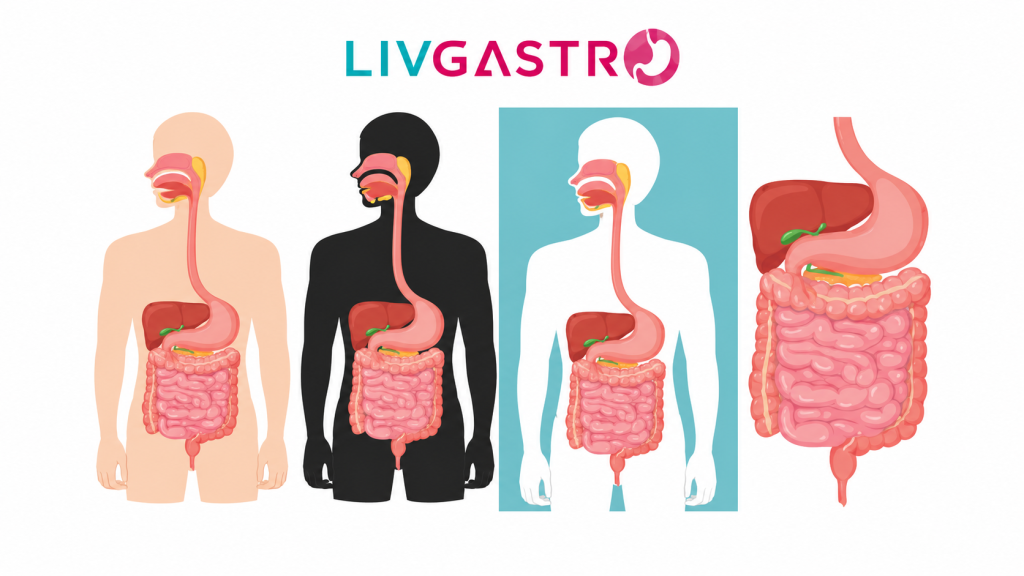
Gastroenterology specialists in Kolkata are medical marvels, medical specialists trained to diagnose and treat conditions affecting the digestive system. This includes the stomach, small and large intestines (colon), rectum, liver, pancreas, gallbladder, and bile ducts. They provide care for a wide range of issues, including abdominal pain, acid reflux (GERD), ulcers, irritable bowel syndrome (IBS), Crohn’s disease, colitis, celiac disease, hepatitis B and C, pancreatitis, constipation, and chronic diarrhea. If you’re searching for a gastroenterologist near me in Kolkata, it’s important to choose someone with the right expertise to accurately diagnose and manage your condition with personalized care. These specialists play a crucial role in maintaining your digestive health. From performing colon cancer screenings to identifying early signs of gastrointestinal diseases, their work helps detect and manage problems before they become more serious. Gastroenterologists also offer practical guidance on diet and lifestyle changes to support a healthier gut. Visiting a GI doctor can feel intimidating, but it doesn’t have to be. Here are a few things your gastroenterologist wants you to know before your next appointment. 1. A Gastroenterologist Wishes to Help You Feel Better Gastrointestinal problems can change a lot of things, such as how much energy you have and how sure you are of yourself. Gastroenterologists are here to find out what’s causing your pain and come up with a treatment plan that not only helps but also makes your life better. Your comfort is always the priority. 2. No Symptom Is Too Small Digestive issues often present in subtle ways, and sometimes even serious conditions can start with mild symptoms. That’s why no concern is too small to discuss. A qualified gastroenterology specialist in Kolkata will take every symptom seriously because even minor digestive troubles can disrupt your routine, comfort, and overall well-being. 3. We’re Experts in All Things Digestive Gastroenterologists undergo years of specialized training to diagnose and treat everything from common stomach issues to complex conditions like Crohn’s disease or ulcerative colitis. Whether it’s a minor concern or a chronic disorder, you can trust that you are in capable, experienced hands. 4. Treatment Isn’t One-Size-Fits-All There’s often more than one way to manage a digestive issue. That’s why we tailor treatment plans to fit your lifestyle, preferences, and medical needs. Together, we’ll find an approach that’s not only effective but also practical for your daily life. 5. We’re Here to Support Your Health Goals The digestive system plays a vital role in how your body absorbs nutrients. A skilled gastroenterologist in Kolkata is well-equipped to guide you on diet and nutrition. We can create a personalized plan to help you live healthier, whether you are trying to manage a condition, boost vitamin levels, or adjust your weight. Nutritional advice is often a key part of our treatment approach. 6. We Understand Food Intolerances—and How to Manage Them If you suspect a food intolerance, like gluten or lactose, we can help identify the cause and guide you through the next steps. From ensuring proper nutrition to offering practical tips for Grocery shopping and meal planning, we will help you avoid symptoms and feel confident in your food choices. 7. Nothing You Say Will Surprise Us Gastroenterologists have years of experience handling a wide range of digestive issues—nothing is too awkward or embarrassing. Whether it’s rectal pain, bleeding, or changes in bowel habits, your honesty aids us in identifying the underlying issue and delivering optimal care. 8. Screenings Can Be Lifesaving Early identification of colon cancer can lead to much better outcomes. While there are several ways to screen for abnormalities, colonoscopy remains the most reliable method, allowing us to detect and often treat issues in a single procedure. Talk to your GI doctor about when to begin regular screenings. Prioritize Your Gut Health, Get Started Today We at LivGastro are dedicated to delivering world-class gastrointestinal care, combining expert clinical experience with the latest advancements in digestive health. Our team is actively involved in continuous research to make sure patients benefit from the most up-to-date and effective GI treatments available. Whether you’re managing a chronic condition or seeking answers to new symptoms, we’re here to help with compassionate, personalized care. If you’re searching for a trusted gastroenterologist in Kolkata near me, our specialists are here to support you. To schedule an appointment with our experienced gastroenterologist, contact the office closest to you or use our easy and convenient online request form. Your digestive health matters—and you can count on us for continuous support from start to finish.