
GERD: Symptoms, Diagnosis & Treatment

Symptoms and treatment options with a patient experiencing acid reflux and heartburn.

What is GERD?  GERD, which stands for Gastroesophageal Reflux Disease, often called Acid Reflux, is a long-term disease condition where stomach content (especially acidic content) refluxes or comes back to the mouth via the esophagus or the food tube, giving rise to heartburn, acidic taste in the mouth, chest pain, and even breathing problems among many. However, studies reveal that symptoms associated with GERD are more common (20 – 25%) among people living in Western countries (such as the U.K.) as compared to those belonging to Asian countries (such as Malaysia), where it is limited to 10 – 15%.  What are the GERD symptoms?  The most common symptoms of GERD include HEARTBURN (even though it has nothing to do with the heart), strong acidic taste in the mouth, sore throat, swallowing problem, high rate of salivation, and coughing.  Repeated GERD episodes often cause injury to the esophagus, resulting in: Reflux esophagitis – Necrosis (death of local cells) of esophageal epithelium, causing ulcers close to the connection between the stomach and the esophagus  Esophageal strictures – Narrowing of the esophagus caused by reflux-induced inflammation  Barrett’s esophagus – Intestinal metaplasia (changes of the epithelial cells from squamous to intestinal columnar epithelium) of the distal esophagus  Esophageal adenocarcinoma – A type of cancer. Even though some people claim GERD causes sinusitis, recurrent ear infection, and idiopathic pulmonary fibrosis, these have not been medically established so far.  What causes GERD?  Gastroesophageal Reflux Disease is primarily caused by the failure of the Lower Esophageal sphincter valve, thus allowing a part of the acidic stomach contents to travel back to the esophagus, creating all the issues stated above.  However, some of the following factors also contribute to the onset of GERD:  Obesity – Increasing BMI is often associated with GERD to a large extent. With more than 2,000 people with symptomatic reflux disease, it has been proven that 13% of changes in esophageal acid exposure are attributable to changes in BMI. Hiatal Hernia increases the likelihood of GERD on account of mechanical and motility factors.  Zollinger-Ellison Syndrome, which can be found in increased gastric acidity due to gastrin production.  High blood calcium levels can also heighten gastrin production, giving rise to higher acidity.  Scleroderma and systemic sclerosis may cause esophageal dysmotility.  Prednisolone (High consumption rate).  Visceroptosis or Glenerd Syndrome, in which the stomach has gone down in the abdomen, upsetting the motility and acid secretion of the stomach.  How is GERD diagnosed?  Diagnosis of gastroesophageal reflux disease is primarily based on the symptoms presented by the patient, as well as the following tests and observations.  A test to monitor the amount of acid in your esophagus – Ambulatory acid (pH) probe tests use a device to measure acid for 24 hours. The device identifies when, and for how long, stomach acid regurgitates into your esophagus. One type of monitor is a thin, flexible tube (catheter) that’s threaded through your nose into your esophagus. The tube connects to a small computer that you wear around your waist or with a strap over your shoulder.  Another type is a clip that’s placed in your esophagus during endoscopy. The probe transmits a signal, also to a small computer that you wear. After about two days, the probe falls off to be passed in your stool. Your doctor may ask that you stop taking GERD medications to prepare for this test. If you have GERD and you need surgery, you may also have other tests, such as:  ■ An X-ray of your upper digestive system. Sometimes called a barium swallow or upper GI series, this procedure involves drinking a chalky liquid that coats and fills the inside lining of your digestive tract. Then X-rays are taken of your upper digestive tract. The coating allows your doctor to see a silhouette of your esophagus, stomach, and upper intestine (duodenum).  ■ A flexible tube to look inside your esophagus. Endoscopy is a way to visually examine the inside of your esophagus and stomach. During endoscopy, your doctor inserts a thin, flexible tube equipped with a light and camera (endoscope) down your throat. Your doctor may also use an endoscopy to collect a sample of tissue (biopsy) for further testing. Endoscopy is useful in looking for complications of reflux, such as Barrett’s esophagus.  ■ A test to measure the movement of the esophagus. Esophageal motility testing (manometry) measures movement and pressure in the esophagus. The test involves placing a catheter through your nose and into your esophagus.  What are the modes of Treatment for GERD?  Treatment for GERD usually begins with over-the-counter medications that control acid. If you do not find relief within a few weeks, your doctor may recommend other treatments, including medications and surgery.  Over-the-counter treatments that may help control GERD symptoms include:  ■ Antacids that neutralize stomach acid. Antacids, such as Maalox, Mylanta, Gelusil, Gaviscon, Rolaids, and Tums, may provide quick relief. But antacids alone won’t heal an inflamed esophagus damaged by stomach acid. Overuse of some antacids can cause side effects, such as diarrhea or constipation.  ■ Medications to reduce acid production. Called H-2-receptor blockers, these medications include cimetidine (Tagamet HB), famotidine (Pepcid AC), nizatidine (Axid AR), or ranitidine (Zantac). H-2-receptor blockers don’t act as quickly as antacids do, but they provide longer relief and may decrease acid production from the stomach for up to 12 hours. Stronger versions of these medications are available in prescription form.  ■ Medications that block acid production and heal the esophagus. Proton pump inhibitors are stronger blockers of acid production than are H-2-receptor blockers and allow time for damaged esophageal tissue to heal. Over-the-counter proton pump inhibitors include lansoprazole (Prevacid 24 HR) and omeprazole (Prilosec, Zegerid OTC).  Postscript: GERD is best controlled by leading a healthy lifestyle, reducing or cutting down alcohol consumption, and also giving up smoking for good. Over and above, consumption of fried and/or fatty food should be eliminated. And as a last reminder – Do not indulge in drinking Champagne.

Indigestion: Symptoms, Causes, Diet & Treatments

Patient experiencing indigestion symptoms while consulting a gastroenterologist about digestive health and treatment options.

With the wrong diet, no medicine can help. With the right diet, no medicine is necessary – Confucius. Indeed, the famed Chinese philosopher most likely had indigestion in his mind when he delivered that sermon. People usually suffer from indigestion when consuming unhealthy food that the stomach fails to digest. The result: uncomfortable feeling in the upper abdomen, pain, fullness, bloating, and nausea. Some also suffer from GERD (Gastroesophageal Reflux Disease) along with indigestion, while doctors debate whether indigestion causes GERD or GERD causes indigestion, even though GERD is mostly caused by failure of the esophageal sphincter valve.  What actually causes Indigestion  To be precise, indigestion has many causes that include disease conditions, side effects of certain medications, and an unhealthy lifestyle. Disease conditions include:  ■ Ulcers  ■ GERD  ■ Gastroparesis (a condition when the stomach fails to empty itself appropriately; mostly occurring in people with diabetes) ■ Stomach infection  ■ IBS  ■ Chronic Pancreatitis  ■ Thyroid problem  ■ Malignant growth in the stomach (rather rare)  ■ Pregnancy (Though not a disease condition)  Side effects of certain medications include:  ■ Aspirin and sundry other painkillers, such as NSAIDs like ibuprofen (Motrin, Advil) and naproxen.  ■ Estrogen and oral contraceptives  ■ Steroid medications  ■ Some antibiotics  ■ Thyroid medications  Leading an unhealthy lifestyle, such as the following, also causes chronic indigestion:  ■ Gluttony  ■ Consuming high-fat food or spicy food  ■ Eating late-night dinner  ■ Alcoholism ■ Chain smoking  ■ Lack of physical exercise  Incidentally, some people have persistent indigestion that is unrelated to any of the above conditions and so are termed as Functional, or Non-ulcer dyspepsia.  How to Prevent Indigestion  Even though we are well acquainted with the adage that proclaims “Prevention is better than cure”, very few of us are aware of what actually prevents indigestion. However, obeying the following rules will help prevent indigestion and its accompanying uneasiness and discomfort.  Instead of eating three heavy meals (Breakfast, Lunch, and Dinner), eat many smaller meals per day so that the digestive power of the stomach is not over-stressed.  Stay away from food items that have given rise to indigestion in the past. Eat slowly; do not gulp.  Cut down or avoid foods/beverages that contain caffeine.  If stress triggers indigestion (according to experience), learn how to manage stress that includes Yoga or the Biofeedback technique.  Cut back on alcohol consumption.  Don’t go to bed immediately after dinner.  Treatment of Indigestion  When indigestion is caused by excessive stomach acid, ulcers, GERD, esophagitis, or gastritis, your doctor is likely to prescribe potent acid blockers for immediate relief that include:  ■ Omeprazole  ■ Lansoprazole  ■ Rabeprazole  ■ Pantoprazole  ■ Esomeprazole  A grouping of antibiotics as well as acid blockers may be prescribed for longer periods if the underlying cause is related to Helicobacter pylori (H. pylori). If, on the other hand, the underlying cause is found to be gastroparesis, a pro-motility drug such as Metoclopramide is often prescribed. If, however, the underlying cause of indigestion is related to depression or anxiety, antidepressants are routinely prescribed.  Postscript  Occasional bouts of indigestion and accompanying discomfort are mostly cured without the use of prescription medicine, but persistent spells of indigestion or chronic dyspepsia need thorough investigation and prolonged treatment by a gastroenterologist.

Chronic Pancreatitis: Symptoms, Causes & Treatment

Chronic Pancreatitis: Symptoms, Causes & Treatment

What is Chronic Pancreatitis?  Chronic (long-term) Pancreatitis constitutes undeviating inflammation of the pancreas that impairs your system’s ability to digest food properly and regulate the blood sugar level in your body. Although acute, short-term pancreatitis often gets cured through conservative treatment, chronic pancreatitis seldom gets permanently cured. As a matter of fact, the damage caused due to a high degree of alcoholism and other causes over an extended period of time leaves so much ill effect on the organ that no line of ethical treatment can provide enduring relief. However, acute abdominal pain and secondary symptoms can be managed through medication and other means to some extent.  What are the symptoms of chronic pancreatitis?  Symptoms are usually absent in the initial stage, which, however, occur as outlined below as the ailment progresses.  ■ Nausea and vomiting  ■ Upper abdominal pain  ■ Diarrhea  ■ Pale, yellowish, sticky stool  ■ Undue fatigue and too much thirst  ■ Inexplicable weight loss  However, as the disease progresses further, more alarming symptoms begin to appear that include:  ■ Typical yellowish discoloration in the eyes and the skin, indicating the onset of Jaundice  ■ Presence of pancreatic fluid in the abdomen  ■ Internal bleeding  ■ Intestinal blockage  ■ Unrelenting abdominal pain What causes chronic pancreatitis?  Although there could be numerous self-induced as well as inherited causes behind the onset of chronic pancreatitis in a person’s life, the commonest of all is alcohol abuse. Medical studies reveal that more than 70% of people affected by chronic pancreatitis have a long history of excessive alcohol consumption. However, some of the other causes that are also there are listed below:  ■ Blockage of the pancreatic duct either by gallstones or pancreatic stones  ■ Abdominal surgery  ■ High calcium levels in blood (hypercalcemia), which may have been caused by an overactive parathyroid gland (hyperparathyroidism)/li>  ■ High triglyceride level in blood (hypertriglyceridemia)  ■ Chronic infection that remained untreated  ■ Cystic fibrosis  ■ Autoimmune disease  ■ Excessive cigarette smoking  ■ Family history of pancreatitis  ■ Incredible, yet true – ERCP may lead to chronic pancreatitis. Wonder of all wonders – sometimes no cause is found at all!  How is chronic pancreatitis diagnosed?  Chronic Pancreatitis is not only difficult to treat but also difficult to diagnose. For instance, blood tests that normally reveal causes related to a lot of maladies prove to be of little value in diagnosing chronic pancreatitis, at least during the early stages of this deadly disease. However, blood tests do reveal the level of pancreatic enzymes in your blood. Nevertheless, some of the following tests are conducted to obtain more definite information, while imaging tests prove more helpful in diagnosing chronic pancreatitis.  ■ X-rays  ■ Ultrasound  ■ CT scans  ■ MRI scans  To obtain conclusive evidence of the extent of damage caused to your pancreas, doctors (gastroenterologists) also go for an endoscopic ultrasound. During the procedure, the doctor inserts a long, flexible tube into your mouth, down through your stomach, and right up to the small intestine. The tube contains an ultrasonic probe that emits sound waves that create detailed images of your pancreas on a monitor attached to it. What are the modes of Treatment for chronic pancreatitis?  To be honest about it, there isn’t much in the medical world to cure chronic pancreatitis, because the pancreas, like the liver, once damaged, cannot be recovered back to its original condition. However, medical help is available to manage the symptoms by way of medication, endoscopic therapies, and surgery.  Medications that are often prescribed to manage the symptoms include:  ■ Pain management medications to suppress agonizing abdominal pain  ■ Supplementary digestive enzymes if your enzyme levels are found to be much too meager for digesting food properly ■ Insulin if you become diabetic  ■ Steroids, if you happen to develop autoimmune pancreatitis  Endoscopic treatment of chronic pancreatitis has currently drawn benefits from endoscopic procedures previously practiced for the main bile duct. While endotherapy is widely acclaimed as the most accepted alternative to surgery, cyst drainage procedure today presents the largest step forward in that non-surgical approach, regardless of whether direct (through stomach or duodenum) or indirect through the papilla in the duodenum. Pancreatic duct drainage, associated with stone clearance, is also feasible, while the procedure gives similar results to surgery with lower morbidity.  Surgery, though not indicated for all, becomes inevitable for people who cannot endure excruciating abdominal pain that does not respond to pain-killing drugs. The only alternative then entails surgical removal of part of the organ.  Postscript:  People suffering from chronic pancreatitis should stay away from alcohol, even if hooch hasn’t been responsible for their dreaded illness, because it will exacerbate their sickness to a great extent. They should also refrain from smoking, as it would increase their risk of developing pancreatic cancer.

Gallstones: Types, Symptoms, Diagnosis & Treatment

Medical illustration showing gallstones in the gallbladder with a doctor explaining diagnosis and treatment options.

Clinically speaking, gallstones are not stones such as rocks or minerals but stone-like hard deposits made of cholesterol, calcium salt, or bilirubin that are often found within the gallbladder, which is a small organ that stores bile. However, these stone-like substances may vary in volume, from as tiny as a grain of salt to as large as an apricot. To be precise, certain components in bile often crystallize and harden, thus forming gallstones. According to Harvard Health Publications, 80% of gallstones are made of cholesterol, while the remaining 20% consist of calcium salts and bilirubin that are known as Pigment Stones.  Types of Gallstones  As earlier said, gallstones are mostly made of cholesterol, as well as a few other substances that are outlined below.  Cholesterol Stones: Gallstones often form within the gallbladder when the liver tends to secrete excessive amounts of cholesterol in the bile that it cannot break down or dissolve, and as a result, hard stone-like substances develop over time.  Bilirubin originated from stones: Bilirubin is a byproduct that is formed while the liver routinely breaks down old red blood cells. However, due to certain disease conditions such as cirrhosis of the liver, as well as a few blood disorders, the liver tends to produce more bilirubin than is good for the body. Hard substances resembling stones form when the gallbladder fails to break down the excess bilirubin. These are often termed as Pigmented Stones.  Symptoms of Gallstone  According to the American College of Gastroenterology, 80% of people having gallstone do not have any symptoms at all and so are known as Silent Gallstones. However, others have symptoms that include pain in the right upper quadrant of the abdomen. The pain may extend to the right shoulder or the shoulder blade. Besides, gallstones also have the following symptoms:  ■ Fever  ■ Yellowish tint in the skin or the eyes (as in jaundice)  ■ Nausea or queasiness  ■ Clay-colored stool.  Gallbladder Attack  Excessive and unbearable gallstone/gallbladder pain is medically termed a gallbladder attack. In most cases, this may last up to 2 or more hours. However, the gallstones are not actually responsible for the excruciating pain. It happens when the gallstones tend to arrest the movement of the bile from the gallbladder. Nevertheless, the ‘attack’ is preceded by the following three stages that are easy to trail.  Stage I: Gallstones form within the gallbladder. It is a painless stage.  Stage-II: Gallbladder pain gradually develops but does not continue for long hours. However, the condition exacerbates with the consumption of fatty and fried food, while sundry symptoms such as stomach pain, nausea, and indigestion appear on the scene.  Stage-III: Medical emergency! Gallstones block the duct while bile moves from the gallbladder. Symptoms include severe stomach/back pain, high temperature, and chills.  Gallstone Diagnosis  Apart from physical examination, such as checking the color of the skin and the eyes, the attending physician will also ask for diagnostic tests that include:  Ultrasound that provides the most convincing proof of gallstone/gallstones within the gallbladder.  An abdominal CT scan will provide a picture of the patient’s liver and surrounding areas. A gallbladder radionuclide scan is the most effective diagnostic test for gallstones, which takes around an hour to complete. The test involves the injection of a radioactive substance into the patient’s veins that travels through the blood and reaches the liver and the gallbladder, immediately detecting any infection or blockage in these organs. Blood Tests Will reveal the amount of bilirubin in the blood and help the process of diagnosis.  Treatment for Gallstone  Surgery – Among some of the most sure-shot methods of gallstone treatment involves removal of the source, i.e., the gallbladder itself, through laparoscopic surgery. However, general anesthesia is required for this surgery, while the surgeon will make three or four incisions on the abdomen. A lighted device will be inserted into the abdomen to locate the gallbladder, while appropriate surgical instruments will be sent through the other incisions to remove the gallbladder.  In most cases, the patient goes home the same day or the day after.  Medication – Drugs that dissolve gallstones caused by cholesterol are an option if surgery is not recommended. These medications may take several years to remove the gallstones.

Capsule Endoscopy: What Gastroenterologists Want You to Know

gut health

You have probably had a colonoscopy recommended, or perhaps an upper endoscopy. What about the stretch of digestive tract in between – the small intestine – that stretches nearly six metres and sits largely out of reach of conventional scopes? That’s where capsule endoscopy comes in.  If you have been dealing with persistent abdominal pain, unexplained bleeding, or recurring digestive discomfort and have not found answers yet, consulting the best gastroenterologist you can find might lead you straight to this procedure. It’s less intimidating than it sounds, and it often reveals what everything else misses.  What is Capsule Endoscopy and How Does It Work? Capsule endoscopy is a diagnostic procedure in which you swallow a small capsule — roughly the size of a large vitamin tablet — containing a tiny camera, a light source, and a radio transmitter. Once swallowed, the capsule travels naturally through your digestive tract, from the oesophagus down to the small intestine, capturing around 10,000 photographs along the way. These images are transmitted wirelessly to a small receiver worn around your waist. The whole process takes about eight hours, after which the capsule passes out of your body through stool.  Before the procedure, your doctor will administer laxatives to clear the digestive system of food debris. So the camera can capture clear images. There’s no sedation involved. You simply swallow the capsule and go about your day as usual while it does its work inside.  What Conditions Can Capsule Endoscopy Detect? This is where capsule endoscopy earns its reputation. It’s particularly effective at identifying problems in the small intestine that standard endoscopy and colonoscopy cannot reach. Conditions it can help diagnose include:  ■ Unexplained gastrointestinal bleeding — when upper endoscopy and colonoscopy have drawn a blank ■ Crohn’s disease — especially early-stage or small bowel involvement ■ Intestinal tumours — both benign and malignant growths  ■ Angiodysplasias — abnormal blood vessels in the gut wall  ■ Celiac disease — where damage to the small intestinal lining needs to be assessed  ■ Colon polyps and inflammatory bowel disease (IBD)  Symptoms that might prompt a referral to the best gastroenterologist for this test include abdominal cramping, blood in the stool, persistent diarrhoea, chronic fatigue linked to unexplained anaemia, or significant unintended weight loss.  Who is Capsule Endoscopy For?  Capsule endoscopy is recommended for a fairly specific group of patients — those for whom conventional diagnostic methods have been inconclusive or insufficient.  ■ People who have been bleeding somewhere in the gut, and other tests have come up empty  ■ Those with suspected or confirmed Crohn’s disease, where the small bowel needs a proper look  ■ Anyone dealing with ongoing abdominal pain or weight loss that has not been explained yet  ■ Patients keeping an eye on existing polyps or intestinal growths  ■ Those with persistent diarrhoea or signs that the body isn’t absorbing nutrients the way it should — celiac disease being a common culprit  One thing worth knowing: if you have a history of narrowing or blockages in the intestine, your doctor will want to discuss this before proceeding. There’s a small chance the capsule could get lodged, so your gastroenterologist will review your history and decide whether the procedure is right for you.  How is Capsule Endoscopy Different from a Regular Endoscopy?  The most obvious difference is comfort. There’s no scope insertion, no sedation, and no recovery time needed afterwards. You swallow a pill and carry on. That said, capsule endoscopy does have limitations worth understanding: The capsule cannot perform therapeutic interventions — it cannot take biopsies or remove polyps If the capsule moves too quickly, images may be blurred or incomplete If battery life runs out before the capsule completes its journey, areas may be missed Pinpointing the exact location of an abnormality can sometimes be difficult  These are procedural realities, not reasons to avoid it. In many cases, capsule endoscopy remains the most practical and informative way to evaluate the small bowel — and that makes it invaluable.  Book Your Capsule Endoscopy at LivGastro — Kolkata’s Trusted Gastroenterology Hospital At LivGastro, every capsule endoscopy is overseen by Dr. Vijay Kumar Rai — a gastroenterologist recognised by both the American College of Gastroenterology and the American Society of GI Endoscopy.  That’s not just a line on a CV — it means the person overseeing your diagnosis is trained to international standards. We use equipment sourced from Germany, Japan, and America, and every test is carried out by qualified doctors, not left to junior staff.  If you’ve been looking up “acidity doctor near me” or trying to find a gastroenterology hospital in Kolkata where you can actually trust who’s doing your tests, LivGastro is worth a visit. All diagnostic procedures at LivGastro are conducted by highly trained doctors under Dr. Rai’s supervision, and results are delivered promptly so your care can move forward without delay. We provide complete day care gastro and liver services — consultation, diagnostics, pharmacy, and nutrition — all under one roof.  Reach us at +91 9147105221 or WhatsApp 9369120028 to book your appointment. We are available Monday to Saturday, 8 am to 10 pm. 

Prevention of Colorectal Cancer Through Early Detection

Doctor explaining the major risk factors and prevention methods for colorectal cancer to a patient.

What Are The Major Risk Factors?  Some of the key risk factors that cause colorectal cancer include family history (of the disease) as well as old age, while obesity, excessive alcohol use, indolence and cigarette smoking are not ignored either. Alongside, people with a history of inflammatory bowel disease, such as ulcerative colitis and Crohn’s disease, reportedly run a higher risk of having colorectal cancer than those without such conditions.  Screening tests for early diagnosis of colorectal cancer often prevent the spread of cancer. Quite a few screening tests have since been developed to help gastroenterologists such as Dr. V.K. Rai, M.D., and others detect colorectal cancer early, when the disease becomes more treatable. What’s more, some tests that detect or identify the adenomas are known to prevent the development of cancer through proper medical intervention. So, the screening procedure may also be considered as a form of cancer prevention method in most cases.  What Tests Are Recommended For Diagnosing Colorectal Cancer? The following tests and/or investigative procedures are recommended for diagnosing colorectal cancer.  High-sensitivity Fecal Occult Blood Test (FOBT) – Both polyps and colorectal cancers can bleed, while FOBT checks for tiny amounts of blood in feces (stool) that cannot be seen visually. (Blood in stool may also indicate the presence of conditions that are not cancerous, such as hemorrhoids.  As of now, two types of FOBT are approved by the FDA for screening colorectal cancer: guaiac FOBT (gFOBT) and the fecal immunochemical (or immunohistochemical) test (FIT or iFOBT). With both types of FOBT, stool samples collected by the patient with the help of a kit are sent to the gastroenterologist.  ■ Guaiac FOBT uses a chemical to detect heme, a component of the blood protein hemoglobin. Since the guaiac FOBT can also detect heme in some foods (for example, red meat), people have to avoid certain foods before having this test.  ■ FIT uses antibodies to detect human hemoglobin protein specifically (4, 5). Dietary restrictions are usually not applicable in FIT. Studies, however, have revealed that guaiac FOBT, when performed every 1 to 2 years in people aged 50 to 80 years, can help reduce the number of deaths (due to colorectal cancer) by 15 to 33%. When FOBT is the only type of colorectal cancer screening test recommended, experts usually suggest yearly testing. Stool DNA test (FIT-DNA) is the only stool DNA test that has been approved by the FDA, while Cologuard® is a multitarget test that detects tiny amounts of blood in stool (with an immunochemical test similar to FIT) as well as nine DNA biomarkers in three genes that have been found in colorectal cancer and precancerous advanced adenomas.  The DNA comes from cells in the lining of the colon and rectum that are shed and collected in stool as it passes through the large intestine and rectum. As with both types of FOBT, the stool sample for the FIT-DNA test is collected by the patient using a kit, and the sample is mailed to a laboratory for testing. A computer program analyzes the results of the two tests (blood and DNA biomarkers) and provides a finding of negative or positive. People who have a positive finding with this test are advised to have a colonoscopy. In one study comprising people who were at average risk of developing colon cancer but had no symptoms of colon problems, this test detected more cancers and adenomas than the FIT test (that is, it was more sensitive). However, the FIT-DNA test was also more likely to identify an abnormality when none was actually present (that is, it had more false-positive results).  Sigmoidoscopy  In this test, the rectum and sigmoid colon are examined using a sigmoidoscope, which is a flexible lighted tube with a lens for viewing and a tool for removing tissue. This instrument is inserted through the anus into the rectum and sigmoid colon as air (or carbon dioxide) is pumped into the colon to expand it so the gastroenterologist may be able to view the colon lining more effectively. During sigmoidoscopy, abnormal growths in the rectum and sigmoid colon can be removed for analysis (biopsied). The lower colon must be cleared of stool before sigmoidoscopy, but the preparation is less extensive than that required for colonoscopy. People are usually not sedated for this test.  Studies, however, have shown that people who have regular screening with sigmoidoscopy after age 50 years have a 60 to 70% lower risk of death due to cancer of the rectum and lower colon than people who do not have screening. One randomized controlled clinical trial found that even just one sigmoidoscopy screening between the ages of 55 and 64 can substantially reduce colorectal cancer incidence as well as mortality. Experts generally recommend sigmoidoscopy every 5 years with or without gFOBT or FIT every 3 years for people at average risk who have had negative test results.  Standard [Optical] Colonoscopy  In this test, the rectum and entire colon are examined by using a colonoscope, which is a flexible lighted tube with a lens for viewing and a tool for removing tissue. Like the shorter sigmoidoscope, the colonoscope is inserted through the anus into the rectum and the colon, as air (or carbon dioxide) is pumped into the colon to expand it so the doctor can see the colon lining more clearly. During a colonoscopy, any abnormal growths in the colon and the rectum can be removed, including growths in the upper parts of the colon that are not reached by sigmoidoscopy. However, a thorough cleansing of the entire colon is necessary before this test. Most patients receive some form of sedation during the test.  Studies reveal that colonoscopy reduces deaths from colorectal cancer by about 60 to 70%. Additional studies are currently being done to better evaluate how effective colonoscopy screening methods are. Experts recommend a colonoscopy every 10 years for people at average risk as long as their test results are negative.  Virtual Colonoscopy  This screening method, often called computed

Belching: Causes, Symptoms & Diagnosis

Patient experiencing frequent belching while consulting a gastroenterologist for digestive health concerns

Belching involves expulsion of gas from the esophagus (and stomach) through the mouth (after a meal), resulting in the distinctive resonance known as Burp! Among certain ethnic groups, dinner receptions are not considered gratifying unless the guests belch loudly while leaving the table. Nevertheless, we all belch after consuming a hearty meal, which provides some comfort and satisfaction as the expelled gas brings relief to the distended stomach somewhat filled by swallowed air.  However, too much or excessive belching can be a cause of concern needing medical attention by a gastroenterologist, such as Dr. V.K. Rai, since there are several medical conditions that may cause this wacky malady, calling for prompt diagnosis and treatment, if necessary.  Medical Conditions Causing Excessive Burping  Hiatal Hernia – A hiatal hernia that causes excessive burping occurs if and when the upper part of a person’s stomach pushes up through the diaphragm, reaching the chest region. Normally, the stomach remains below the diaphragm, but in people with a hiatal hernia, a part of the stomach pushes up through the diaphragm, while the opening it moves through is called a hiatus, and hence the name.  However, when part of the stomach pushes up through the diaphragm, it remains at the same level as the lungs. But when the pressure drops in the chest cavity due to muscle movement (as a person breathes in), the same effect happens in this part of the stomach, pulling air in. On breathing out, the chest pressure changes, the lungs expel the air, but the bizarrely located stomach does not want to let go, thus making it uncomfortable for the person who feels the urge to belch for relief.  Hiatal hernia may be diagnosed by a Gastroenterologist such as Dr. V.K. Rai, MD, in the following ways…  ■ Barium X-ray – The gastroenterologist may have you drink a liquid with barium in it before taking an X-ray. This X-ray provides a clear silhouette of your upper digestive tract. The image allows the gastroenterologist to see the location of your stomach. If it’s protruding through your diaphragm, you have a hiatal hernia.  ■ Endoscopy – The gastroenterologist may slide a thin tube down your throat and pass it down to your esophagus and stomach. He/she will then be able to see if your stomach is pushing through your diaphragm. Any strangulation or obstruction will also be visible. GERD – Acid reflux or gastroesophageal reflux disease (GERD) can oftentimes cause excessive belching by promoting increased swallowing. Chronic belching may be related to inflammation of the stomach lining (gastritis) or to an infection with Helicobacter pylori, the bacterium responsible for some stomach ulcers. In these cases, the belching is accompanied by other symptoms, such as heartburn or abdominal pain.  Diagnosing GERD involves three basic tests: (a) Upper Endoscopy, (b) Esophageal pH monitoring, and (c) Manometry, to be conducted by a gastroenterologist, such as Dr. V.K. Rai, MD for the following reasons. ■ Upper Endoscopy: An upper endoscopy can be used to determine the cause of heartburn and is often performed as an outpatient procedure.  ■ Esophageal pH Test: The esophageal pH test is commonly used to help confirm the diagnosis of GERD or to identify the cause of various symptoms.  ■ Esophageal Manometry: Esophageal manometry is an outpatient test that can identify problems with movement and pressure in the esophagus that may lead to problems like heartburn.  Swallowing air – Bad or harmful habits cause excessive belching, too. These include overindulgence in drinking carbonated beverages, particularly when drinking with a ‘straw’. Also, people who eat and drink quickly, or when they are on the go. Chain smokers fall in this category in no uncertain way.  Indigestion – Indigestion and heartburn can cause excessive belching, while the latter can stem from acid reflux, whether as a symptom of peptic ulcer, or a sign that last night’s spicy meal did not agree with your stomach lining. When acid moves back up the esophagus from the stomach, as in GERD, people often swallow frequently as a way to relieve some of the discomfort and then have to belch. Continuous swallowing causes more air to enter the system, which in turn causes more belching.  Gastroparesis – A medical condition called gastroparesis can lead to excessive belching. Gastroparesis, sometimes referred to as delayed gastric emptying, is a condition in which food remains in the stomach longer than it should because the stomach’s muscles become weak or are damaged. Weak stomach muscles become unable to push food to the next stage of digestion. Undigested food that remains in the stomach can cause nausea, vomiting, and excessive burping, too.  Postscript  Belching is a normal human phenomenon associated with the ingestion of food and starts from the very primary stage, i.e., with newborn babies. However, when it gets beyond control or becomes unmanageably excessive, one needs medical intervention, especially by a senior Gastroenterologist like Dr. V.K. Rai.

8 Things You Should Know About Digestive Health
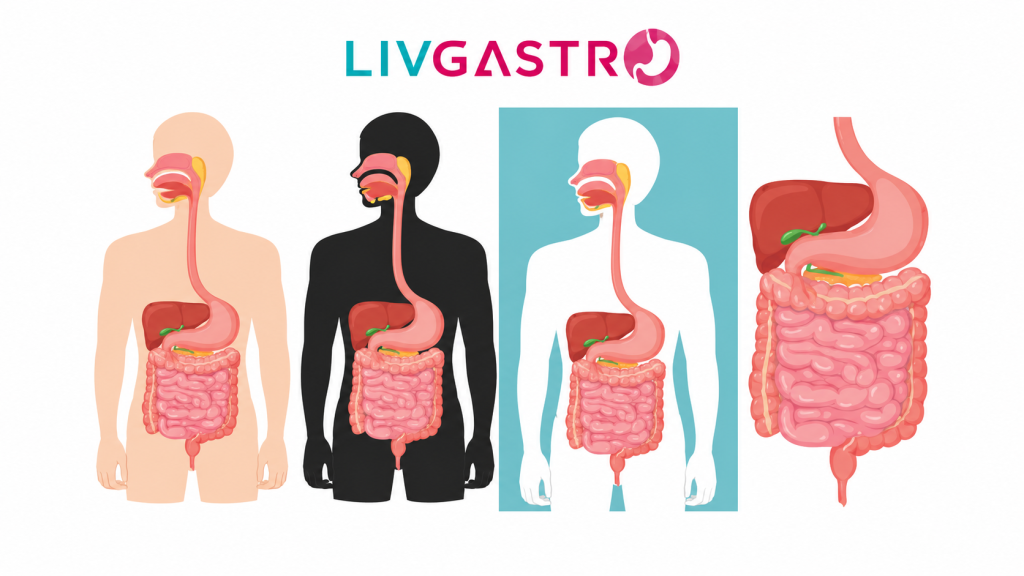
Healthy digestive system illustration with digestive organs, nutritious foods, and wellness concepts

Gastroenterology specialists in Kolkata are medical marvels, are medical specialists trained to diagnose and treat conditions affecting the digestive system. This includes the stomach, small and large intestines (colon), rectum, liver, pancreas, gallbladder, and bile ducts. They  provide care for a wide range of issues, including abdominal pain, acid reflux (GERD), ulcers, irritable bowel syndrome (IBS), Crohn’s disease, colitis, celiac disease, hepatitis B and C, pancreatitis, constipation, and chronic diarrhea.  If you’re searching for a gastroenterologist in Kolkata near me, it’s important to choose someone with the right expertise to accurately diagnose and manage your condition with personalized care.  These specialists play a crucial role in maintaining your digestive health. From performing colon cancer screenings to identifying early signs of gastrointestinal diseases, their work helps detect and manage problems before they become more serious. Gastroenterologists also offer practical guidance on diet and lifestyle changes to support a healthier gut.  Visiting a GI doctor can feel intimidating, but it doesn’t have to be. Here are a few things your gastroenterologist wants you to know before your next appointment. 1. A Gastroenterologist Wishes to Help You Feel Better Gastrointestinal problems can change a lot of things, such as how much energy you have and how sure you are of yourself. Gastroenterologists are here to find out what’s causing your pain and come up with a treatment plan that not only helps but also makes your life better. Your comfort is always the priority. 2. No Symptom Is Too Small Digestive issues often present in subtle ways, and sometimes even serious conditions can start with mild symptoms. That’s why no concern is too small to discuss. A qualified gastroenterology specialist in Kolkata will take every symptom seriously because even minor digestive troubles can disrupt your routine, comfort, and overall well-being.  3. We’re Experts in All Things Digestive Gastroenterologists undergo years of specialized training to diagnose and treat everything from common stomach issues to complex conditions like Crohn’s disease or ulcerative colitis. Whether it’s a minor concern or a chronic disorder, you can trust that you are in capable, experienced hands.  4. Treatment Isn’t One-Size-Fits-All There’s often more than one way to manage a digestive issue. That’s why we tailor treatment plans to fit your lifestyle, preferences, and medical needs. Together, we’ll find an approach that’s not only effective but also practical for your daily life. 5. We’re Here to Support Your Health GoalsThe  The digestive system plays a vital role in how your body absorbs nutrients. A skilled gastrologist in Kolkata is well-equipped to guide you on diet and nutrition. We can create a personalized plan to help you live healthier, whether you are trying to manage a condition, boost vitamin levels, or adjust your weight. Nutritional advice is often a key part of our treatment approach. 6. We Understand Food Intolerances—and How to Manage Them If you suspect a food intolerance, like gluten or lactose, we can help identify the cause and guide you through the next steps. From ensuring proper nutrition to offering practical tips for Grocery shopping and meal planning, we will help you avoid symptoms and feel confident in your food choices. 7. Nothing You Say Will Surprise Us Gastroenterologists have years of experience handling a wide range of digestive issues—nothing is too awkward or embarrassing. Whether it’s rectal pain, bleeding, or changes in bowel habits, your honesty aids us in identifying the underlying issue and delivering optimal care. 8. Screenings Can Be Lifesaving Early identification of colon cancer can lead to much better outcomes. While there are several ways to screen for abnormalities, colonoscopy remains the most reliable method, allowing us to detect and often treat issues in a single procedure. Talk to your GI doctor about when to begin regular screenings.  Prioritize Your Gut Health, Get Started Today  We, at LivGastro, are dedicated to delivering world-class gastrointestinal care, combining expert clinical experience with the latest advancements in digestive health. Our team is actively involved in continuous research to make sure patients benefit from the most up-to-date and effective GI treatments available. Whether you’re managing a chronic condition or seeking answers to new symptoms, we’re here to help with compassionate, personalized care.  If you’re searching for a trusted gastroenterologist in Kolkata near me, our specialists are here to support you. To schedule an appointment with our experienced gastroenterologist, contact the office closest to you or use our easy and convenient online request form. Your digestive health matters—and you can count on us for continuous support from start to finish.

Maldigestion and Malabsorption—How It Can Affect You Despite Eating Well Clone

Maldigestion and Malabsorption - By Livgastro Clinic

As a leading gastroenterology clinic in Kolkata, we at Livgastro widely diagnose cases where patients come with a complaint of frequent diarrhoea, and after diagnosis, it is revealed they have Maldigestion and Malabsorption. This is a common case among older patients over 60. This leads to malnutrition. Fancy, similar-sounding medical names can be confusing, and when they all end up in a stomach bug, it is even tougher to tell them apart. That’s the case of Malabsorption and Maldigestion. Whether you have heard of them or have no clue what they mean, here’s an insight from the desk of the best gastroenterologist in West Bengal to keep you aware that they are not the same thing, and they can affect you even if you eat a healthy and balanced diet. ■ Maldigestion: The inability of the small intestine to properly complete the luminal phase of digestion to break down food particles into enzymes. ■ Malabsorption: The inability of the small intestine to properly complete the mucosal phase and absorb nutrients from food into the bloodstream—often as a consequence of maldigestion. Although they can occur separately, maldigestion and malabsorption are frequently interdependent syndromes. Normal weakness, frequent digestive problems, and unexplained weight loss are some of the key warning signs that your body is not absorbing the nutrients from the food you eat. Do not neglect these “minor” issues. They can be closely related to more serious conditions like cystic fibrosis, celiac disease, or Crohn’s disease. Stay aware. Stay healthy. You can consult the best gastroenterologist in West Bengal right here at LivGastro. We offer an all-encompassing solution for diagnosis, treatment, and integrative liver gastro care. Eating Well and Nutrition—How Gut Health Impacts Digestion and Every Other Bodily Function Our gut health impacts every vital organ and function of the body. The pancreas, liver, and intestines are central to the digestive process and must work in sync. But when there is a disruption in this balance, such as the insufficiency of digestive enzymes in the body or prolonged gastrointestinal motility disturbances, it may be a precursor to maldigestion and malabsorption. You don’t need to be the best gastroenterologist in West Bengal to know how our body works like a machine. Just like any other mechanical process, our body needs an energy source—that’s the food we eat. Now, imagine if there were a malfunction in a mechanical part; the machine would stop working properly despite having an adequate supply of energy. That is exactly how it works for our digestive system. Dr Vijay Kumar Rai is the top stomach pain doctor in Eastern Metropolitan Bypass who works with Integrative treatment plans and navigates different aspects of gut health and how they impact individuals developing maldigestion and malabsorption. In many cases, people have difficulty with specific types of foods, like carbohydrates, intolerance of gluten, or excessive alcohol intake, that may interfere with enzyme activity or even cause cellular damage to the small intestine lining. Bacterial Malabsorption and Bile Acid Malabsorption (BAM) are also included in the aetiology. Maldigestion and Malabsorption Treatment in Kolkata Many people follow the drill of keeping over-the-counter medications in their pocket and self-treat their symptoms. Medication is not always the best answer. Below is a basic layout of our gastroenterology treatment in Kolkata for maldigestion and malabsorption. ■ Diagnosis: Understanding the underlying cause of madigestion and malabsorption is the first stage of treatment. We carry out tests like Serological (blood) tests and stool or faecal tests for exocrine pancreatic functions or evidence of steatorrhea (fat malabsorption). ■ Medical Treatment: Treating maldigestion and malabsorption has to go beyond medications. We favour integrative approaches to address each problem down to its root: Dietary modification is used to manage any food intolerances that cause the problem, particularly in cases of carbohydrate or protein malabsorption. ■ Any deficiency of enzymes or vitamins has to be supplemented to make up for them ■ Bile acid sequestrants are prescribed for Bile Acid Malabsorption (BAM) ■ Stomach infections are treated with antibiotics ■ Lifestyle Management: Sometimes lifestyle changes, eating habits, a combination of foods, and alcohol intake are vital factors that determine the treatment. Remember that treating malnutrition caused by either or both of maldigestion or malabsorption involves more than writing a prescription. At Livgastro, we ensure that each patient receives clear, personalised plans that combine medical treatment with nutrition guidance. In each case, the aim is not just to correct deficiencies but to restore strength, energy, and quality of life. Consult the Best Gastroenterologist in Kolkata for Maldigestion and Malabsorption Some of the common foods, like roti with aloo sabzi, pasta, and natural sugarcane sugars, cow milk, are some of the most common sources of carbs. In cases of deficient carbohydrate assimilation, bacteria can ferment in the small intestine, which may lead to malabsorption in the digestive process. So what happens when it does? You feel frequent bloating, diarrhoea, and abdominal pain. If you have it multiple times in short intervals, this is a good time to see a doctor. We at LivGastro have Dr Vijay Kmr. Rai and some of the best stomach pain doctors in Eastern Metropolitan Bypass are here with us to give you personalised support through every stage of healthcare. Diagnosing persistent symptoms is a vital part of effective treatments and our integrative liver gastro care. It gives doctors the time and scope to isolate the specific underlying issues of the ailment and prevent it from growing. Therefore, timely consultation with a specialist can make all the difference.  

We are committed to the prevention, diagnosis and treatment of diseases of the digestive tract and liver. We provide complete day care services related to gastro and liver diseases such as doctor consultation, pathology, radiology, endoscopy, diet and nutrition, pharmacy and alternative medicine under one roof.

WORKING HOURS

© 2026 | LivGastro | All Rights Reserved | Designed and Developed by KlickChamp