
Chronic Pancreatitis: Symptoms, Causes & Treatment

Chronic Pancreatitis: Symptoms, Causes & Treatment
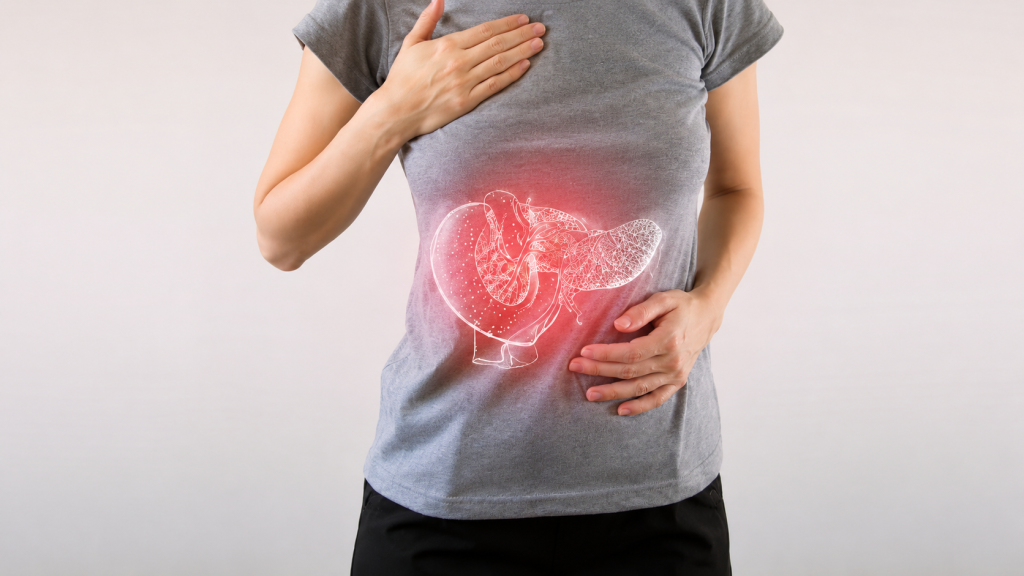
What is Chronic Pancreatitis?  Chronic (long-term) Pancreatitis constitutes undeviating inflammation of the pancreas that impairs your system’s ability to digest food properly and regulate the blood sugar level in your body. Although acute, short-term pancreatitis often gets cured through conservative treatment, chronic pancreatitis seldom gets permanently cured. As a matter of fact, the damage caused due to a high degree of alcoholism and other causes over an extended period of time leaves so much ill effect on the organ that no line of ethical treatment can provide enduring relief. However, acute abdominal pain and secondary symptoms can be managed through medication and other means to some extent.  What are the symptoms of chronic pancreatitis?  Symptoms are usually absent in the initial stage, which, however, occur as outlined below as the ailment progresses.  ■ Nausea and vomiting  ■ Upper abdominal pain  ■ Diarrhea  ■ Pale, yellowish, sticky stool  ■ Undue fatigue and too much thirst  ■ Inexplicable weight loss  However, as the disease progresses further, more alarming symptoms begin to appear that include:  ■ Typical yellowish discoloration in the eyes and the skin, indicating the onset of Jaundice  ■ Presence of pancreatic fluid in the abdomen  ■ Internal bleeding  ■ Intestinal blockage  ■ Unrelenting abdominal pain What causes chronic pancreatitis?  Although there could be numerous self-induced as well as inherited causes behind the onset of chronic pancreatitis in a person’s life, the commonest of all is alcohol abuse. Medical studies reveal that more than 70% of people affected by chronic pancreatitis have a long history of excessive alcohol consumption. However, some of the other causes that are also there are listed below:  ■ Blockage of the pancreatic duct either by gallstones or pancreatic stones  ■ Abdominal surgery  ■ High calcium levels in blood (hypercalcemia), which may have been caused by an overactive parathyroid gland (hyperparathyroidism)/li>  ■ High triglyceride level in blood (hypertriglyceridemia)  ■ Chronic infection that remained untreated  ■ Cystic fibrosis  ■ Autoimmune disease  ■ Excessive cigarette smoking  ■ Family history of pancreatitis  ■ Incredible, yet true – ERCP may lead to chronic pancreatitis. Wonder of all wonders – sometimes no cause is found at all!  How is chronic pancreatitis diagnosed?  Chronic Pancreatitis is not only difficult to treat but also difficult to diagnose. For instance, blood tests that normally reveal causes related to a lot of maladies prove to be of little value in diagnosing chronic pancreatitis, at least during the early stages of this deadly disease. However, blood tests do reveal the level of pancreatic enzymes in your blood. Nevertheless, some of the following tests are conducted to obtain more definite information, while imaging tests prove more helpful in diagnosing chronic pancreatitis.  ■ X-rays  ■ Ultrasound  ■ CT scans  ■ MRI scans  To obtain conclusive evidence of the extent of damage caused to your pancreas, doctors (gastroenterologists) also go for an endoscopic ultrasound. During the procedure, the doctor inserts a long, flexible tube into your mouth, down through your stomach, and right up to the small intestine. The tube contains an ultrasonic probe that emits sound waves that create detailed images of your pancreas on a monitor attached to it. What are the modes of Treatment for chronic pancreatitis?  To be honest about it, there isn’t much in the medical world to cure chronic pancreatitis, because the pancreas, like the liver, once damaged, cannot be recovered back to its original condition. However, medical help is available to manage the symptoms by way of medication, endoscopic therapies, and surgery.  Medications that are often prescribed to manage the symptoms include:  ■ Pain management medications to suppress agonizing abdominal pain  ■ Supplementary digestive enzymes if your enzyme levels are found to be much too meager for digesting food properly ■ Insulin if you become diabetic  ■ Steroids, if you happen to develop autoimmune pancreatitis  Endoscopic treatment of chronic pancreatitis has currently drawn benefits from endoscopic procedures previously practiced for the main bile duct. While endotherapy is widely acclaimed as the most accepted alternative to surgery, cyst drainage procedure today presents the largest step forward in that non-surgical approach, regardless of whether direct (through stomach or duodenum) or indirect through the papilla in the duodenum. Pancreatic duct drainage, associated with stone clearance, is also feasible, while the procedure gives similar results to surgery with lower morbidity.  Surgery, though not indicated for all, becomes inevitable for people who cannot endure excruciating abdominal pain that does not respond to pain-killing drugs. The only alternative then entails surgical removal of part of the organ.  Postscript:  People suffering from chronic pancreatitis should stay away from alcohol, even if hooch hasn’t been responsible for their dreaded illness, because it will exacerbate their sickness to a great extent. They should also refrain from smoking, as it would increase their risk of developing pancreatic cancer.

How an Expert Gastro Surgeon Can Help with Polyp Removal

Expert gastro surgeon performing a colonoscopy procedure for safe and effective polyp removal

When it comes to preserving gastrointestinal health, early diagnosis and treatment of anomalies might mean the difference. Polyps, which are abnormal growths on the inner lining of the colon or other regions of the gastrointestinal (GI) tract, are very critical to deal with as soon as possible. Many polyps are benign, but others have a likelihood of becoming malignant over time. Under such circumstances, booking the best gastrosurgeon in Kolkata is the right course of action. You have to find the most suitable expert team to get your polyp issues treated.  At LivGastro, we are one of the pioneering clinics of gastro-related treatments and surgeries in West Bengal. Our experts, under the able leadership of Dr. Vijay Kumar Rai, carry out precise surgical treatments through procedures like colonoscopy or esophagogastroduodenoscopy. We endeavor to perform swift removals of any size of polyps with state-of-the-art medical equipment.  In this article, we will look at how our professional gastrosurgeon can diagnose, manage, and remove polyps to help maintain long-term digestive health. Read on for some informative views. What Are Gastrointestinal Polyps?  Polyps are tiny clusters of cells that grow in the gastrointestinal tract’s lining, typically in the colon. While most polyps are innocuous, some forms, like adenomatous or serrated polyps, might progress to colorectal cancer if not removed. Thus, early discovery and removal are critical to avoiding difficulties. You can rely on our experienced stomach pain doctors in Kolkata for a swift diagnosis. They will inform you about the best course of action.  Most Common Polyps Symptoms  Polyps frequently produce no symptoms, which is why regular tests such as colonoscopies are essential. However, in some situations, they can cause symptoms like –  ■ Rectal bleeding  ■ Bowel habits change  ■ Abdominal pain  ■ Iron deficiency anemia (due to concealed blood loss)  The Role of a Gastro Surgeon in Polyp Removal A gastrosurgeon performs surgical treatments on the digestive system, which includes the esophagus, stomach, small intestine, colon, rectum, liver, and pancreas. Their understanding is essential when polyps are too big, unreachable, or difficult to remove using traditional non-surgical methods. If you are looking for the best gastroenterologist in West Bengal, we can help you out. Our clinic in Kolkata is your one-stop destination for relief from all gastrointestinal problems.  Here’s how a professional gastrosurgeon may help at every step of polyp management:  Accurate Diagnosis  Although a gastroenterologist’s screening colonoscopy usually results in initial identification, A surgeon may have to get involved if –  ■ The polyp is found in a difficult-to-reach area.  ■ The findings of a biopsy are not clear.  ■ One suspects early-stage cancer.  Working with the evaluation team, a gastrosurgeon evaluates imaging tests (such as CT colonography) and may advise additional investigative techniques like endoscopic ultrasonography (EUS) to better grasp the type, size, and depth of the polyp. Choosing the Best Approach  Not every polyp calls for surgical removal. When they do, though, a gastrosurgeon chooses the most sensible and efficient approach. The choice is based on elements including –  ■ Polyp category and size  ■ Its positioning in the GI tract  ■ Medical history and general condition of the patient  ■ Malignancy risk  When feasible to save recovery time and problems, the best gastrosurgeon in Kolkata would usually advise minimally invasive approaches.  Techniques for Removing Polyps Through Surgery To get rid of polyps, a gastrosurgeon may do some of the following:  Endoscopic polyps removal – An improved endoscopic polypectomy may be done on polyps that are smaller or easier to get to by the surgeon. To get rid of the polyp, a thin, flexible tube with a camera and tools is put into the stomach. Different kinds of tools, like snares or electrocautery loops, can be used. Endoscopic Mucosal Resection (EMR) – EMR or endoscopic mucosal resection is used to lift and remove polyps from the mucous layer when they are flat or larger. This method cuts down on the need for more invasive surgeries. Our stomach pain doctors in Kolkata are EMR experts who can ensure optimal results. Endoscopic Submucosal Dissection (ESD) – This is a more advanced technique that is used when polyps are thought to have early-stage cancer. To do this, the polyp has to be carefully cut out of the lower levels while the surrounding tissue is kept intact. Laparoscopic Surgery – Laparoscopic surgery may be needed if the polyp is big, in a hard-to-reach place, or if there is a good chance that it is cancerous. Small cuts are made, and a camera is used to guide the tools for accurate removal. Segmental Colectomy – Sometimes, a piece of the colon may need to be medically removed if there are a lot of polyps or if they are dangerous. This is more painful, but it can save your life by stopping the cancer from spreading. Care and Follow-Up After Surgery  A competent gastrosurgeon makes sure that their patients get all the care they need after surgery. This includes –  ■ Keeping an eye out for illness or bleeding  ■ Taking care of your food and pain during healing  ■ Making sure that normal gut movement returns  ■ Doing follow-up colonoscopies to see if the problem comes back  ■ Getting doctors to work together on test analysis  ■ If the polyp was dangerous, you might need more treatment, like chemotherapy or bigger surgery ■ Your surgeon is the most important person in figuring out what to do next and, if necessary, sending you to the right experts. Why Hiring an Experienced Gastrosurgeon is a Good Idea  The difficulty of removing polyps shows how important it is to pick a surgeon with the right skills and experience. This is why:  ■ Precision: When polyps are removed by a skilled surgeon, they are less likely to come back or cause other problems. ■ Safety: Handling by a professional lowers the risk to nearby organs and tissues.  ■ Personalized care: Care that is tailored to your specific needs: they change methods to fit your wants, which leads to

We are committed to the prevention, diagnosis and treatment of diseases of the digestive tract and liver. We provide complete day care services related to gastro and liver diseases such as doctor consultation, pathology, radiology, endoscopy, diet and nutrition, pharmacy and alternative medicine under one roof.

WORKING HOURS

© 2026 | LivGastro | All Rights Reserved | Designed and Developed by KlickChamp