
Chronic Pancreatitis: Symptoms, Causes & Treatment
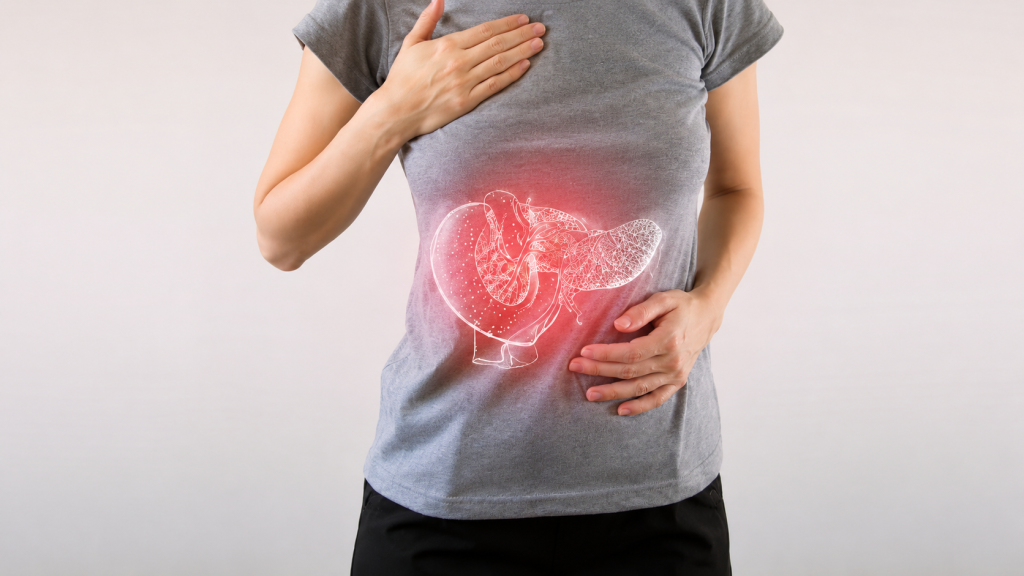
What is Chronic Pancreatitis? Chronic (long-term) Pancreatitis constitutes undeviating inflammation of the pancreas that impairs your system’s ability to digest food properly and regulate the blood sugar level in your body. Although acute, short-term pancreatitis often gets cured through conservative treatment, chronic pancreatitis seldom gets permanently cured. As a matter of fact, the damage caused due to a high degree of alcoholism and other causes over an extended period of time leaves so much ill effect on the organ that no line of ethical treatment can provide enduring relief. However, acute abdominal pain and secondary symptoms can be managed through medication and other means to some extent. What are the symptoms of chronic pancreatitis? Symptoms are usually absent in the initial stage, which, however, occur as outlined below as the ailment progresses. ■ Nausea and vomiting ■ Upper abdominal pain ■ Diarrhea ■ Pale, yellowish, sticky stool ■ Undue fatigue and too much thirst ■ Inexplicable weight loss However, as the disease progresses further, more alarming symptoms begin to appear that include: ■ Typical yellowish discoloration in the eyes and the skin, indicating the onset of Jaundice ■ Presence of pancreatic fluid in the abdomen ■ Internal bleeding ■ Intestinal blockage ■ Unrelenting abdominal pain What causes chronic pancreatitis? Although there could be numerous self-induced as well as inherited causes behind the onset of chronic pancreatitis in a person’s life, the commonest of all is alcohol abuse. Medical studies reveal that more than 70% of people affected by chronic pancreatitis have a long history of excessive alcohol consumption. However, some of the other causes that are also there are listed below: ■ Blockage of the pancreatic duct either by gallstones or pancreatic stones ■ Abdominal surgery ■ High calcium levels in blood (hypercalcemia), which may have been caused by an overactive parathyroid gland (hyperparathyroidism)/li> ■ High triglyceride level in blood (hypertriglyceridemia) ■ Chronic infection that remained untreated ■ Cystic fibrosis ■ Autoimmune disease ■ Excessive cigarette smoking ■ Family history of pancreatitis ■ Incredible, yet true – ERCP may lead to chronic pancreatitis. Wonder of all wonders – sometimes no cause is found at all! How is chronic pancreatitis diagnosed? Chronic Pancreatitis is not only difficult to treat but also difficult to diagnose. For instance, blood tests that normally reveal causes related to a lot of maladies prove to be of little value in diagnosing chronic pancreatitis, at least during the early stages of this deadly disease. However, blood tests do reveal the level of pancreatic enzymes in your blood. Nevertheless, some of the following tests are conducted to obtain more definite information, while imaging tests prove more helpful in diagnosing chronic pancreatitis. ■ X-rays ■ Ultrasound ■ CT scans ■ MRI scans To obtain conclusive evidence of the extent of damage caused to your pancreas, doctors (gastroenterologists) also go for an endoscopic ultrasound. During the procedure, the doctor inserts a long, flexible tube into your mouth, down through your stomach, and right up to the small intestine. The tube contains an ultrasonic probe that emits sound waves that create detailed images of your pancreas on a monitor attached to it. What are the modes of Treatment for chronic pancreatitis? To be honest about it, there isn’t much in the medical world to cure chronic pancreatitis, because the pancreas, like the liver, once damaged, cannot be recovered back to its original condition. However, medical help is available to manage the symptoms by way of medication, endoscopic therapies, and surgery. Medications that are often prescribed to manage the symptoms include: ■ Pain management medications to suppress agonizing abdominal pain ■ Supplementary digestive enzymes if your enzyme levels are found to be much too meager for digesting food properly ■ Insulin if you become diabetic ■ Steroids, if you happen to develop autoimmune pancreatitis Endoscopic treatment of chronic pancreatitis has currently drawn benefits from endoscopic procedures previously practiced for the main bile duct. While endotherapy is widely acclaimed as the most accepted alternative to surgery, cyst drainage procedure today presents the largest step forward in that non-surgical approach, regardless of whether direct (through stomach or duodenum) or indirect through the papilla in the duodenum. Pancreatic duct drainage, associated with stone clearance, is also feasible, while the procedure gives similar results to surgery with lower morbidity. Surgery, though not indicated for all, becomes inevitable for people who cannot endure excruciating abdominal pain that does not respond to pain-killing drugs. The only alternative then entails surgical removal of part of the organ. Postscript: People suffering from chronic pancreatitis should stay away from alcohol, even if hooch hasn’t been responsible for their dreaded illness, because it will exacerbate their sickness to a great extent. They should also refrain from smoking, as it would increase their risk of developing pancreatic cancer.
Liver Cirrhosis: Symptoms, Causes & Treatment

What is Cirrhosis Liver cirrhosis, or cirrhosis, denotes a disease condition where the liver fails to function due to extensive damage over a long period of time, involving loss of liver cells, as well as irreversible scarring of the liver. Even though at the initial stage, symptoms are negligible or nil, manifestations appear in rapid succession as the disease progresses. These include fluid buildup in the abdomen, spider-like blood vessels on the skin, swelling in lower legs, and many more that are being discussed in detail next, while the patient becomes weak, loses appetite, and develops yellowish skin (Jaundice). Likely to prove fatal if not treated early. What are the symptoms of Cirrhosis? Cirrhosis symptoms may be grouped under two heads: symptoms that have resulted from failure of the liver cells and those that have occurred due to portal hypertension (secondary). Manifestations caused by the failure of the liver cells: ■ Spider angiomata or spider nevi are vascular lesions comprising a central arteriole, surrounded by many smaller vessels, occurring due to an increase in estradiol. (The formation suggests the title). ■ Palmar erythema denotes the reddening of the palms at the thenar and hypothenar eminences, caused by increased estrogen. ■ Gynecomastia denotes an increase in the breast gland in males, caused by increased estradiol. However, this is neither related to increased breast fat nor can it be called cancerous. ■ Hypogonadism denotes a decrease in sex hormones, leading to loss of libido, impotence, and testicular atrophy, resulting from suppression of hypothalamic/pituitary functions. However, this is associated with cirrhosis on account of alcoholism and hemochromatosis. ■ Abnormal liver dimensions – Enlarged as well as shrunken. ■ Ascites denotes fluid accumulation in the peritoneal cavity, giving rise to flank dullness. ■ Fetor hepaticus, denoting musty breath odor, is caused by increased dimethyl sulfide. ■ Jaundice, denoting yellowish discoloration of the skin and eyes, is caused by increased bilirubin. Manifestations caused by portal hypertension Cirrhosis (liver cirrhosis) enhances resistance to blood flow and higher pressure in the portal venous system, which causes portal hypertension, the effects of which are listed below. ■ Splenomegaly denotes an enlarged spleen. 35% to 50% patients present this picture. ■ Esophageal varices result from collateral portal blood flow through vessels in the stomach and esophagus. However, when these blood vessels become enlarged (known as varices) they are prone to rupture. This often leads to copious bleeding, which can be fatal unless immediate medical aid is made available. ■ Caput medusa relates to dilated periumbilical collateral veins associated with portal hypertension. Blood from the portal veins may be moved through these veins, and eventually to the abdominal wall veins, manifesting a model that somehow resembles the head of MEDUSA, a Greek mythological monster. ■ Cruveilhier-Baumgarten Murmur denotes venous hum that can be heard in the epigastric region (through a stethoscope) caused by collateral connections forming between the portal system and the periumbilical veins (due to portal hypertension). What causes Liver Cirrhosis? Cirrhosis is mostly caused by excessive alcohol consumption, hepatitis B, hepatitis C, as also non-alcoholic fatty liver disorders. However, the latter is again associated with obesity, high blood pressure, high body fat, and diabetes. Some of the less common causes include autoimmune hepatitis, primary biliary cirrhosis, hemochromatosis, gallstones, and certain types of medications. Cirrhosis is also typified by the substitution of normal liver tissue with scar tissue. These result in loss of liver function. How is Liver Cirrhosis diagnosed? Even though the gold standard for diagnosis of cirrhosis is liver biopsy through a percutaneous, transjugular, laparoscopic, or fine-needle method, doctors currently insist on imaging as the best diagnostic approach. However, some of these approaches are outlined below. Ultrasound is customarily used in the evaluation of cirrhosis. It may show a small and nodular liver in advanced cirrhosis, along with increased echogenicity with irregularly appearing areas. Other findings suggestive of cirrhosis in imaging are an enlarged caudate lobe, widening of the liver fissures, and enlargement of the spleen. An enlarged spleen, which normally measures less than 11–12 cm in adults, is suggestive of cirrhosis with portal hypertension in the right clinical setting. Ultrasound may also screen for hepatocellular carcinoma, portal hypertension, and Budd-Chiari syndrome (by assessing flow in the hepatic vein). Other tests performed in particular circumstances include abdominal CT and liver/bile duct MRI (MRCP). Gastroscopy (endoscopic examination of the esophagus, stomach, and duodenum) is performed in patients with established cirrhosis to exclude the possibility of esophageal varices. If these are found, prophylactic local therapy may be applied (sclerotherapy or banding), and beta-blocker treatment may be commenced. What are the lines of treatment for Cirrhosis? Since no cure exists for biliary cirrhosis, treatment generally focuses on slowing down the progress of the disease, relieving symptoms as much as possible, and preventing further complications. However, researchers are continuing to explore new drugs for treating primary biliary cirrhosis. Immunosuppressant drugs, especially methotrexate (Trexall, Rheumatrex) and colchicine (Colcrys) have been extensively tried, but their efficacy is yet to be proved.
Fatty Liver Disease: Symptoms, Diagnosis & Treatment
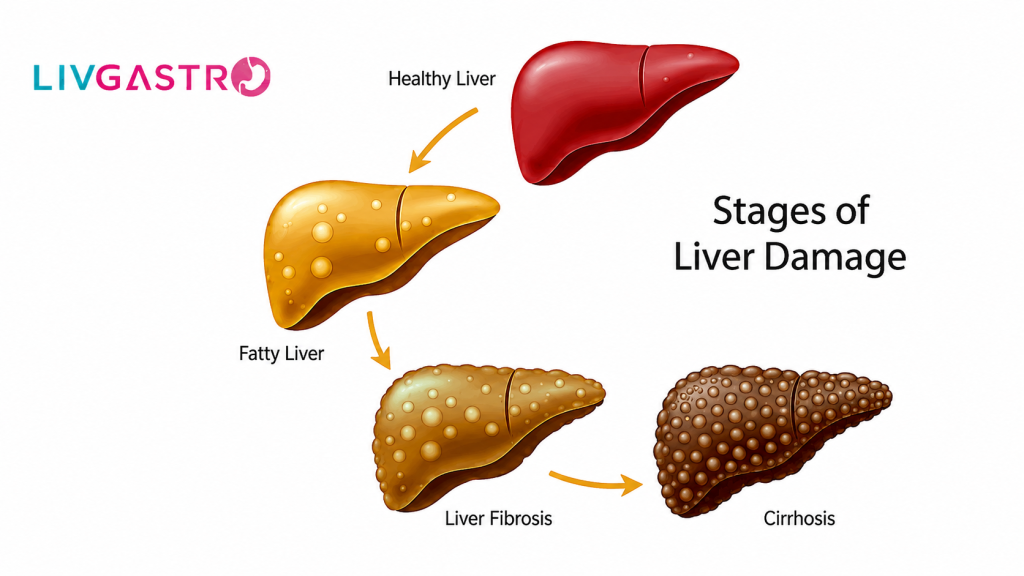
Fatty Liver, as the name suggests, is the excessive build-up of fat in the liver of about 5-10% of the liver’s weight. Most of the time, it’s not a serious concern, but in some cases, it is something to fret about, as it leads to liver damage. It starts with inflammation, causing the tissues to damage. The medical term for this first stage is steatohepatitis. In the second stage, scar tissue begins to form, which in turn damages the liver. Doctors call it fibrosis. In the third and final stage, the healthy tissues get replaced by extensive scar tissue. This is when cirrhosis of the liver occurs. It is a final blow to the liver, whereby liver functioning starts slowing down. Sooner or later, the liver function gets blocked entirely. According to the Cleveland Clinic, this cirrhosis transpires into liver cancer or liver failure in patients. Do you now get why fatty liver disease is a thing to panic about? Forms of Fatty Liver Disease Fatty liver disease has two primary forms: Alcohol-induced – As hinted, it is caused by heavy drinking. Non-alcoholic – Alternatively called NAFLD or Non-Alcoholic Fatty Liver Disease, the cause is still unknown, but diabetes and obesity have been said to increase the risk of occurrence. Symptoms to Pay Attention The symptoms of fatty liver are often silent unless the disease progresses to liver cirrhosis. The signs to watch out for are: ■ Weight loss, appetite loss, and nausea ■ Extreme weakness, exhaustion, and mental confusion ■ Jaundice ■ Abdominal pain, especially in the upper right side of the abdomen ■ Edema or swollen legs and abdomen If you ever feel any of the symptoms above, be prompt and book an appointment with a hepatologist for diagnostic services. The next section covers the Liver function tests, or a diagnosis that a doctor may order. Diagnosis Fatty liver silently creeps in, and for a layperson, it is challenging to spot the same. However, a doctor can easily determine the condition by noticing the elevation in liver enzymes from blood tests done for other ailments. To map the liver injury, a doctor often orders the tests mentioned below: ■ A liver biopsy to check the stage the liver disease has reached ■ Ultrasound or a CT Scan to examine the liver condition ■ FibroScan to determine the fat content in the liver Treatment for Fatty Liver Disease Unfortunately, there is no medication for treating fatty liver disease. Doctors primarily advise altering lifestyles to improve health conditions. Therefore, the treatment mostly comprises the following: ■ Reducing weight ■ Intake of thiazolidinediones or vitamin E ■ Avoiding alcohol consumption ■ Intake of medications to control cholesterol, diabetes, and triglycerides How to Prevent Fatty Liver Disease? If you have not been hit by fatty liver disease, you can do the following to maintain your overall health: ■ Get yourself involved in regular exercise ■ Maintain a healthy weight ■ Take prescribed medications ■ Put a check on alcohol consumption Reverse Your Fatty Liver Disease! Yes, you read it right. It can be either through a weight loss program or by avoiding alcohol. A Mediterranean diet, where one needs to consume lots of vegetables, fruits, and good fats, can lead to steady weight loss. So, if you are living with the ailment, don’t worry! Just make sure it never progresses into liver cirrhosis, and even if it does, go for immediate treatment to prevent liver failure or cancer.
Capsule Endoscopy: What Gastroenterologists Want You to Know
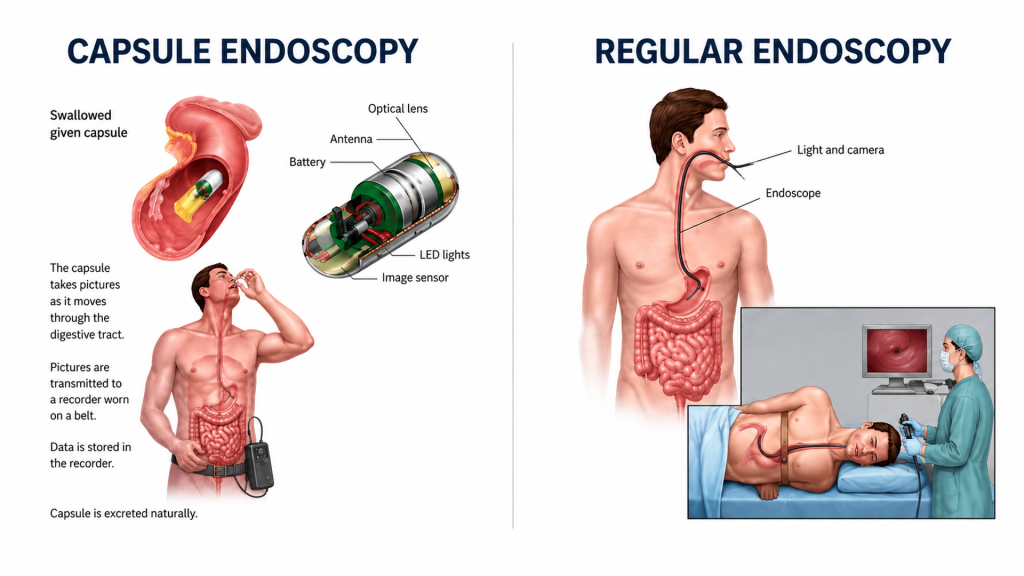
You have probably had a colonoscopy recommended, or perhaps an upper endoscopy. What about the stretch of digestive tract in between – the small intestine – that stretches nearly six metres and sits largely out of reach of conventional scopes? That’s where capsule endoscopy comes in. If you have been dealing with persistent abdominal pain, unexplained bleeding, or recurring digestive discomfort and have not found answers yet, consulting the best gastroenterologist you can find might lead you straight to this procedure. It’s less intimidating than it sounds, and it often reveals what everything else misses. What is Capsule Endoscopy and How Does It Work? Capsule endoscopy is a diagnostic procedure in which you swallow a small capsule — roughly the size of a large vitamin tablet — containing a tiny camera, a light source, and a radio transmitter. Once swallowed, the capsule travels naturally through your digestive tract, from the oesophagus down to the small intestine, capturing around 10,000 photographs along the way. These images are transmitted wirelessly to a small receiver worn around your waist. The whole process takes about eight hours, after which the capsule passes out of your body through stool. Before the procedure, your doctor will administer laxatives to clear the digestive system of food debris. So the camera can capture clear images. There’s no sedation involved. You simply swallow the capsule and go about your day as usual while it does its work inside. What Conditions Can Capsule Endoscopy Detect? This is where capsule endoscopy earns its reputation. It’s particularly effective at identifying problems in the small intestine that standard endoscopy and colonoscopy cannot reach. Conditions it can help diagnose include: ■ Unexplained gastrointestinal bleeding — when upper endoscopy and colonoscopy have drawn a blank ■ Crohn’s disease — especially early-stage or small bowel involvement ■ Intestinal tumours — both benign and malignant growths ■ Angiodysplasias — abnormal blood vessels in the gut wall ■ Celiac disease — where damage to the small intestinal lining needs to be assessed ■ Colon polyps and inflammatory bowel disease (IBD) Symptoms that might prompt a referral to the best gastroenterologist for this test include abdominal cramping, blood in the stool, persistent diarrhoea, chronic fatigue linked to unexplained anaemia, or significant unintended weight loss. Who is Capsule Endoscopy For? Capsule endoscopy is recommended for a fairly specific group of patients — those for whom conventional diagnostic methods have been inconclusive or insufficient. ■ People who have been bleeding somewhere in the gut, and other tests have come up empty ■ Those with suspected or confirmed Crohn’s disease, where the small bowel needs a proper look ■ Anyone dealing with ongoing abdominal pain or weight loss that has not been explained yet ■ Patients keeping an eye on existing polyps or intestinal growths ■ Those with persistent diarrhoea or signs that the body isn’t absorbing nutrients the way it should — celiac disease being a common culprit One thing worth knowing: if you have a history of narrowing or blockages in the intestine, your doctor will want to discuss this before proceeding. There’s a small chance the capsule could get lodged, so your gastroenterologist will review your history and decide whether the procedure is right for you. How is Capsule Endoscopy Different from a Regular Endoscopy? The most obvious difference is comfort. There’s no scope insertion, no sedation, and no recovery time needed afterwards. You swallow a pill and carry on. That said, capsule endoscopy does have limitations worth understanding: The capsule cannot perform therapeutic interventions — it cannot take biopsies or remove polyps If the capsule moves too quickly, images may be blurred or incomplete If battery life runs out before the capsule completes its journey, areas may be missed Pinpointing the exact location of an abnormality can sometimes be difficult These are procedural realities, not reasons to avoid it. In many cases, capsule endoscopy remains the most practical and informative way to evaluate the small bowel — and that makes it invaluable. Book Your Capsule Endoscopy at LivGastro — Kolkata’s Trusted Gastroenterology Hospital At LivGastro, every capsule endoscopy is overseen by Dr. Vijay Kumar Rai — a gastroenterologist recognised by both the American College of Gastroenterology and the American Society of GI Endoscopy. That’s not just a line on a CV — it means the person overseeing your diagnosis is trained to international standards. We use equipment sourced from Germany, Japan, and America, and every test is carried out by qualified doctors, not left to junior staff. If you’ve been looking up “acidity doctor near me” or trying to find a gastroenterology hospital in Kolkata where you can actually trust who’s doing your tests, LivGastro is worth a visit. All diagnostic procedures at LivGastro are conducted by highly trained doctors under Dr. Rai’s supervision, and results are delivered promptly so your care can move forward without delay. We provide complete day care gastro and liver services — consultation, diagnostics, pharmacy, and nutrition — all under one roof. Reach us at +91 9147105221 or WhatsApp 9369120028 to book your appointment. We are available Monday to Saturday, 8 am to 10 pm.
8 Things You Should Know About Digestive Health
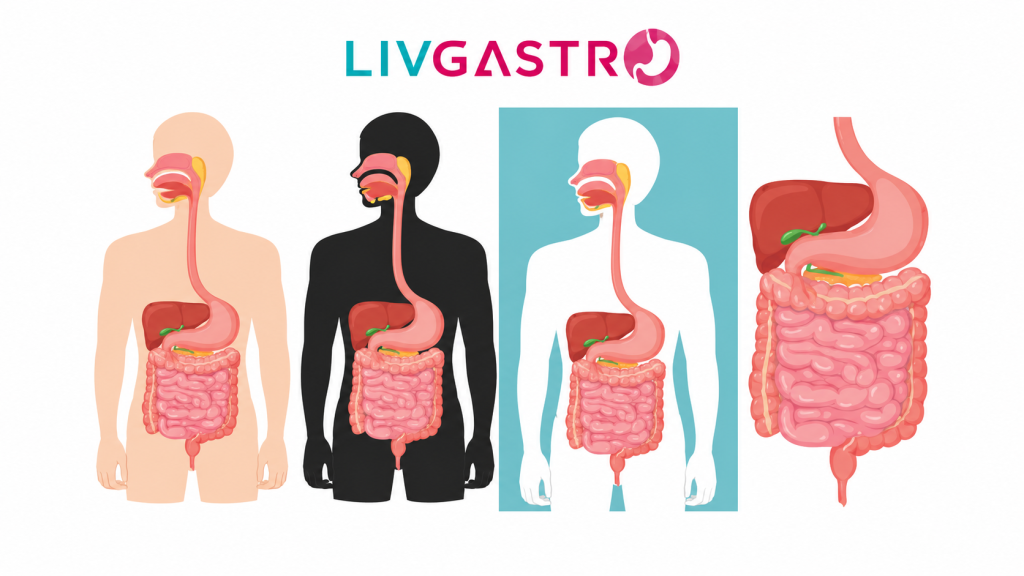
Gastroenterology specialists in Kolkata are medical marvels, medical specialists trained to diagnose and treat conditions affecting the digestive system. This includes the stomach, small and large intestines (colon), rectum, liver, pancreas, gallbladder, and bile ducts. They provide care for a wide range of issues, including abdominal pain, acid reflux (GERD), ulcers, irritable bowel syndrome (IBS), Crohn’s disease, colitis, celiac disease, hepatitis B and C, pancreatitis, constipation, and chronic diarrhea. If you’re searching for a gastroenterologist near me in Kolkata, it’s important to choose someone with the right expertise to accurately diagnose and manage your condition with personalized care. These specialists play a crucial role in maintaining your digestive health. From performing colon cancer screenings to identifying early signs of gastrointestinal diseases, their work helps detect and manage problems before they become more serious. Gastroenterologists also offer practical guidance on diet and lifestyle changes to support a healthier gut. Visiting a GI doctor can feel intimidating, but it doesn’t have to be. Here are a few things your gastroenterologist wants you to know before your next appointment. 1. A Gastroenterologist Wishes to Help You Feel Better Gastrointestinal problems can change a lot of things, such as how much energy you have and how sure you are of yourself. Gastroenterologists are here to find out what’s causing your pain and come up with a treatment plan that not only helps but also makes your life better. Your comfort is always the priority. 2. No Symptom Is Too Small Digestive issues often present in subtle ways, and sometimes even serious conditions can start with mild symptoms. That’s why no concern is too small to discuss. A qualified gastroenterology specialist in Kolkata will take every symptom seriously because even minor digestive troubles can disrupt your routine, comfort, and overall well-being. 3. We’re Experts in All Things Digestive Gastroenterologists undergo years of specialized training to diagnose and treat everything from common stomach issues to complex conditions like Crohn’s disease or ulcerative colitis. Whether it’s a minor concern or a chronic disorder, you can trust that you are in capable, experienced hands. 4. Treatment Isn’t One-Size-Fits-All There’s often more than one way to manage a digestive issue. That’s why we tailor treatment plans to fit your lifestyle, preferences, and medical needs. Together, we’ll find an approach that’s not only effective but also practical for your daily life. 5. We’re Here to Support Your Health Goals The digestive system plays a vital role in how your body absorbs nutrients. A skilled gastroenterologist in Kolkata is well-equipped to guide you on diet and nutrition. We can create a personalized plan to help you live healthier, whether you are trying to manage a condition, boost vitamin levels, or adjust your weight. Nutritional advice is often a key part of our treatment approach. 6. We Understand Food Intolerances—and How to Manage Them If you suspect a food intolerance, like gluten or lactose, we can help identify the cause and guide you through the next steps. From ensuring proper nutrition to offering practical tips for Grocery shopping and meal planning, we will help you avoid symptoms and feel confident in your food choices. 7. Nothing You Say Will Surprise Us Gastroenterologists have years of experience handling a wide range of digestive issues—nothing is too awkward or embarrassing. Whether it’s rectal pain, bleeding, or changes in bowel habits, your honesty aids us in identifying the underlying issue and delivering optimal care. 8. Screenings Can Be Lifesaving Early identification of colon cancer can lead to much better outcomes. While there are several ways to screen for abnormalities, colonoscopy remains the most reliable method, allowing us to detect and often treat issues in a single procedure. Talk to your GI doctor about when to begin regular screenings. Prioritize Your Gut Health, Get Started Today We at LivGastro are dedicated to delivering world-class gastrointestinal care, combining expert clinical experience with the latest advancements in digestive health. Our team is actively involved in continuous research to make sure patients benefit from the most up-to-date and effective GI treatments available. Whether you’re managing a chronic condition or seeking answers to new symptoms, we’re here to help with compassionate, personalized care. If you’re searching for a trusted gastroenterologist in Kolkata near me, our specialists are here to support you. To schedule an appointment with our experienced gastroenterologist, contact the office closest to you or use our easy and convenient online request form. Your digestive health matters—and you can count on us for continuous support from start to finish.
Belching: Causes, Symptoms & Diagnosis
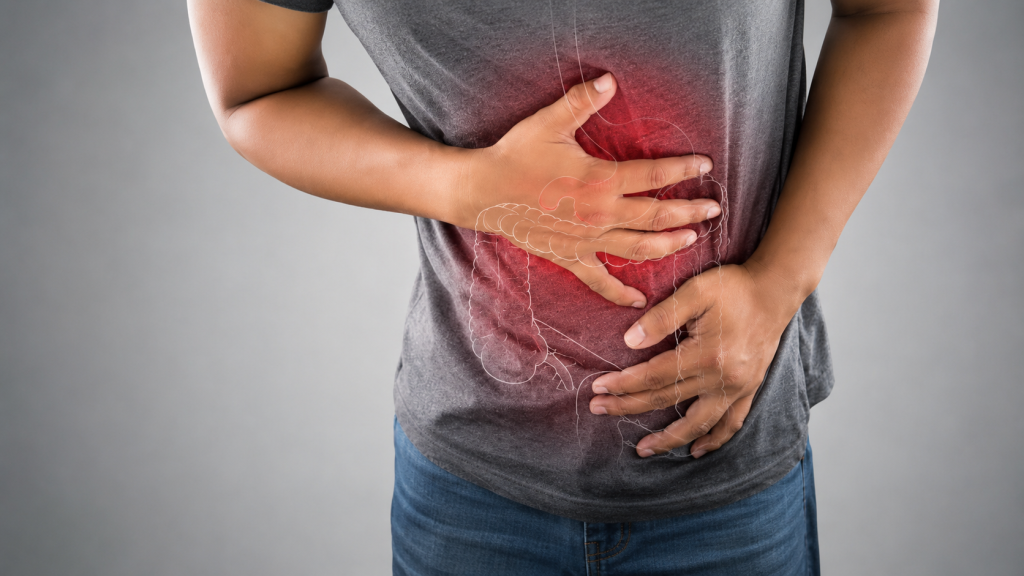
Belching involves expulsion of gas from the esophagus (and stomach) through the mouth (after a meal), resulting in the distinctive resonance known as Burp! Among certain ethnic groups, dinner receptions are not considered gratifying unless the guests belch loudly while leaving the table. Nevertheless, we all belch after consuming a hearty meal, which provides some comfort and satisfaction as the expelled gas brings relief to the distended stomach somewhat filled by swallowed air. However, too much or excessive belching can be a cause of concern needing medical attention by a gastroenterologist, such as Dr. V.K. Rai, since there are several medical conditions that may cause this wacky malady, calling for prompt diagnosis and treatment, if necessary. Medical Conditions Causing Excessive Burping Hiatal Hernia – A hiatal hernia that causes excessive burping occurs if and when the upper part of a person’s stomach pushes up through the diaphragm, reaching the chest region. Normally, the stomach remains below the diaphragm, but in people with a hiatal hernia, a part of the stomach pushes up through the diaphragm, while the opening it moves through is called a hiatus, and hence the name. However, when part of the stomach pushes up through the diaphragm, it remains at the same level as the lungs. But when the pressure drops in the chest cavity due to muscle movement (as a person breathes in), the same effect happens in this part of the stomach, pulling air in. On breathing out, the chest pressure changes, the lungs expel the air, but the bizarrely located stomach does not want to let go, thus making it uncomfortable for the person who feels the urge to belch for relief. Hiatal hernia may be diagnosed by a Gastroenterologist such as Dr. V.K. Rai, MD, in the following ways… ■ Barium X-ray – The gastroenterologist may have you drink a liquid with barium in it before taking an X-ray. This X-ray provides a clear silhouette of your upper digestive tract. The image allows the gastroenterologist to see the location of your stomach. If it’s protruding through your diaphragm, you have a hiatal hernia. ■ Endoscopy – The gastroenterologist may slide a thin tube down your throat and pass it down to your esophagus and stomach. He/she will then be able to see if your stomach is pushing through your diaphragm. Any strangulation or obstruction will also be visible. GERD – Acid reflux or gastroesophageal reflux disease (GERD) can oftentimes cause excessive belching by promoting increased swallowing. Chronic belching may be related to inflammation of the stomach lining (gastritis) or to an infection with Helicobacter pylori, the bacterium responsible for some stomach ulcers. In these cases, the belching is accompanied by other symptoms, such as heartburn or abdominal pain. Diagnosing GERD involves three basic tests: (a) Upper Endoscopy, (b) Esophageal pH monitoring, and (c) Manometry, to be conducted by a gastroenterologist, such as Dr. V.K. Rai, MD for the following reasons. ■ Upper Endoscopy: An upper endoscopy can be used to determine the cause of heartburn and is often performed as an outpatient procedure. ■ Esophageal pH Test: The esophageal pH test is commonly used to help confirm the diagnosis of GERD or to identify the cause of various symptoms. ■ Esophageal Manometry: Esophageal manometry is an outpatient test that can identify problems with movement and pressure in the esophagus that may lead to problems like heartburn. Swallowing air – Bad or harmful habits cause excessive belching, too. These include overindulgence in drinking carbonated beverages, particularly when drinking with a ‘straw’. Also, people who eat and drink quickly, or when they are on the go. Chain smokers fall in this category in no uncertain way. Indigestion – Indigestion and heartburn can cause excessive belching, while the latter can stem from acid reflux, whether as a symptom of peptic ulcer, or a sign that last night’s spicy meal did not agree with your stomach lining. When acid moves back up the esophagus from the stomach, as in GERD, people often swallow frequently as a way to relieve some of the discomfort and then have to belch. Continuous swallowing causes more air to enter the system, which in turn causes more belching. Gastroparesis – A medical condition called gastroparesis can lead to excessive belching. Gastroparesis, sometimes referred to as delayed gastric emptying, is a condition in which food remains in the stomach longer than it should because the stomach’s muscles become weak or are damaged. Weak stomach muscles become unable to push food to the next stage of digestion. Undigested food that remains in the stomach can cause nausea, vomiting, and excessive burping, too. Postscript Belching is a normal human phenomenon associated with the ingestion of food and starts from the very primary stage, i.e., with newborn babies. However, when it gets beyond control or becomes unmanageably excessive, one needs medical intervention, especially by a senior Gastroenterologist like Dr. V.K. Rai.
Warning Signs You Should See a Gastroenterologist in Kolkata
Keeping your digestive system in an optimal condition is easier said than done. The rigors of fast-paced modern lives and scarce opportunities for meal prep create and compound issues. If you are facing any recurring abdominal pain, ignoring it can backfire badly. Getting a check-up done without delay is essential to prevent major health conditions. Your endless search for the best gastroenterologist near me needs a tangible solution. Getting help from licensed gastro specialists should be the top priority. Reputed Gastroenterologist Clinic in Kolkata LivGastro provides a comprehensive selection of specialized treatments for a whole host of ailments. We are here to help, with our team of highly qualified doctors under the capable guidance of Dr. Vijay Rai. Rely on us for effective treatments for fatty liver, peptic ulcer, bile duct stone, diarrhea, IBD, pancreatitis, and other conditions. Get in touch to seek a consultation. So, how often should you see a gastroenterologist? What are the telltale signs that should not be ignored? Read on to gain a clear idea. Reputed Gastroenterologist Clinic in Kolkata How do you know when you must see the best gastroenterologist in Kolkata? Read on to explore some of the most convincing signs and symptoms below. ■ Persistent heartburn and acid reflux—Severe heartburn creates one of the most uncomfortable feelings within one’s throat and chest. The root cause of it can be GERD or gastroesophageal reflux disease. Acid reflux is another condition that many individuals tend to suffer from. This can be a result of underlying issues such as Barrett’s esophagus or osteophagitis. If you are facing any of these symptoms, seeing a gastroenterologist is quite necessary. ■ Abdominal Pain That Can’t Be Explained— Having stomach aches once in a long while is normal. But if the pain lasts for a long time or is very bad, you should not ignore it. It could be a sign of you having ulcers, gallbladder disease, irritable bowel syndrome (IBS), or even inflammatory bowel disease (IBD). Visit a top gastroenterologist in Kolkata right away if you also feel sick frequently, are vomiting, have a fever, or are losing weight. ■ Sudden Bowel Pattern Changes—Sudden and recurring diarrhea and constipation are signs of digestive issues. Any radical changes in your bowel movement patterns are a definite cause for concern. These are indicators for conditions like ulcerative colitis, IBS, Crohn’s disease, or colorectal cancer. If these issues continue, it is time to see a top gastroenterologist in Kolkata. Our clinic has state-of-the-art diagnostic treatment equipment for assessing all gastro-related issues. ■ Swallowing Problems—If you are having trouble swallowing, you might be suffering from dysphagia. It is caused by factors such as esophageal strictures, acid reflux, or esophageal cancer. Difficulty in swallowing may be accompanied by signs such as frequent choking, swallowing pain, or the feeling that food is stuck in your throat. If you are facing all this, do not delay in searching for the best gastroenterologist near me. Doing so can potentially hinder more serious issues in the future. ■ Blood in your Stool – Seeing blood in your stool is always a bad sign that you should never ignore. It could mean you have hemorrhoids, anal fissures, or diverticulosis. These can also signify serious issues such as colorectal cancer or gut bleeding. A gastroenterologist can do tests, like a colonoscopy, to figure out what is wrong. They then take treatment decisions based on the severity and nature of the condition. ■ Unexpected Weight Loss—Are you losing weight fast and are clueless as to why? It might be due to an issue with your stomach health. Individuals experiencing unexpected weight loss might be suffering from Crohn’s disease, coeliac disease, pancreas-related issues, or cancer. Guesswork is not good enough, and you should see the best gastroenterology doctor in Kolkata. They can precisely point out what you are going through. ■ Excessive Bloating and Gas—Bloating and gas are normal from time to time, but bloating that lasts for a long time or is too much may be a sign of a more serious problem. Long-term bloating can be caused by SIBO (small intestinal bacterial overgrowth), IBS, or food intolerances like lactose or gluten intolerance. Talking to a gastroenterologist can help you figure out what’s causing the problem. They can suggest the right kind of medical or dietary solutions. ■ Jaundice—Bad liver or gallbladder health can cause jaundice by making too much bilirubin build up in the body. Jaundice can be caused by hepatitis, cirrhosis of the liver, gallstones, or pancreatic cancer. If your skin or eyes turn yellow, your urine is dark, or your stools are pale, you should see a doctor right away. ■ Feeling Sick or Vomiting Frequently—If you feel sick a lot and can’t explain it, it could mean you have a digestive problem like gastritis, ulcers, gallbladder disease, or an obstruction in your intestines. Talk to a top gastroenterologist in Kolkata if the symptoms last longer than a few days or come with pain, dehydration, or weight. Seeking medical advice from a gastroenterologist can help you find and treat possible conditions early on if you experience any of the above symptoms. Getting a consultation at the right time can make your life better and keep you from having serious problems. Put your digestive health first, and if you need to, don’t be afraid to get professional help. Get treated by the best gastroenterologist in Kolkata We can meet your expectations if you are seeking out the best gastroenterologist near me. Our experienced team of specialists will carry out pathology tests and send you digital reports within 24 hours. We utilize state-of-the-art equipment and advanced treatment methods to fix your gastro-related issues precisely. Get in touch with us to schedule an appointment.