
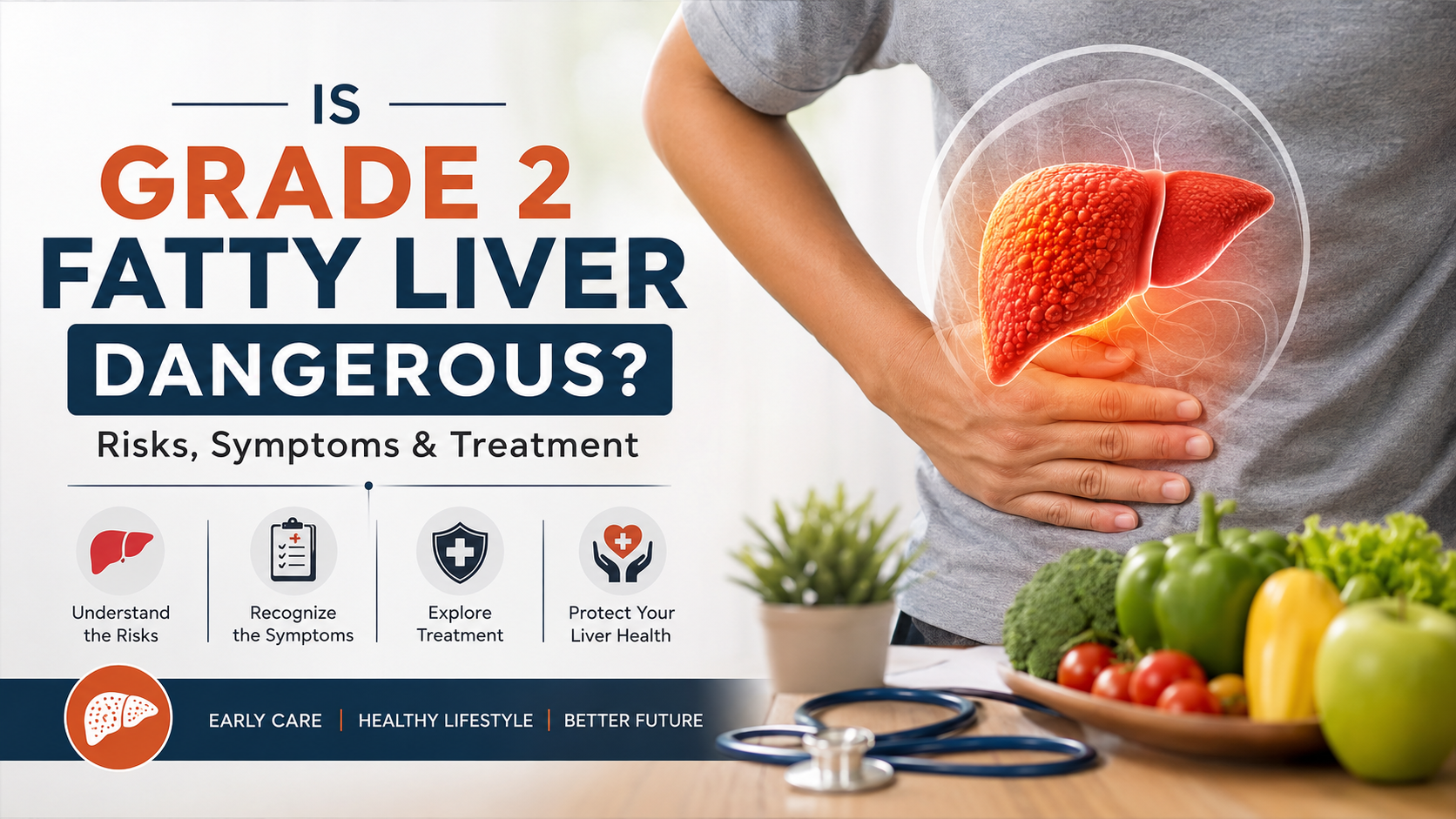
Is grade 2 fatty liver dangerous? This is a common concern after an ultrasound or liver scan reports moderate fatty infiltration of the liver. The good news is that grade 2 fatty liver does not automatically mean that your liver is permanently damaged or that you have cirrhosis. However, it should not be ignored.
Grade 2 fatty liver generally indicates a moderate amount of fat accumulation in the liver. The more important question is whether there is associated liver inflammation or fibrosis (scarring). Fat accumulation, inflammation and fibrosis are different aspects of fatty liver disease, and assessing fibrosis is particularly important when determining the long-term risk.
With appropriate medical evaluation and lifestyle changes, many people with fatty liver can significantly improve their liver health.
Fatty liver disease occurs when excessive fat accumulates inside liver cells. Today, metabolic dysfunction-associated steatotic liver disease (MASLD) is commonly used for fatty liver associated with metabolic risk factors such as obesity, insulin resistance, type 2 diabetes and abnormal blood lipids.
When an ultrasound describes fatty liver as grade 2, it generally means a moderate degree of fatty infiltration. In some clinical grading systems, grade 2 steatosis corresponds to approximately 33–66% of liver cells containing fat, although ultrasound grading and histological grading are not identical and should not be treated as interchangeable.
Importantly, grade 2 refers primarily to the amount of fat, not necessarily the amount of liver scarring.
This distinction matters because a person can have substantial liver fat without advanced fibrosis, while another person with less obvious fatty liver may already have significant fibrosis.
Grade 2 fatty liver can become serious if the underlying causes are not addressed, but it is not the same as cirrhosis.
Many people with fatty liver have few or no symptoms. Although many people have no noticeable symptoms, some may experience nonspecific symptoms such as fatigue or abdominal discomfort. Because fatty liver can remain silent, feeling well does not necessarily mean that the liver is completely healthy.
The concern arises when fatty liver is accompanied by ongoing inflammation and liver-cell injury. This condition, historically called NASH and now commonly referred to as MASH, can contribute to fibrosis. Progressive fibrosis can eventually lead to cirrhosis and other serious complications.
Therefore, the answer to “Is grade 2 fatty liver dangerous?” is:
It can be a warning sign that deserves medical attention, but grade 2 fatty liver itself does not mean that you have irreversible liver damage.
The next step is to determine whether there are additional risk factors and whether fibrosis is present.
Fatty liver is frequently associated with metabolic health problems. Common contributing factors include:
MASLD is particularly associated with cardiometabolic risk factors.
This is why treating fatty liver is not only about the liver itself. Blood sugar, cholesterol, body weight, blood pressure, diet and physical activity can all be relevant to the overall management plan.
One of the biggest challenges with fatty liver disease is that symptoms may be absent.
Some people may experience:
However, symptoms alone cannot determine how severe fatty liver disease is. NIDDK notes that fatty liver disease is often silent and may produce few or no symptoms.
This is why an ultrasound finding of grade 2 fatty liver should be discussed with a qualified gastroenterologist or hepatologist rather than simply being ignored.
Not necessarily.
This is one of the most important points to understand.
Steatosis means fat accumulation. Fibrosis means scar tissue formation. They are related but different processes.
A report showing grade 2 fatty liver does not, by itself, tell you the stage of fibrosis. Doctors may therefore use blood-based calculations and non-invasive tests to assess the likelihood of significant liver scarring. AASLD currently provides guidance on both blood-based and imaging-based non-invasive assessment of hepatic fibrosis and steatosis.
Depending on your medical history and test results, your doctor may consider:
The objective is not simply to measure how much fat is present. The key clinical question is whether the liver has developed significant inflammation or fibrosis.
It can, but not everyone with grade 2 fatty liver develops cirrhosis.
The progression generally involves a spectrum rather than an immediate jump from fatty liver to cirrhosis. In susceptible individuals, persistent liver injury may be associated with inflammation, fibrosis and eventually advanced fibrosis or cirrhosis. MASLD is recognized as a spectrum that can include steatosis, MASH, fibrosis, cirrhosis and, in some cases, liver cancer.
Cirrhosis occurs when extensive scar tissue permanently damages the liver and interferes with its normal function.
The risk of progression is influenced by several factors, including metabolic conditions and the presence and severity of fibrosis.
That is why identifying risk early is so important.
In many people, fat accumulation in the liver can improve significantly with appropriate lifestyle and medical management.
If you are overweight or have obesity, gradual and sustainable weight reduction can reduce liver fat. NIDDK notes that losing at least 3% to 5% of body weight may reduce liver fat in people with overweight or obesity.
Your doctor may recommend:
Focus on a balanced eating pattern containing vegetables, fruits in appropriate portions, whole grains, lean proteins and healthy fats.
Reducing excessive intake of:
can support better metabolic health.
Regular physical activity can help improve insulin sensitivity, body composition and metabolic health. A suitable exercise plan should be selected according to your age, fitness level and medical conditions.
If you have diabetes, prediabetes, high triglycerides or abnormal cholesterol, controlling these conditions is an important part of fatty liver management.
Alcohol can contribute to liver injury and may complicate the assessment and management of fatty liver disease. Your doctor can advise whether complete avoidance is appropriate based on your individual circumstances.
Regular medical follow-up can help determine whether the liver is improving and whether additional testing for fibrosis is needed.
You should consider consulting a gastroenterologist if an ultrasound has shown grade 2 fatty liver, particularly if you also have diabetes, obesity, abnormal liver enzymes, high triglycerides, high cholesterol or other metabolic risk factors.
A specialist can evaluate your overall risk rather than relying on the ultrasound grade alone.
Seek prompt medical attention if you develop symptoms such as yellowing of the eyes or skin, significant abdominal swelling, vomiting blood, black stools, severe confusion or unusual bleeding, as these can occur with advanced liver disease and require medical evaluation.
Grade 2 fatty liver indicates a moderate level of fat accumulation in the liver. It is not the same as cirrhosis and does not automatically mean permanent liver damage. However, it should not be ignored because some people can develop liver inflammation and fibrosis over time. The actual risk depends on factors such as diabetes, obesity, metabolic health and the presence of liver fibrosis.
In many cases, liver fat can be significantly reduced with appropriate lifestyle changes and medical management. Losing excess weight gradually, following a balanced diet, exercising regularly and managing conditions such as diabetes and high cholesterol can help improve liver health. The appropriate treatment varies from person to person.
Grade 2 generally indicates more fat accumulation than grade 1. However, the ultrasound grade alone does not tell you how much liver scarring is present. Someone with grade 2 fatty liver may have little or no fibrosis, while another person may have significant fibrosis. Therefore, assessing fibrosis is important when determining the severity of fatty liver disease.
Grade 2 fatty liver can progress to more advanced liver disease in some individuals, particularly when inflammation and fibrosis develop and the underlying causes remain uncontrolled. However, progression to cirrhosis does not happen to everyone with grade 2 fatty liver. Early evaluation and management can help reduce the risk of progression.
Many people with grade 2 fatty liver have no noticeable symptoms. Some may experience fatigue, low energy or discomfort in the upper-right portion of the abdomen. Abnormal liver enzymes may also be detected during blood tests. Because symptoms are often absent, an incidental ultrasound finding should still be discussed with a gastroenterologist.
Yes. A diagnosis of grade 2 fatty liver does not mean that you cannot lead a normal life. Many people manage fatty liver successfully by addressing the underlying causes and maintaining healthy lifestyle habits. Regular medical follow-up is particularly important if you have diabetes, obesity, abnormal cholesterol or other risk factors for liver disease.
Not everyone with grade 2 fatty liver needs a specific liver medicine. Treatment depends on the cause of the fatty liver, metabolic risk factors and whether inflammation or fibrosis is present. Your doctor may recommend lifestyle changes and treatment of associated conditions such as diabetes, high cholesterol or obesity. Do not start supplements or liver medicines without professional medical advice.
A FibroScan is not automatically required for everyone with grade 2 fatty liver. However, your gastroenterologist may recommend FibroScan or another non-invasive fibrosis assessment if your medical history, blood tests or other findings suggest a risk of liver scarring. The purpose is to determine whether fibrosis is present rather than simply measuring the amount of liver fat.
Fatty liver does not usually cause severe liver pain. Some people may experience mild discomfort or a feeling of heaviness in the upper-right abdomen, but this symptom is not specific to fatty liver. Persistent or significant abdominal pain should be evaluated because other digestive, gallbladder or liver conditions can cause similar symptoms.
There is no single food that causes or cures fatty liver. However, limiting sugary beverages, sweets, highly processed foods, excessive refined carbohydrates, fried foods and excess calories can support better metabolic health. A balanced diet based on vegetables, appropriate portions of fruit, whole grains, lean proteins and healthy fats may be more beneficial than following an extreme restrictive diet.
Yes. Regular physical activity can help improve metabolic health and reduce liver fat, even when significant weight loss has not occurred. A combination of aerobic activity and resistance exercise can be useful for many people. Your exercise routine should be appropriate for your age, fitness level and existing medical conditions.
You should consider consulting a gastroenterologist after being diagnosed with grade 2 fatty liver, particularly if you also have diabetes, obesity, high cholesterol, high triglycerides or abnormal liver tests. A specialist can assess the possible cause, review your blood tests and determine whether you need additional testing for liver fibrosis.
So, is grade 2 fatty liver dangerous? It can become a serious condition when associated with ongoing liver inflammation, fibrosis and uncontrolled metabolic risk factors. However, grade 2 fatty liver does not automatically mean cirrhosis or irreversible liver damage.
The ultrasound grade mainly describes the amount of fat seen in the liver. To understand your actual liver health, it is important to look beyond the grade and consider factors such as liver enzymes, blood sugar, cholesterol, body weight, medical history and, when appropriate, non-invasive fibrosis assessment.
If your ultrasound report has detected grade 2 fatty liver, don’t panic—but don’t ignore it either. Early medical evaluation and appropriate lifestyle changes can play an important role in protecting your liver health.
If you are concerned about fatty liver, consult a qualified gastroenterologist at LivGastro for an individualized evaluation and appropriate guidance.
Medical Disclaimer: This article is intended for general educational purposes only and should not replace professional medical advice, diagnosis or treatment. The appropriate evaluation and treatment of fatty liver disease varies from person to person.
We are committed to the prevention, diagnosis and treatment of diseases of the digestive tract and liver. We provide complete day care services related to gastro and liver diseases such as doctor consultation, pathology, radiology, endoscopy, diet and nutrition, pharmacy and alternative medicine under one roof.
© 2026 | LivGastro | All Rights Reserved | Designed and Developed by KlickChamp
WhatsApp us