
Jaundice: Symptoms, Causes, Diagnosis, and When to Consult a Specialist
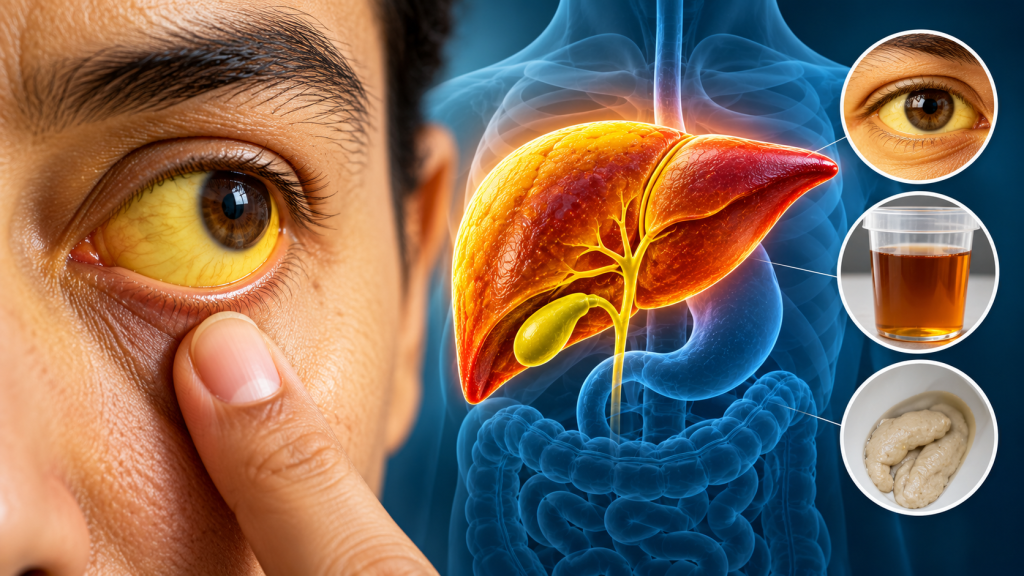
Have you noticed yellowing of your eyes or skin, unusually dark urine, or persistent tiredness? These changes may indicate jaundice, a condition that occurs when bilirubin accumulates in the body. Although jaundice is often associated with liver problems, it can also develop because of blood disorders, infections, or blockages in the bile ducts. Understanding the symptoms and causes of jaundice is essential for identifying potential health concerns and seeking appropriate medical care. While some underlying conditions are treatable, jaundice can occasionally indicate a serious medical problem that requires prompt evaluation. At LivGastro, we believe that understanding your digestive and liver health helps you make informed decisions about your well-being. This guide explains what jaundice means, its common warning signs, possible causes, diagnostic tests, and available treatment approaches. What Is Jaundice? Jaundice is a medical sign characterised by yellowing of the skin, the whites of the eyes, and sometimes the inside of the mouth. It develops when a yellow pigment called bilirubin builds up in the bloodstream. Bilirubin forms naturally when the body breaks down old red blood cells. Normally, the liver processes bilirubin and helps eliminate it through bile and the digestive system. When bilirubin production increases, the liver cannot process it properly, or bile flow becomes obstructed, bilirubin levels may rise. Jaundice is not a disease in itself. Instead, it is a sign that an underlying condition may need medical investigation. The seriousness of jaundice depends on its cause, the person’s age, associated symptoms, and overall health. What Are the Common Symptoms of Jaundice? Recognising the early symptoms of jaundice can help people seek medical assessment without unnecessary delay. The symptoms may vary depending on the underlying condition. Common warning signs include: Yellow eyes and skin: One of the most recognisable signs of elevated bilirubin. Dark urine: Urine may appear unusually dark brown or tea-coloured. Pale or clay-coloured stools: Reduced bile pigment reaching the intestines can make stools appear lighter than usual. Persistent fatigue: Some underlying liver conditions may cause weakness or low energy. Itchy skin: Bilirubin-related disorders and bile flow problems can cause itching. Loss of appetite: People may experience reduced interest in food. Nausea and vomiting: These symptoms can occur with certain infections or liver conditions. Abdominal discomfort: Pain, particularly in the upper-right abdomen, may accompany some causes of jaundice. Not everyone experiences all these symptoms. Some people may initially notice only a change in eye colour or urine. Important: New yellowing of the eyes or skin in an adult should be medically evaluated promptly. Severe abdominal pain, fever with jaundice, confusion, unusual drowsiness, or vomiting blood requires urgent medical attention. What Causes Jaundice? The causes of jaundice can be broadly understood by examining where bilirubin processing becomes disrupted. The problem may occur before bilirubin reaches the liver, within the liver itself, or after the liver has processed it. 1. Viral Hepatitis Viral hepatitis is an infection that causes inflammation of the liver. Hepatitis A, B, C, D, and E differ in how they spread and the type of illness they can cause. Some hepatitis infections can interfere with the liver’s ability to process bilirubin, resulting in jaundice. Depending on the virus and the individual circumstances, the illness may also cause fatigue, nausea, abdominal discomfort, and loss of appetite. Testing is necessary to identify the infection and determine the appropriate treatment. 2. Fatty Liver Disease and Cirrhosis Fatty liver disease occurs when excess fat accumulates in liver cells. Many people with fatty liver do not develop jaundice, particularly in the early stages. However, advanced liver disease, including liver cirrhosis, can impair normal liver function and lead to elevated bilirubin levels. Cirrhosis involves significant scarring of the liver and may develop after prolonged liver injury from different causes. Jaundice in someone with known liver disease should not be ignored, as it may indicate worsening liver function or another complication. 3. Gallstones and Bile Duct Obstruction Bile carries bilirubin and other substances from the liver towards the digestive tract. When a gallstone blocks a bile duct, bilirubin may accumulate in the bloodstream. This type of obstruction can cause yellow eyes, dark urine, pale stools, and itching. Some people also experience pain in the upper-right abdomen. Depending on the underlying cause, treatment may involve removing the obstruction through an appropriate medical or endoscopic procedure. 4. Alcohol-Related Liver Disease Excessive alcohol consumption can damage liver cells and contribute to inflammation, scarring, and impaired liver function. In more advanced cases, alcohol-related liver disease may cause jaundice alongside fatigue, abdominal swelling, or other signs of liver dysfunction. Treatment depends on the severity of the condition and may include complete alcohol avoidance, medical supervision, nutritional support, and management of complications. 5. Blood Disorders Bilirubin production may increase when red blood cells break down faster than normal. This process is called haemolysis. Certain forms of haemolytic anaemia and other blood disorders can therefore cause jaundice even when the primary problem is not within the liver. Doctors may recommend blood tests to determine whether excessive red blood cell breakdown is contributing to elevated bilirubin. 6. Medicines and Other Medical Conditions Some medicines and supplements can cause liver injury or interfere with bile flow. Certain genetic conditions, including Gilbert syndrome, can also increase bilirubin levels. Less commonly, a tumour involving the liver, pancreas, or bile ducts may obstruct bile flow or affect liver function. Because these causes require different approaches, it is important to establish the underlying diagnosis rather than assuming that all jaundice is caused by hepatitis or fatty liver. What Are the Different Types of Jaundice? Doctors may classify jaundice into three broad categories according to where the problem occurs. Pre-hepatic jaundice: This develops when red blood cells break down excessively, producing more bilirubin than the liver can process efficiently. Hepatic jaundice: This occurs when liver cells cannot process or transport bilirubin normally. Causes may include hepatitis, certain medicines, and advanced liver disease. Post-hepatic jaundice: Also called obstructive jaundice, this occurs when bile cannot flow normally through the bile ducts. Gallstones and certain growths