
Irritable Bowel Syndrome (IBS): Symptoms, Causes, Diagnosis, and Treatment
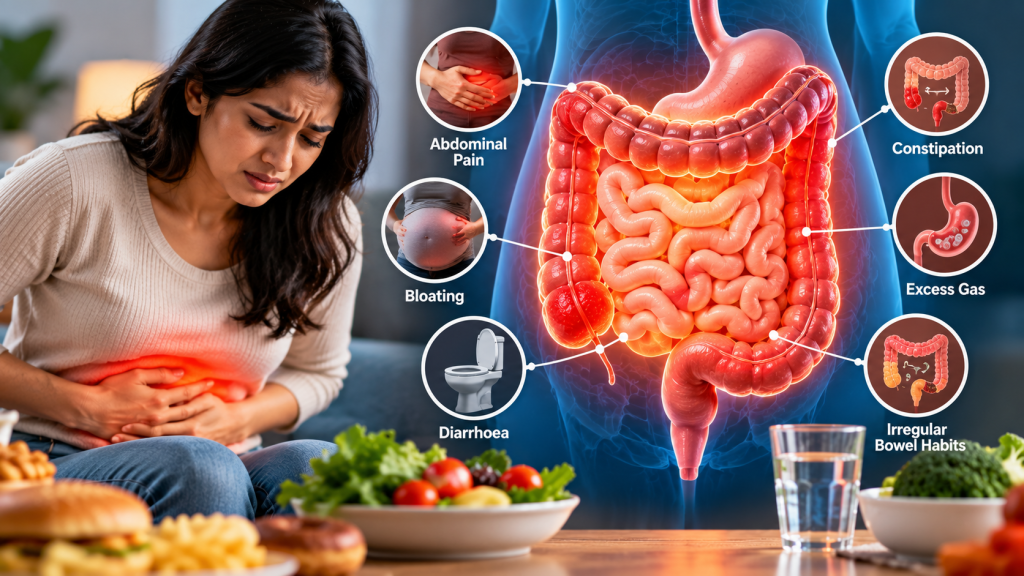
Digestive problems such as abdominal pain, bloating, constipation, and diarrhoea can make everyday life uncomfortable. When these symptoms keep returning without an obvious explanation, they may be associated with irritable bowel syndrome (IBS), a common digestive disorder that affects how the intestines function. People living with IBS may experience symptoms after meals, during stressful situations, or at seemingly unpredictable times. Although the condition can be frustrating, understanding its triggers and available treatment options can help people manage symptoms and improve their quality of life. In this guide, LivGastro explores what irritable bowel syndrome is, its possible causes, common symptoms, diagnostic approaches, treatment options, and lifestyle changes that may help support digestive health. What Is Irritable Bowel Syndrome? Irritable bowel syndrome (IBS) is a disorder of gut-brain interaction that affects the functioning of the digestive system, particularly the intestines. It can cause recurring abdominal pain associated with changes in bowel habits, including constipation, diarrhoea, or a combination of both. Unlike inflammatory bowel diseases such as Crohn’s disease and ulcerative colitis, IBS does not typically cause visible intestinal inflammation or permanent structural damage. However, this does not mean that the symptoms are imaginary. People with IBS can experience genuine discomfort because the communication between the brain and digestive system, intestinal movement, and sensitivity to normal digestive activity may be altered. The severity of IBS symptoms varies from person to person. Some individuals experience occasional discomfort, while others have symptoms that interfere with work, sleep, travel, and social activities. Although IBS is generally a long-term condition, many people can manage it successfully with an appropriate combination of dietary adjustments, lifestyle changes, and medical treatment. What Are the Common Symptoms of Irritable Bowel Syndrome? The symptoms of irritable bowel syndrome can vary in frequency and intensity. They may improve for a period and return later, sometimes in response to particular foods, stress, or changes in routine. Common symptoms include: 1. Abdominal Pain and Cramping Recurring abdominal pain is one of the main features of IBS. The discomfort may occur in different parts of the abdomen and can sometimes improve after passing stool. The intensity may range from mild discomfort to more disruptive cramping. 2. Bloating and Excess Gas People with IBS frequently report a sensation of abdominal fullness, pressure, or swelling. Some also experience excessive gas or discomfort after meals. Bloating can be influenced by intestinal sensitivity, bowel movements, dietary triggers, and other digestive factors. 3. Constipation Some individuals experience hard stools, infrequent bowel movements, or difficulty passing stool. This pattern is commonly associated with IBS-C, the constipation-predominant form of irritable bowel syndrome. 4. Diarrhoea Others experience frequent loose stools, urgency, or repeated trips to the bathroom. This pattern is known as IBS-D, or diarrhoea-predominant irritable bowel syndrome. 5. Alternating Constipation and Diarrhoea Some people switch between constipation and diarrhoea. This pattern is commonly referred to as IBS-M, or mixed-type irritable bowel syndrome. 6. A Feeling of Incomplete Bowel Emptying Even after passing stool, a person may feel that the bowel has not emptied completely. This sensation can occur alongside constipation, abdominal discomfort, or other IBS symptoms. It is important to remember that these symptoms are not exclusive to IBS. Persistent symptoms should be evaluated to determine whether another digestive condition could be responsible. What Causes Irritable Bowel Syndrome? There is no single cause of irritable bowel syndrome. Research suggests that several biological, digestive, and environmental factors may contribute to its development. 1. Altered Gut-Brain Communication The digestive system and brain communicate through nerves, hormones, and other signalling pathways. Changes in this communication can influence intestinal movement and how digestive sensations are perceived. In people with IBS, normal intestinal activity may sometimes produce heightened discomfort or pain. 2. Increased Intestinal Sensitivity Some individuals with IBS have increased sensitivity to stretching or pressure inside the intestines. Even ordinary amounts of gas or stool may trigger noticeable pain or discomfort. This sensitivity is one reason symptoms can occur without visible intestinal damage. 3. Changes in Bowel Movement Patterns Intestinal muscles help move food and waste through the digestive tract. If these movements become too rapid, diarrhoea may occur. If they become too slow, constipation may develop. These changes can contribute to the different patterns of irritable bowel syndrome. 4. Previous Gastrointestinal Infections Some people develop IBS symptoms after experiencing an intestinal infection caused by bacteria or other microorganisms. This is known as post-infectious IBS. Symptoms may persist even after the original infection has resolved. 5. Stress and Emotional Factors Stress does not mean that IBS is purely psychological. However, stress can affect gut-brain communication and may worsen abdominal pain, bowel irregularity, or bloating in susceptible individuals. Learning to manage stress may therefore be a useful part of a broader treatment plan. 6. Food-Related Triggers Certain foods can aggravate symptoms in some people. Common examples include particular dairy products, large meals, caffeine, alcohol, and foods containing fermentable carbohydrates known as FODMAPs. Food triggers differ between individuals, so identifying personal patterns is generally more useful than eliminating numerous foods without guidance. What Are the Different Types of IBS? Doctors may classify irritable bowel syndrome according to the predominant bowel pattern. This classification helps guide treatment. IBS-C (constipation-predominant): Constipation and hard stools are the main bowel symptoms. IBS-D (diarrhoea-predominant): Loose stools and diarrhoea occur more frequently. IBS-M (mixed type): Both constipation and diarrhoea occur at different times. Some people do not fit neatly into one category, and their symptoms may change over time. Knowing the predominant pattern can help a gastroenterologist select suitable dietary recommendations and treatment options. How Is Irritable Bowel Syndrome Diagnosed? There is no single blood test or scan that confirms every case of IBS. Diagnosis generally involves reviewing symptoms, medical history, and physical examination findings while checking whether other conditions need to be investigated. Medical History and Symptom Assessment A doctor may ask about abdominal pain, bowel habits, symptom duration, dietary patterns, medications, and family history. IBS is commonly diagnosed using established symptom-based criteria, such as the Rome IV criteria, when the clinical pattern