
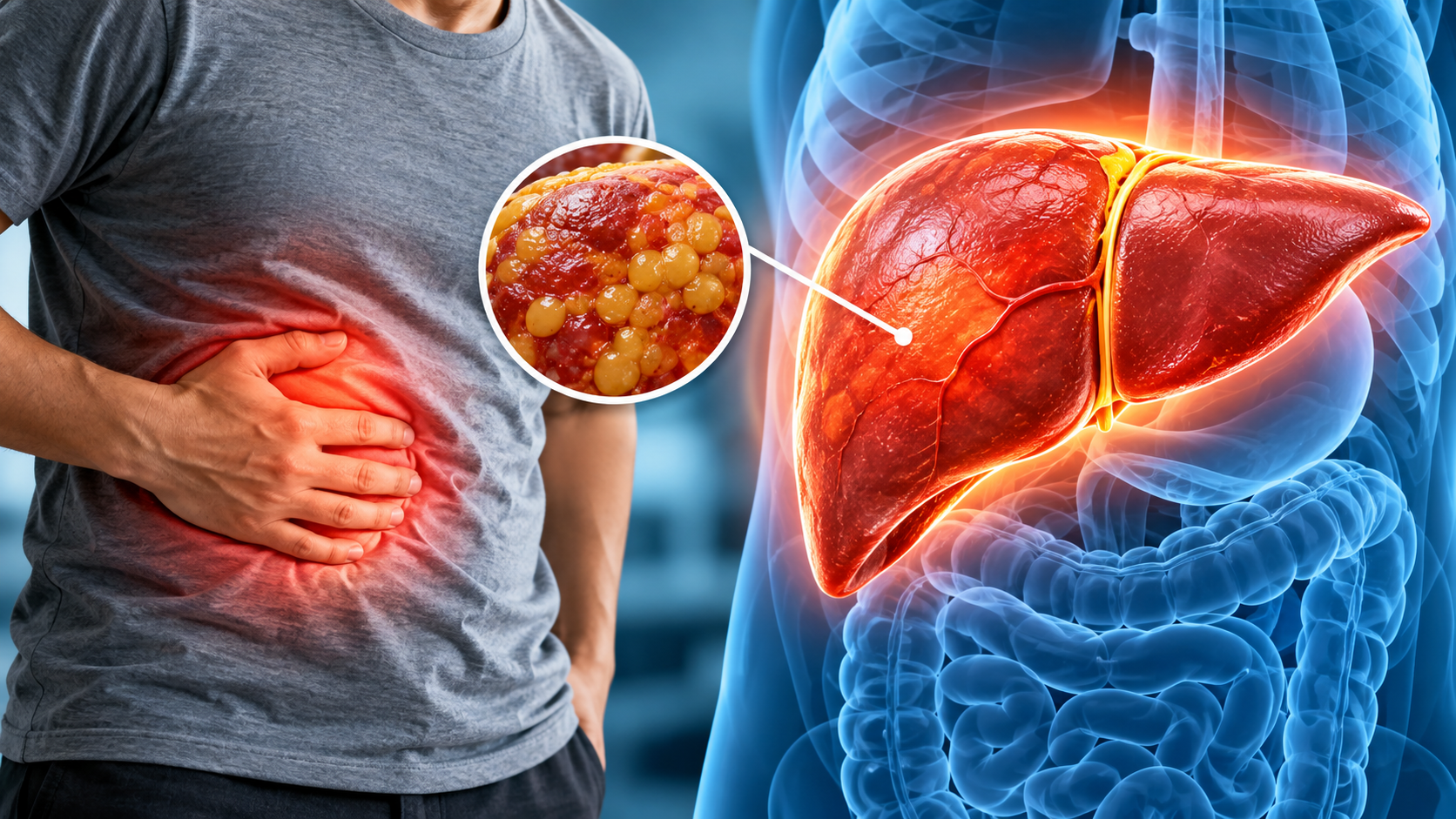
An enlarged liver, medically known as hepatomegaly, is not a disease by itself. Instead, it is usually a sign that something is affecting the liver or another part of the body. In some cases, an enlarged liver may be temporary and treatable. In others, it can indicate an underlying condition that requires timely medical attention.
So, is an enlarged liver dangerous? The answer depends largely on why the liver has become enlarged, how long the enlargement has been present, and whether there is associated liver damage. Conditions ranging from fatty liver and viral hepatitis to alcohol-related liver disease, heart problems and, less commonly, tumors can cause hepatomegaly.
If an ultrasound or other scan has shown that your liver is enlarged, it is important not to panic—but it should not simply be ignored either.
What Does an Enlarged Liver Mean?
The liver is a vital organ located primarily in the upper-right part of the abdomen. It performs numerous functions, including processing nutrients, helping regulate metabolism, producing important proteins and helping remove waste products from the body.
When the liver becomes larger than expected, the condition is called hepatomegaly.
An enlarged liver can develop because of inflammation, excess fat accumulation, congestion of blood within the liver, certain infections, or abnormal growths. The size of a normal liver can also vary depending on factors such as age, sex and body size, so an imaging report should always be interpreted in the appropriate clinical context. Importantly, liver enlargement does not automatically mean liver failure or cancer. The underlying cause needs to be identified before the seriousness of the condition can be determined.
Is an Enlarged Liver Dangerous?
An enlarged liver can be concerning, but its seriousness varies considerably from person to person.
For example, liver enlargement caused by a manageable condition may improve once the underlying problem is addressed. On the other hand, hepatomegaly associated with progressive liver disease may indicate ongoing inflammation or damage that could eventually lead to complications.
Some chronic liver conditions can progress to fibrosis and cirrhosis, while advanced liver disease can impair the liver’s ability to perform its essential functions. Therefore, the more useful question is not simply “Is an enlarged liver dangerous?”, but rather:
“What is causing my liver to be enlarged, and is there any evidence of liver damage?”
That is why medical evaluation is important after hepatomegaly is detected.
What Causes an Enlarged Liver?
There are several possible causes of an enlarged liver. Some are relatively common, while others require more extensive investigation.
1. Fatty Liver Disease
One of the common reasons for liver enlargement is the accumulation of excess fat within liver cells. Metabolic dysfunction-associated steatotic liver disease (MASLD), previously called non-alcoholic fatty liver disease (NAFLD), can cause the liver to become enlarged.
In some individuals, fatty liver can progress to metabolic dysfunction-associated steatohepatitis (MASH), where inflammation and liver injury occur. Persistent liver injury may eventually contribute to fibrosis and cirrhosis.
- Alcohol-Related Liver Disease
Regular or excessive alcohol consumption can damage liver cells and cause inflammation. Alcohol-related hepatitis and other alcohol-associated liver conditions may result in an enlarged liver.
The degree of risk depends on factors such as the amount and duration of alcohol exposure and individual susceptibility.
3. Viral Hepatitis
Hepatitis viruses, including hepatitis A, B and C, can cause inflammation of the liver. Depending on the type and duration of infection, hepatitis can lead to liver enlargement and, in chronic cases, progressive liver damage.
- Heart-Related Conditions
Liver enlargement is not always caused by a primary liver disorder. Certain heart conditions can cause blood to back up in the veins connected to the liver, resulting in congestion and enlargement.
This is one reason doctors consider a person’s overall health rather than examining the liver in isolation.
5. Liver Cysts or Tumors
Benign liver cysts and noncancerous growths can sometimes affect the appearance or size of the liver. In less common situations, liver cancer or cancer that has spread to the liver may also be associated with hepatomegaly.
- Certain Genetic or Metabolic Disorders
Conditions such as hemochromatosis and Wilson’s disease can cause abnormal substances to accumulate in the liver and potentially result in liver enlargement. These conditions are less common but may require specialist evaluation.
What Are the Symptoms of an Enlarged Liver?
Interestingly, an enlarged liver may cause no noticeable symptoms at all. It may be discovered incidentally during a routine abdominal ultrasound or physical examination.
When symptoms do occur, they can include:
- Discomfort or pain in the upper-right abdomen
- A feeling of fullness or bloating
- Fatigue
- Nausea or vomiting
- Reduced appetite
- Jaundice, causing yellowing of the skin or eyes
The symptoms can vary depending on the underlying cause and whether there is associated liver dysfunction.Symptoms such as persistent abdominal swelling, significant weakness, jaundice, confusion or severe abdominal pain deserve prompt medical assessment.
How Is an Enlarged Liver Diagnosed?
Finding the cause of hepatomegaly generally involves more than simply measuring liver size.
A gastroenterologist or hepatologist may begin with your medical history and a physical examination. After the initial evaluation, your doctor may recommend further tests to determine the underlying cause of liver enlargement.
Blood Tests
Liver blood tests can help assess liver injury and function. Doctors may evaluate enzymes such as ALT, AST, ALP and GGT, along with other blood parameters depending on the suspected cause. Tests for viral hepatitis or specific metabolic conditions may also be recommended.
Ultrasound
Doctors often recommend an abdominal ultrasound to examine the liver’s size, structure, and overall appearance. It can provide information about liver size, texture and the presence of abnormalities such as fatty changes or certain focal lesions.
CT or MRI
When more detailed imaging is necessary, CT or MRI may be recommended. These tests can provide additional information about the liver and surrounding structures.
FibroScan or Elastography
Depending on the clinical situation, non-invasive tests that assess liver stiffness may help determine whether fibrosis or scarring is present.
Liver Biopsy
A liver biopsy is not necessary for every person with an enlarged liver. However, in selected cases, examining a small tissue sample can help clarify the cause or severity of liver disease.
Can an Enlarged Liver Be Cured?
There is no single medicine that treats hepatomegaly itself because an enlarged liver is a finding rather than one specific disease.
Treatment focuses on the underlying cause.
For example, management may involve:
- Improving diet and physical activity when metabolic liver disease is involved
- Achieving an appropriate healthy weight
- Avoiding alcohol when it is contributing to liver injury
- Treating viral hepatitis when indicated
- Managing diabetes, cholesterol and other metabolic risk factors
- Reviewing potentially harmful medicines or supplements with a doctor
- Treating underlying heart or other systemic conditions
- Providing specialist treatment when a structural abnormality or tumor is identified
The liver can have a remarkable capacity to recover when the underlying cause is identified and addressed early. However, established advanced scarring may not always be completely reversible.
When Should You See a Gastroenterologist?
If an ultrasound, CT scan or physical examination has identified an enlarged liver, discussing the finding with a qualified gastroenterologist or hepatologist is advisable.
You should seek medical attention particularly if liver enlargement is accompanied by:
- Yellow eyes or skin
- Persistent or worsening abdominal pain
- Unexplained weight loss
- Significant fatigue
- Abdominal or leg swelling
- Persistent nausea or vomiting
- Dark urine or unusually pale stools
- Confusion or unusual drowsiness
- Persistent fever
These symptoms do not necessarily mean that a serious disease is present, but they warrant appropriate evaluation.
Can Lifestyle Changes Help Protect the Liver?
Lifestyle habits can play an important role in maintaining liver health, particularly when metabolic or alcohol-related liver disease is involved.
A balanced diet rich in vegetables, fruits, whole grains and appropriate sources of protein can support overall health. Regular physical activity and maintaining a healthy weight are also important.
People should also avoid taking medicines, vitamins or herbal supplements in higher-than-recommended amounts without professional advice, as some substances can cause liver injury.
However, lifestyle changes should complement—not replace—medical evaluation when hepatomegaly has already been identified.
Final Takeaway: Is an Enlarged Liver Dangerous?
An enlarged liver can be dangerous depending on its underlying cause, but hepatomegaly does not automatically mean that you have severe liver disease.
It may occur because of fatty liver, hepatitis, alcohol-related liver injury, blood-flow problems, infections, cysts, tumors or other conditions. Some causes are reversible, while others require long-term monitoring and treatment.
The most important step is to determine why the liver is enlarged and whether there is liver inflammation, fibrosis or impaired function. Blood tests and appropriate imaging can help doctors make that assessment.
If your scan has reported an enlarged liver, don’t rely solely on the measurement in the report. Discuss the result with a gastroenterologist who can interpret it alongside your symptoms, medical history, blood tests and imaging findings.
Early evaluation can help identify treatable liver conditions before they progress.
1. Is an enlarged liver always a serious problem?
No. An enlarged liver can have several causes, and the seriousness depends on the underlying condition. However, it should be medically evaluated rather than ignored.
2. Can fatty liver cause an enlarged liver?
Yes. Fat accumulation and inflammation associated with fatty liver disease can cause hepatomegaly.
3. Can an enlarged liver return to normal size?
In some cases, yes. When the underlying cause is treatable and significant permanent damage has not occurred, liver enlargement may improve after appropriate management.
4. Does an enlarged liver mean cancer?
No. Cancer is only one of many possible causes. Fatty liver, hepatitis, alcohol-related disease and other conditions can also cause hepatomegaly.
5. Which doctor should I consult for an enlarged liver?
A gastroenterologist or hepatologist can evaluate an enlarged liver, determine the underlying cause and recommend appropriate investigations and treatment.