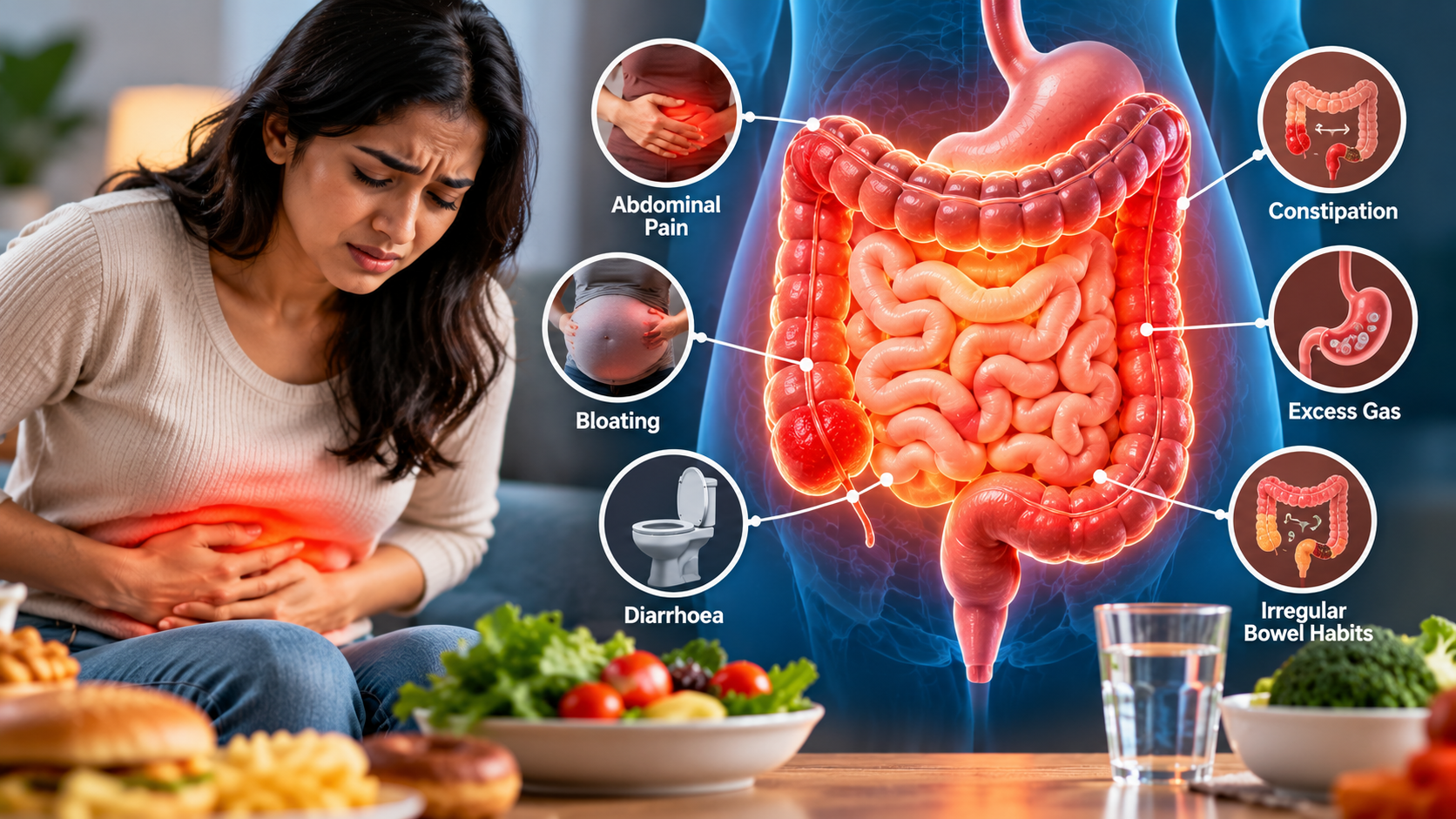
Digestive problems such as abdominal pain, bloating, constipation, and diarrhoea can make everyday life uncomfortable. When these symptoms keep returning without an obvious explanation, they may be associated with irritable bowel syndrome (IBS), a common digestive disorder that affects how the intestines function.
People living with IBS may experience symptoms after meals, during stressful situations, or at seemingly unpredictable times. Although the condition can be frustrating, understanding its triggers and available treatment options can help people manage symptoms and improve their quality of life.
In this guide, LivGastro explores what irritable bowel syndrome is, its possible causes, common symptoms, diagnostic approaches, treatment options, and lifestyle changes that may help support digestive health.
Irritable bowel syndrome (IBS) is a disorder of gut-brain interaction that affects the functioning of the digestive system, particularly the intestines. It can cause recurring abdominal pain associated with changes in bowel habits, including constipation, diarrhoea, or a combination of both.
Unlike inflammatory bowel diseases such as Crohn’s disease and ulcerative colitis, IBS does not typically cause visible intestinal inflammation or permanent structural damage.
However, this does not mean that the symptoms are imaginary. People with IBS can experience genuine discomfort because the communication between the brain and digestive system, intestinal movement, and sensitivity to normal digestive activity may be altered.
The severity of IBS symptoms varies from person to person. Some individuals experience occasional discomfort, while others have symptoms that interfere with work, sleep, travel, and social activities.
Although IBS is generally a long-term condition, many people can manage it successfully with an appropriate combination of dietary adjustments, lifestyle changes, and medical treatment.
The symptoms of irritable bowel syndrome can vary in frequency and intensity. They may improve for a period and return later, sometimes in response to particular foods, stress, or changes in routine.
Common symptoms include:
Recurring abdominal pain is one of the main features of IBS. The discomfort may occur in different parts of the abdomen and can sometimes improve after passing stool.
The intensity may range from mild discomfort to more disruptive cramping.
People with IBS frequently report a sensation of abdominal fullness, pressure, or swelling. Some also experience excessive gas or discomfort after meals.
Bloating can be influenced by intestinal sensitivity, bowel movements, dietary triggers, and other digestive factors.
Some individuals experience hard stools, infrequent bowel movements, or difficulty passing stool. This pattern is commonly associated with IBS-C, the constipation-predominant form of irritable bowel syndrome.
Others experience frequent loose stools, urgency, or repeated trips to the bathroom. This pattern is known as IBS-D, or diarrhoea-predominant irritable bowel syndrome.
Some people switch between constipation and diarrhoea. This pattern is commonly referred to as IBS-M, or mixed-type irritable bowel syndrome.
Even after passing stool, a person may feel that the bowel has not emptied completely. This sensation can occur alongside constipation, abdominal discomfort, or other IBS symptoms.
It is important to remember that these symptoms are not exclusive to IBS. Persistent symptoms should be evaluated to determine whether another digestive condition could be responsible.
There is no single cause of irritable bowel syndrome. Research suggests that several biological, digestive, and environmental factors may contribute to its development.
The digestive system and brain communicate through nerves, hormones, and other signalling pathways. Changes in this communication can influence intestinal movement and how digestive sensations are perceived.
In people with IBS, normal intestinal activity may sometimes produce heightened discomfort or pain.
Some individuals with IBS have increased sensitivity to stretching or pressure inside the intestines. Even ordinary amounts of gas or stool may trigger noticeable pain or discomfort.
This sensitivity is one reason symptoms can occur without visible intestinal damage.
Intestinal muscles help move food and waste through the digestive tract. If these movements become too rapid, diarrhoea may occur. If they become too slow, constipation may develop.
These changes can contribute to the different patterns of irritable bowel syndrome.
Some people develop IBS symptoms after experiencing an intestinal infection caused by bacteria or other microorganisms. This is known as post-infectious IBS.
Symptoms may persist even after the original infection has resolved.
Stress does not mean that IBS is purely psychological. However, stress can affect gut-brain communication and may worsen abdominal pain, bowel irregularity, or bloating in susceptible individuals.
Learning to manage stress may therefore be a useful part of a broader treatment plan.
Certain foods can aggravate symptoms in some people. Common examples include particular dairy products, large meals, caffeine, alcohol, and foods containing fermentable carbohydrates known as FODMAPs.
Food triggers differ between individuals, so identifying personal patterns is generally more useful than eliminating numerous foods without guidance.
Doctors may classify irritable bowel syndrome according to the predominant bowel pattern. This classification helps guide treatment.
Some people do not fit neatly into one category, and their symptoms may change over time.
Knowing the predominant pattern can help a gastroenterologist select suitable dietary recommendations and treatment options.
There is no single blood test or scan that confirms every case of IBS. Diagnosis generally involves reviewing symptoms, medical history, and physical examination findings while checking whether other conditions need to be investigated.
A doctor may ask about abdominal pain, bowel habits, symptom duration, dietary patterns, medications, and family history.
IBS is commonly diagnosed using established symptom-based criteria, such as the Rome IV criteria, when the clinical pattern is appropriate and other concerning conditions are not suspected.
Depending on the symptoms, blood tests may help assess anaemia, inflammation, or other possible causes of digestive problems.
Stool investigations may be recommended when infection, intestinal inflammation, or another bowel disorder is suspected.
Depending on age, symptoms, medical history, and risk factors, a doctor may recommend tests for conditions such as coeliac disease or inflammatory bowel disease. A colonoscopy may be appropriate in selected cases, including when alarm symptoms or routine screening requirements are present.
Not everyone with suspected IBS needs a colonoscopy or extensive testing. The diagnostic approach should be individualised by a qualified healthcare professional.
Do not assume that all digestive symptoms are caused by IBS. Seek medical assessment if you experience:
Severe abdominal pain, significant gastrointestinal bleeding, fainting, or signs of dehydration may require urgent medical care.
There is no single treatment that works for everyone with irritable bowel syndrome. Management usually focuses on reducing the most troublesome symptoms and improving everyday functioning.
Food-related changes may help reduce bloating, gas, constipation, or diarrhoea.
Depending on individual symptoms, a doctor or dietitian may recommend:
A low-FODMAP diet may help selected people with IBS. It involves temporarily reducing certain fermentable carbohydrates, followed by a structured reintroduction process to identify personal tolerances.
This diet is best undertaken with guidance from a qualified dietitian, as long-term unnecessary restriction can reduce dietary variety and nutritional adequacy.
Medication depends on the predominant symptoms and the individual’s medical history.
A healthcare professional may consider:
Not every medicine is suitable for every patient. Treatment should be chosen with a clinician rather than through repeated self-medication.
Regular physical activity can support general health and may help some people manage bowel symptoms.
Walking, cycling, swimming, or other activities suited to your fitness level can be useful starting points.
Consistency is generally more helpful than suddenly beginning an intense exercise routine.
Because gut-brain communication can influence IBS symptoms, stress-management strategies may form part of treatment.
Options include relaxation exercises, breathing techniques, mindfulness, and maintaining a regular sleep schedule.
For people with persistent symptoms, gut-directed psychological therapies or cognitive behavioural therapy may also be considered as part of comprehensive care.
If symptoms continue despite initial measures, a gastroenterologist can reassess the diagnosis and discuss other treatment options.
Keeping a simple record of meals, bowel habits, symptoms, and possible triggers may help identify patterns during follow-up appointments.
The goal is to create a sustainable plan that improves comfort without imposing unnecessary restrictions.
There is no universal IBS diet because individual food tolerances differ.
However, a structured approach may help you understand which foods are associated with your symptoms.
Depending on individual tolerance, options may include:
These foods are examples, not a mandatory diet. Some people may tolerate other foods well.
Potential triggers can include:
Not everyone needs to avoid these foods. It is generally better to identify repeatable personal triggers than to eliminate entire food groups unnecessarily.
If symptoms are persistent, a dietitian can help develop a nutritionally balanced eating plan.
Irritable bowel syndrome is often a long-term condition, and there is currently no single cure that guarantees permanent symptom elimination for everyone.
However, many people can achieve meaningful symptom improvement through personalised dietary changes, appropriate medication, physical activity, and stress-management strategies.
Symptoms may fluctuate, with periods of improvement followed by occasional flare-ups. Treatment can be adjusted over time according to the person’s needs.
A diagnosis of IBS does not automatically indicate progressive intestinal damage. However, new symptoms or significant changes in an established symptom pattern should be reviewed by a healthcare professional rather than automatically attributed to IBS.
Consider consulting a gastroenterologist if you experience recurring abdominal pain, persistent bloating, unexplained bowel changes, constipation, diarrhoea, or symptoms that interfere with everyday activities.
A specialist can review your symptoms, determine whether they fit the pattern of IBS, assess whether other investigations are needed, and discuss appropriate management.
At LivGastro, our focus is on digestive and liver health education and helping patients understand when professional evaluation may be appropriate.
If you are experiencing persistent digestive problems, avoid relying exclusively on online advice or unverified remedies. An individualised medical assessment can help clarify the possible cause and guide the next steps.
Irritable bowel syndrome (IBS) is a common digestive condition that can cause recurring abdominal pain, bloating, constipation, and diarrhoea. Although its symptoms may be disruptive, understanding personal triggers and following an appropriate management plan can help improve quality of life.
The condition may involve changes in gut-brain communication, intestinal sensitivity, bowel movements, and responses to certain foods or stress. Diagnosis relies on a careful assessment of symptoms and selective testing when necessary.
Treatment may include dietary adjustments, medicines, physical activity, and stress-management techniques. Because IBS affects people differently, a personalised approach is often more effective than following a restrictive diet or treatment plan without guidance.
If digestive symptoms persist or warning signs develop, consult a qualified healthcare professional for appropriate evaluation.
Medical disclaimer: This article is intended for general educational purposes only. It does not replace professional medical advice, diagnosis, or treatment. Always consult a qualified healthcare professional about your individual symptoms.
There is no single established cause of irritable bowel syndrome. It is associated with several factors, including altered gut-brain communication, intestinal sensitivity, changes in bowel movements, previous gastrointestinal infections, and individual responses to food or stress.
The most common IBS symptoms include recurring abdominal pain, bloating, constipation, diarrhoea, and changes in bowel habits. Some people experience a combination of constipation and diarrhoea. Symptoms vary in severity and may fluctuate over time.
Food triggers vary from person to person. Some people find that particular high-FODMAP foods, lactose, excess caffeine, alcohol, or large meals worsen their symptoms. A food and symptom diary can help identify patterns. Consult a qualified dietitian before starting a restrictive diet.
There is no guaranteed permanent cure for IBS, but many people can manage symptoms effectively. Personalised dietary changes, appropriate medication, physical activity, and stress-management strategies may help reduce symptom frequency and improve daily life.
Consult a healthcare professional if abdominal pain, bloating, constipation, or diarrhoea persists or affects daily activities. Seek medical assessment for blood in the stool, unexplained weight loss, fever, anaemia, or symptoms that wake you from sleep. Severe pain or significant bleeding may require urgent care.
We are committed to the prevention, diagnosis and treatment of diseases of the digestive tract and liver. We provide complete day care services related to gastro and liver diseases such as doctor consultation, pathology, radiology, endoscopy, diet and nutrition, pharmacy and alternative medicine under one roof.
© 2026 | LivGastro | All Rights Reserved | Designed and Developed by KlickChamp
WhatsApp us
